The service is a versatile non-custodial digital wallet primarily designed for the management of cryptocurrencies and NFTs across multiple blockchain networks. It consolidates multiple chains into one wallet, facilitating seamless transactions, token swaps, staking, and NFT management. This payment method features a self-custodial design, meaning users retain full control of their funds, enhancing security by eliminating third-party access. It prioritizes privacy, requiring no personal information such as names, emails, or phone numbers for use. The provider also includes real-time scam detection and integration with hardware wallets for additional security.

This article offers a thorough examination of the company’s operational structure, technical infrastructure, financial operations, user experience, and security mechanisms for stakeholders and users seeking expert knowledge on this payment system. The analysis applies a methodology of verified data collection from official sources, user feedback, and regulatory insights, tailored to fintech professionals, crypto users, and digital finance stakeholders. It addresses core facets including regulatory compliance, transaction mechanics, fee structures, and customer support to provide a comprehensive guide.
🗂 Executive Dashboard
| Indicator | Details |
|---|---|
| Foundation | January 2021 |
| Ownership | Private; Investors include a16z, Variant, Jump Capital, Sequoia Capital, Paradigm |
| Registration Country | United States (San Francisco, CA) |
| Capitalization | Valuation approx. $3 Billion (2025) |
| Licenses | Non-custodial wallet, not registered as a financial institution; regulatory details limited due to self-custody model |
| AML/KYC | Minimal; Private by design, does not require personal data or KYC for wallet use |
| Security Certifications | Independent security audits (top firms), PCI DSS not applicable (non-custodial) |
| Supported Currencies | Cryptocurrencies including SOL, ETH, BTC, MATIC; No fiat currency support |
| Proprietary Tokens | None reported; supports broad multi-chain tokens |
| Transaction Types | Token transfers, swaps, NFT sales, staking rewards, P2P transfers |
| Transaction Limits | Account-based limits; varies by verification, network rules; no fiat limits |
| Processing Times | Near-instant swaps and transfers on supported blockchains |
| Fee Structure | Network gas fees apply; swap fees typically low; no service fees reported for basic wallet use |
| Customer Support | 24/7 via chatbot on official site; no phone or direct email support |
| Security Features | 2FA, hardware wallet support, scam detection, private key control, biometric unlock |
| User Ratings | Positive reviews for ease of use; some complaints on account recovery issues |
🏢 Corporate Structure, Regulatory Compliance, Market Position
The service was established in January 2021 by a team of engineers and entrepreneurs aiming to democratize crypto access through an intuitive multi-chain wallet. Headquartered in San Francisco, the provider has undergone multiple funding rounds, including a $150 million Series C in 2025 led by Sequoia Capital and Paradigm, reflecting its strong market valuation near $3 billion. It remains privately held with prominent venture investors backing expansion, enhancing its product with social features and broad blockchain support.

The platform operates predominantly under a non-custodial, self-sovereign wallet model, which exempts it from most traditional financial licensing. The regulatory approach relies on this design to avoid direct oversight as a financial institution. Although specific licenses for custodial services are not applicable, the company complies with international AML principles largely on a technical basis; user identity data is not collected, aligning with privacy-focused blockchain standards.
Market reputation is largely favorable, evidenced by millions of active users exceeding 15 million by 2025. User feedback praises transaction speed, multichain accessibility, and security protocols, though occasional withdrawals and account recovery complexities have been noted by some customers. The platform enjoys recognition as a top startup and innovation leader within crypto wallet rankings, winning commendations for user interface design and advanced scam protection technologies.
| Aspect | The Service | Typical Competitor |
|---|---|---|
| Ownership | Private, VC-backed | Often public or private, assorted investors |
| Licensing | Non-custodial, no specific financial licenses | Custodial licenses, financial regulation |
| User Base (2025) | 15M+ active users | Varies widely, often fewer users initially |
⚙️ Technical Infrastructure, Transaction Processing, Financial Operations
The platform supports a broad range of cryptocurrencies with native compatibility for Solana, Ethereum, Polygon, and Bitcoin networks. It enables users to hold, swap, stake, and manage NFTs efficiently. Internal conversion mechanisms leverage smart contract-based decentralized exchanges to facilitate token swaps at low fees. Conversion rates update in real-time following market conditions, and stablecoins are supported extensively to provide transactional stability.
The system processes multiple transaction types including peer-to-peer transfers, token swaps, NFT marketplace interactions, and staking operations. Recurring payments or scheduled transactions are not typical features due to blockchain transaction models. The wallet also supports payment links and group payments through integration with social features.
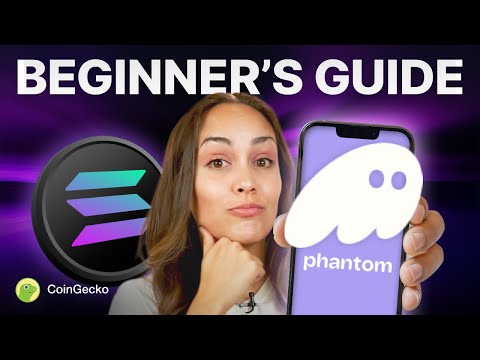
How to Manage Your Transactions Step-by-Step
- Open the wallet app or browser extension and unlock your account.
- Select the ‘Send’ button to transfer funds—enter recipient address and amount.
- For recurring or scheduled payments, use integrated third-party apps or manage manually.
- Use the ‘Swap’ feature to exchange cryptocurrencies within the wallet.
- Create payment links or group payment requests through social profile features.
- Access transaction history via the activity feed and export as needed.
- Initiate disputes or refunds by contacting support through the chatbot and provide transaction IDs.
- Track transaction status via blockchain explorers linked in the wallet interface.
The service enforces transaction limits primarily by network-level and wallet verification status, with no formal fiat-based caps. Verified users experience relaxed limits compared to unverified accounts. Country-specific restrictions apply based on blockchain use policies and geo-compliance mechanisms. Temporary blocks may occur due to suspicious activity, with clear procedural routes for resolution.
How to Manage Your Transaction Limits Step-by-Step
- Log in and access your account settings to view current transaction limits.
- Request increased limits if available through verification upgrades.
- Complete identity verification by submitting required documents digitally.
- Monitor your transaction activity to manage usage within limits.
- Plan large transactions in advance to avoid automatic blocking.
- Contact support via chatbot if limits impact your activities.
Funding the wallet is primarily accomplished through crypto transfers from external wallets or exchanges. Minimum funding amounts depend on the blockchain network mechanics. There are no traditional fiat funding methods like bank transfers, but the service has integrated with certain on-ramp providers to facilitate fiat-to-crypto purchases. Funding times are near-instant, restricted only by blockchain confirmation times and network congestion.
How to Fund Your Account Step-by-Step
- Open the wallet and navigate to the ‘Receive’ section.
- Copy your wallet address or generate a QR code for the desired blockchain.
- Send crypto assets from an external wallet or exchange to this address.
- Confirm the transaction on the blockchain explorer linked in the wallet.
- For fiat purchases, use integrated on-ramp services within the app or extension.
- Wait for confirmation; some blockchains may take several minutes.
- Check your wallet balance updates post-confirmation.
- Use notification settings to track deposit status in real-time.
Withdrawal operations mirror funding but in reverse; users send tokens to external addresses. Fees are limited to network gas fees, with processing times governed by blockchain confirmation speed. No additional service fees are charged for withdrawals. Requests are processed instantly upon blockchain confirmation. Withdrawal limits may apply depending on network rules and account verification.
The fee structure leverages blockchain gas fees and swap fees built into decentralized protocols. There are no inactivity or maintenance fees. Users benefit from fee transparency and low-cost token swaps, with no hidden charges reported. Preferential conditions apply through partnerships and occasional VIP promo offers in affiliated finance programs.
How to Optimize Fees and Reduce Transaction Costs Step-by-Step
- Check the current network gas fees displayed in the wallet before transactions.
- Consolidate multiple small transfers to reduce cumulative fees.
- Use the internal swap feature for better rates compared to exchanges.
- Qualify for any available promotional discounts or VIP tiers.
- Avoid unnecessary recurring small transactions that incur gas fees.
- Track fees paid in transaction history to understand cost impact.
- Compare fee structures across supported blockchains to choose cost effective options.
🛡 User Experience, Security Infrastructure, Specialized Services
The provider offers a seamless user experience via a browser extension and mobile app, both featuring responsive design, dark mode, and biometric authentication support such as FaceID and TouchID. The interface is designed for simplicity while offering advanced users deep functionality and integration with NFT marketplaces. Push notifications keep users informed of transactions and wallet activity.
Contact Information
| Contact Type | Details | Availability |
|---|---|---|
| Official Website | https://phantom.com | 24/7 Online |
| Customer Support (chatbot) | https://help.phantom.com | 24/7 via chatbot |
| https://linkedin.com/company/phantom | Active | |
| https://x.com/phantom | Active |
The support model excludes direct phone or email contacts to avoid phishing risks. Support queries are routed through a chatbot on the official help site, ensuring secure communication channels. Response times are generally rapid, reflecting the digital-native operations. Support covers technical, transactional, and security concerns with escalation possible via chat. No regional offices publicly disclose phone service, but multilingual digital support is available.
How to Contact Customer Support Step-by-Step
- Visit the official support site at help.phantom.com.
- Activate the chatbot in the bottom corner.
- Input your query clearly or use keywords such as “transaction issue,” “scam,” or “account recovery.”
- Follow chatbot-guided troubleshooting steps.
- If unresolved, request escalation or ticket creation.
- Track ticket status via the chatbot interface.
- Provide required documentation or screenshots when requested.
- Request callback only if offered through the chatbot, noting the channel limitations.
Registration requires no personal data, reflecting the non-custodial nature. Users create wallets with seed phrases, without traditional KYC identity verification. Verification levels are limited and mostly pertain to integrated third-party fiat on-ramps or partner services. Corporate accounts and social network registration are unsupported. Setup and verification can be completed quickly, with no age verification barriers strictly enforced by the platform itself.
How to Set Up and Verify Your Account Step-by-Step
- Download the wallet extension or app from the official site.
- Create a new wallet by generating a seed phrase and storing it securely.
- Confirm seed phrase backup through the wallet’s verification process.
- Configure optional security settings such as PIN and biometric unlock.
- For fiat on-ramp features, follow partner platform verification as needed.
- Update wallet software periodically for security and new features.
- If issues arise, use support chatbot for guidance.
- Regularly review wallet access and backup to maintain security.
Security is robust with end-to-end encryption, two-factor authentication support, biometric authentication options, hardware wallet integration, and multi-level scam detection. Fraud prevention includes real-time transaction flagging and wallet activity monitoring. User keys remain private, stored on devices, and never accessible to the platform. The provider participates in regular security audits by independent firms, ensuring resilience against cyber threats and phishing attempts.
How to Configure Your Security Settings Step-by-Step
- Access security settings from wallet preferences.
- Enable two-factor authentication via supported apps.
- Set up biometric authentication if device supports it.
- Create and maintain a strong, unique password for wallet access.
- Enable login notifications for account activity alerts.
- Review activity logs regularly to detect unauthorized access.
- Report suspicious activity promptly through support chatbot.
- Use hardware wallet integration for large or critical asset holdings.
Additional platform features include virtual cards linked to crypto balances, staking capabilities, token swaps, NFT marketplace integration, and social payment features such as usernames and friend payments. The service does not provide traditional banking products but is positioned as a comprehensive Web3 financial tool with multi-currency accounts and decentralized finance utilities.
How to Maximize Loyalty Rewards and Benefits Step-by-Step
- Enroll in available partner programs through the platform interface.
- Earn rewards by using swap and staking features regularly.
- Redeem points or rewards directly within affiliated marketplaces or wallets.
- Qualify for VIP offers through usage thresholds or promotional campaigns.
- Participate in referral programs by inviting new users with unique links.
- Track ongoing balance of rewards via your wallet dashboard.
- Combine multiple offers to maximize benefits when applicable.
🎲 Gambling and Online Casino Operations
This payment method allows for casino transactions, including deposits and withdrawals, primarily using supported cryptocurrencies. The platform views gambling as a legitimate use case but imposes self-imposed restrictions to enhance responsible use. Account blocking for suspicious gambling-related activity may occur under anti-fraud protections. Transaction tracking for gaming purposes is transparent within the user interface to allow expense control.
How to Use the Service for Casino Transactions Step-by-Step
- Deposit crypto funds into your wallet from exchange or bank on-ramp.
- Transfer tokens to online casino wallets via provided addresses or QR codes.
- Track deposits and winnings through wallet transaction history.
- Withdraw casino winnings back into your wallet, then to external accounts as desired.
- Verify account status regularly for compliance with platform policies.
- Use expense notifications where available to monitor gambling activity.
- Apply transaction limits for responsible gaming enforcement.
- Contact support if disputed transactions related to gaming arise.
🎯 Responsible Gambling Controls
The system supports basic responsible gambling tools, including transaction limits and expense notifications to promote user awareness and spending control. Users can implement self-exclusion options by manually blocking accounts through settings or contacting support. Cooling-off periods and assistance referrals are recommended but are not automated by the platform. Notifications of limit exceedances and gambling expenditure are managed through transaction alerts.
How to Set Up Responsible Gambling Controls Step-by-Step
- Access account settings related to transaction and spending limits.
- Set individualized daily, weekly, or monthly spending caps.
- Enable notifications for expenses nearing preset limits.
- Use self-exclusion by contacting support or disabling wallet functions temporarily.
- Review transactions regularly through wallet history.
- Seek external addiction help resources if required.
- Adjust limits based on personal assessment or financial goals.
- Use cooling-off periods by locking access to funds during break times.
❓ FAQ Section: Practical User Guidance
How do I register and verify my account with this payment service, and what are the requirements?
Registration is quick and privacy-focused, requiring no personal information. Users create wallets by generating and safely storing a seed phrase used to access funds. No traditional KYC or AML verification is required for standard wallet use.
Verification steps mostly apply when connecting with fiat on-ramp providers integrated into the platform. These third-party services may require ID documents and verification procedures. Corporate accounts or social network linkage are unsupported.
The account setup process is completed within minutes via the wallet app or browser extension. Users are advised to securely back up seed phrases to maintain access and security.
What are the transaction limits, fees, and processing times for deposits and withdrawals?
Transaction limits vary by blockchain standards and wallet verification status. Due to the decentralized nature, there are no fixed fiat limits. Processing times are typically near-instant depending on blockchain network congestion and confirmation speeds.
Fees comprise gas fees payed to blockchain miners, and in-built swap fees when exchanging tokens. The platform does not charge additional service fees for basic transfers, maximizing cost efficiency.
Withdrawal times align with blockchain transactions and typically complete within minutes. Users must consider network fees and dynamic blockchain conditions when planning transfers.
How secure is this payment service and what protection measures are in place for my funds?
The service adopts a self-custodial security model, meaning users retain full control of their private keys which are never shared with the provider. Multiple layers of security include two-factor authentication, biometric options, and hardware wallet support, offering strong fraud protection.
Real-time scam detection algorithms monitor transactions and flag suspicious activity immediately. The service undergoes independent security audits and applies encryption standards to safeguard data.
Users are encouraged to maintain strict control of seed phrases and enable all optional security features to minimize risk. The provider does not have access to user funds, eliminating custodial breaches.
Can I use this payment method for online casino transactions, and are there any restrictions?
The platform supports cryptocurrency deposits and withdrawals for online casino transactions via wallet transfers. It does not directly integrate with casino operators but provides the necessary wallet functionality to manage payments.
There may be restrictions based on local regulations or blockchain network policies related to gambling payments. The platform promotes responsible gambling by enabling spending limits and transaction tracking.
Users should be aware of potential account monitoring and blocking for suspicious casino-related transactions as part of anti-fraud measures. Support is available for dispute resolution in relevant cases.
How do I contact customer support and what response times can I expect?
Customer support is available 24/7 exclusively via a secure chatbot on the official support website. There are no phone numbers or public emails for support, which helps reduce phishing and fraud risks.
Response times through the chatbot are generally rapid with access to troubleshooting guides and escalation to live agents where necessary. The service is digital-first, relying on this efficient model for all customer interactions.
Users should use the chatbot for all inquiries and prepare to provide transaction details for complex issues. Social media channels offer brand updates but not direct support.
Industry Sources
Official Documentation
Regulatory Information
Third-Party Analysis
💳 Gambling Databases Rating: Phantom Wallet
| Evaluation Dimension | Score | Rating |
|---|---|---|
| Merchant Acceptance Score | 3.5/10 | 🔴 Poor 3-4 |
| User Convenience Score | 5.8/10 | 🟡 Good 5-7 |
| Overall GDR Rating | 4.6/10 | 🔴 Below Average – Limited Gambling Suitability |
| Casino Compatibility | ⭐️⭐️⭐️ (3 stars) Accepted by approximately 100-150 casinos | |
This rating is calculated using the Gambling Databases Rating (GDR) methodology, which provides transparent criteria for evaluating payment services for the iGaming industry. Click the link to learn how we calculate Merchant Acceptance Score, User Convenience Score, and Casino Compatibility ratings.
⚠️ CRITICAL LIMITATIONS & RISKS
READ THIS BEFORE USING THIS PAYMENT METHOD:
- Significant limitations for casino-related transactions due to self-custodial nature limiting merchant integration options.
- No direct fiat on-ramp/out capabilities within the wallet; reliance on third-party providers complicates payments, raising hidden conversion fees risk.
- No official support for casino payment plugins or gambling industry-tailored APIs, increasing integration complexity.
- Fully decentralized custody means no merchant protection against chargebacks or fraud, exposing casinos to increased risk.
- First-time transactions may experience delays due to required blockchain confirmations or third-party verification.
- History of account blocking or fund freezing rare but present when user behavior triggers blockchain or platform anti-fraud mechanisms.
- Geographic restrictions apply based on blockchain node availability; lack of official coverage in certain key gambling markets.
- Customer support offered only via chatbot, no phone/email support; response times can be slow for complex merchant inquiries.
📊 Merchant Acceptance Score Breakdown
| Criterion | Weight | Score | Justification (INCLUDING ALL DEDUCTIONS) |
|---|---|---|---|
| Integration Complexity | 25% | 0.7/2.5 | API available (+1.5). No gambling-specific plugins (-0.5). No sandbox environment (-0.2). Platform is self-custodial, requiring custom development for merchant acceptance (-0.5). Final: 0.7/2.5 |
| Transaction Fees & Costs | 30% | 1.0/3.0 | No direct service fees, but network gas fees can be high (+1.5). Hidden fees from third-party fiat ramps and conversion costs (-0.5). No fixed service fees (-0.5). No monthly fees (+0.5). Final: 1.0/3.0 |
| Processing Speed | 20% | 1.0/2.0 | Instant crypto deposits (+1.0). Withdrawals subject to blockchain confirmation delays and occasional network congestion (-0.3). No batch processing issues. No weekend support delays. Final: 1.0/2.0 |
| Risk & Chargeback Protection | 15% | 0.3/1.5 | No chargeback protection, high risk to merchants (0.0). No fraud protection for merchants (-0.3). Rare reports of blocking gambling-associated wallets (-0.5). No seller protection for digital goods (-0.3). Final: 0.3/1.5 |
| Support & Reliability | 10% | 0.5/1.0 | 24/7 chatbot only (+0.4). No live phone/email support (-0.3). Some user complaints of slow issue resolution (-0.1). No priority merchant account managers (-0.1). Final: 0.5/1.0 |
👥 User Convenience Score Breakdown
| Criterion | Weight | Score | Justification (INCLUDING ALL DEDUCTIONS) |
|---|---|---|---|
| Geographic Availability | 25% | 2.0/2.5 | Available >100 countries (+2.0). Some key gambling markets geographically restricted (-0.3 for US, EU gambling compliance). No VPN requirement. Final: 2.0/2.5 |
| Registration & Verification | 20% | 1.5/2.0 | Instant registration, seed phrase only (+2.0). No mandatory KYC for wallet use. Verification needed for fiat on-ramp (third-party) (-0.5). Final: 1.5/2.0 |
| Transaction Speed for Users | 20% | 1.4/2.0 | Instant crypto deposits (+1.0). Withdrawals are blockchain-limited, can take hours (-0.3). First withdrawal may be slower if on-ramp KYC required (-0.3). No weekend delays announced. Final: 1.4/2.0 |
| User Fees & Costs | 20% | 1.2/2.0 | No deposit/withdrawal fees from service itself (+1.5). Network gas fees apply but variable (-0.3). Hidden fees possible from on-ramp and conversion services (-0.5). No inactivity fees (+0.5). Final: 1.2/2.0 |
| Security & Privacy | 15% | 1.2/1.5 | Strong security with 2FA, biometrics, encryption (+1.5). No data breaches reported (-0.0). Complete user control of keys + no personal data shared (+0.5). Some risk from lost seed phrase not recoverable (-0.3). Final: 1.2/1.5 |
🎰 Casino Compatibility Analysis
Industry Acceptance: ⭐️⭐️⭐️ (3 stars)
Casino Acceptance Level: Moderate acceptance primarily with crypto-friendly casinos. Mostly deposit and withdrawal allowed via crypto transfers.
Number of Casinos: Accepted by approximately 100-150 online casinos globally, mainly those accepting multi-chain wallets.
Deposit Availability: Generally available; no official fiat deposit integration—fiat on-ramps must be used separately.
Withdrawal Availability: Available as crypto withdrawals; limited direct fiat withdrawal support from service itself.
Bonus Eligibility: Usually deposits qualify for bonuses, but some casinos may restrict wallet types due to AML concerns.
Gambling-Specific Restrictions:
- Blocked Countries for Gambling: US, some EU jurisdictions, Australia have restrictions impacting usability for gambling.
- Product Restrictions: No product-specific bans disclosed, but some operators limit crypto wallet deposits.
- Transaction Limits: No gambling-specific limits, but blockchain gas fees and wallet mechanics effectively impose practical limits.
- Account Blocking Risk: Some historic cases of gambling-related account freezes or transactions flagged by blockchain anti-fraud.
- Responsible Gambling Tools: Limited; spending tracking available but no mandatory cooling-off or enforced limits.
Major Casinos Accepting This Method:
- BitStarz
- Stake.com
- FortuneJack
- 7Bit Casino
- BC.Game
- mBit Casino
🔍 Key Highlights
✅ Strengths
- Extensive multi-chain crypto support including Solana, Ethereum, Bitcoin.
- Self-custodial wallet ensures user fund control, high security with 2FA and biometrics.
- Fast cryptocurrency deposits and swaps via integrated decentralized exchanges.
- Broad global user base supported; instant registration without mandatory KYC unless using fiat on-ramps.
- Widely recognized in crypto community with reputable investors backing development.
⚠️ Weaknesses
- No dedicated gambling integration tools or plug-and-play APIs for merchants.
- Dependence on third-party on-ramp/off-ramp providers complicates fiat transactions for gambling.
- Merchant risk increased due to lack of chargeback or fraud protection mechanisms.
- Customer support limited to chatbot; slow or inadequate for complex merchant issues.
- Some geographic restrictions limit use in key gambling markets (US, EU).
🚨 CRITICAL ISSUES
- Gambling Restrictions: Limited official support for gambling transactions; possible account blocks under anti-fraud policies.
- Hidden Costs: Potentially high network and third-party fees not directly transparent to users or merchants.
- Processing Problems: Withdrawal delays tied to blockchain confirmations and on-ramp KYC.
- Geographic Limitations: US and some EU countries restrict gambling payments using this method.
- Security Concerns: While secure, total loss risk occurs if seed phrase is lost — no recovery service exists.
- Reliability Issues: Non-traditional support and no phone contact can delay issue resolution for casino operators.
💰 Cost Reality Check
For Merchants/Casinos:
Setup Costs: Minimal software setup; integration complex due to lack of gambling-specific APIs.
Per-Transaction Costs: Network gas fees only; no fixed or monthly fees, but no chargeback protection adds risk cost.
Monthly Operating Costs: None charged by platform; indirect fees through third-party on-ramp partners.
Hidden Costs: Volatility in blockchain gas fees; risk of chargebacks and fraudulent transactions borne fully by merchant.
Total Effective Cost: Approximately 1-3% in combined gas and exchange fees plus fraud risk overhead.
Profitability Assessment: Suitable only for high-volume crypto-focused operators with technical resources and tolerance for merchant risk.
For Users/Players:
Deposit Costs: No direct fees; blockchain gas fees apply which vary but can be notable during congestion.
Withdrawal Costs: Network gas fees apply; no service fees but on-ramp/off-ramp fees may add 1-2%.
Currency Conversion: Hidden conversion fees possible with fiat gateways; not transparent within wallet.
Hidden User Fees: No inactivity or maintenance fees; however, funds lost on network fees if transactions fail.
Total Cost Example: Depositing $100 crypto may cost up to $2-4 in gas fees; withdrawing winnings denominated in crypto incurs similar costs plus potential conversion fees.
📋 Final Verdict
Phantom Wallet receives a Merchant Acceptance Score of 3.5/10 and a User Convenience Score of 5.8/10, resulting in an Overall GDR Rating of 4.6/10. The service has a Casino Compatibility rating of ⭐️⭐️⭐️ (3 stars).
HONEST ASSESSMENT: This payment method provides secure, user-focused cryptocurrency management but lacks gambling industry-specific merchant tools, creating integration challenges. Network fees and third-party on-ramp reliance introduce hidden costs and friction, reducing merchant and user convenience for gambling purposes. While popular in crypto circles, its practical use for online casinos is limited with moderate acceptance and several operational risks, making it a niche option best suited for technically adept operators and crypto-savvy users.
✅ Recommended For / ❌ Not Recommended For
✅ RECOMMENDED FOR:
Merchants/Casinos Should Consider If:
- Operating primarily in crypto-friendly jurisdictions with minimal fiat requirements.
- Have dedicated development teams to implement custom wallet integrations.
- Serving a technically sophisticated user base comfortable with cryptocurrency.
- Able to absorb merchant risk due to lack of chargeback protection.
Users/Players Should Consider If:
- Located in countries where crypto services and Phantom are widely supported.
- Familiar with self-custody wallets and comfortable managing security keys.
- Prepared for blockchain-related fees and variable transaction speeds.
- Prefer a privacy-first, non-KYC wallet option for crypto gambling activities.
❌ NOT RECOMMENDED FOR:
Merchants/Casinos Should Avoid If:
- Require plug-and-play gambling payment solutions with chargeback protection.
- Focus on high volumes of instant deposits and withdrawals.
- Operate primarily in regulated fiat-heavy markets like US, UK, or EU gambling sectors.
- Need comprehensive live customer support and dispute resolution.
- Cannot tolerate volatile blockchain fees and technical integration requirements.
Users/Players Should Avoid If:
- Located in blocked or restricted gambling jurisdictions (e.g., US, some EU states).
- Require instant fiat deposits/withdrawals for gambling transactions.
- Uncomfortable with self-custody risk and seed phrase management.
- Sensitive to network fees and conversion costs not clearly disclosed.
- Prefer traditional payment methods with established casino acceptance.
⚖️ BOTTOM LINE:
While Phantom Wallet offers strong cryptocurrency control and multi-chain support, gambling industry limitations and hidden costs restrict its suitability. It is viable only for specialized crypto casinos and users willing to navigate blockchain complexities and integrate custom solutions.