
Mozambique presents an evolving opportunity for iGaming businesses due to its growing internet penetration and expanding digital economy. The country’s regulatory framework is in developmental stages, with recent moves towards licensing and oversight of online gambling. This analysis details the legal environment and regulatory requirements for market entry, essential for strategic planning in this emerging market.
| Metric | Value |
|---|---|
| Gambling Legal Status | Partially regulated, with ongoing legislative developments |
| Regulatory Authority | Mozambique Gaming Regulatory Authority (proposed, under Ministry of Finance oversight) |
| Population (2025) | 33.6 million |
| Urban Population (%) | 38.5% |
| GDP (2024 est.) | $18.6 billion USD |
| GDP per capita | $550 USD (approx.) |
| Internet Penetration | 45% (growing rapidly) |
| Mobile Penetration | 75% with increasing smartphone adoption |
| Licensed Operators | Emerging, few formal licenses issued |
| License Application Fee | $25,000 approx. |
| License Renewal Fee | $10,000 approx. per annum |
| Gross Gaming Revenue Tax | 18% |
| Corporate Income Tax | 32% standard |
| Market Entry Barriers | Moderate regulatory complexity, infrastructure challenges, and capital requirements |
| License Processing Time | 6-9 months, depending on completeness |
| Average Revenue Per User (ARPU) | $75 annually (estimated) |
| Market Size (2025) | $150 million USD estimated revenue |
| Projected CAGR (2025-2030) | 15.4% |
| Payment Methods Available | Mobile money, credit/debit cards, bank transfers, emerging e-wallets |
| KYC/AML Compliance | Mandatory, aligned with international standards |
| Player Age Limit | 18 years |
| Responsible Gambling Measures | Required, including self-exclusion and deposit limits |
| Advertising Restrictions | Restricted to specific channels, no targeting minors |
| Local Presence Requirement | Physical local office required for operators |
| Foreign Ownership | Permitted with regulatory approval |
| Technology Infrastructure | Developing, with investments in broadband and data centers |
Section 1: Regulatory Framework and Legal Environment
Current Gambling Regulation Status
Mozambique’s gambling industry is currently under a transitional regulatory phase, with existing legislation primarily targeting traditional land-based gambling activities. The government has initiated efforts to establish comprehensive regulation for all gaming sectors, including the rapidly growing online gambling segment.
Most gambling operations currently fall under the purview of the Ministry of Finance, with the establishment of a dedicated gaming regulatory authority underway. The legal framework includes the regulation of casinos, sports betting, slot machine halls, and lotteries, but specific detailed rules for online gambling are in draft or early implementation stages.
Land-Based Gambling Activities
The land-based sector in Mozambique comprises various forms of gambling including casino operations, sports betting shops, slot machine parlors, and licensed lottery outlets. Casinos tend to be concentrated in major urban centers such as Maputo, providing a range of table games and slot machines.
Sports betting through physical outlets has seen steady growth, supported by regional interest in football and other popular sports. Slot machine halls operate both in casinos and standalone venues. Lottery products are offered by state-run entities, with revenues contributing to public funds.
Online Gambling Framework
The online gambling framework is emerging but incomplete, reflecting Mozambique’s growing digital economy. Current laws do not explicitly prohibit online betting and gaming, but a formalized licensing system for iGaming operators is still under development.
The government aims to introduce clear regulations to bring operators under oversight, ensure player protection, enforce anti-money laundering (AML), and establish taxation schemes. Regulatory oversight will likely demand technical standards compliance, KYC procedures, and responsible gambling safeguards.
Licensed Operators and Market Players
At present, licensed operators in Mozambique’s gambling market are few, largely encompassing land-based casinos and lottery organizers. Online operators mostly remain unregulated or operate from offshore jurisdictions targeting Mozambican customers.
The competitive landscape for online gaming is nascent and poised for change as regulatory clarity improves. Market entry strategies will require adherence to new licensing requirements, local partnership development, and investment in compliance infrastructure.
Licensing Framework and Requirements
Application Process and Eligibility
The licensing process is administered by the emerging gaming regulatory authority under the Ministry of Finance. Applicants must demonstrate financial stability, technical capability, and integrity to qualify for a license.
The application fee is estimated at approximately $25,000, with renewal fees around $10,000 annually. Processing times range from six to nine months, contingent on documentation completeness and compliance adherence.
Eligibility criteria include corporate registration in Mozambique, proof of responsible gaming and AML policies, and demonstration of reliable gaming software certified by recognized testing laboratories.
A comprehensive list of required documents for licensing must be submitted:
- Corporate registration certificate and articles of incorporation
- Financial statements for the past three years audited by a recognized firm
- Business plan detailing market strategy and financial projections
- Technical documentation of gaming platform and RNG certification
- Criminal background checks for all directors and beneficial owners
- Proof of minimum capital deposit in a licensed bank
Local Presence and Operational Requirements
Operators are required to maintain a physical office within Mozambique to facilitate regulatory communication and local oversight. The domain name of the gaming website must be registered under the Mozambique ccTLD or an approved variant, ensuring traceability and legal jurisdiction.
Foreign ownership of gambling operators is permitted but requires explicit governmental approval, ensuring alignment with national interests. Local partnerships or joint ventures with Mozambican firms are encouraged to foster market integration and compliance adherence.
Compliance Obligations and Monitoring
Player Protection and Identification
Strict KYC and AML standards mandate the verification of player identities before account activation. Age restrictions set the minimum legal gambling age at 18 years, with operators required to enforce robust mechanisms to prevent underage gambling.
Responsible gambling measures are compulsory, including self-exclusion programs, deposit limits, and information disclosure on gambling risks. Operators must provide players with tools and options to manage their gaming behavior responsibly.
- Mandatory identity verification via government-issued ID
- Real-time transaction monitoring to detect suspicious activities
- Implementation of player self-exclusion registries
- Deposit and loss limits configurable by players
- Publication of responsible gaming information on operator platforms
Financial Monitoring and Reporting
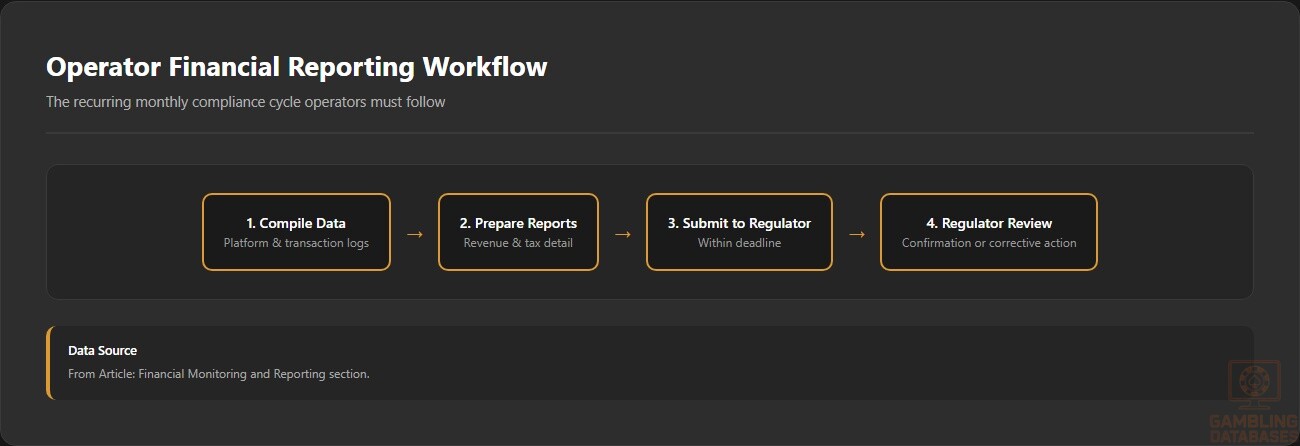
Operators must submit monthly financial reports detailing gross gaming revenue, payouts, taxes paid, and suspicious transaction reports to the regulator. Audits are conducted annually to ensure full compliance with financial and operational standards.
The reporting process typically follows these sequential steps:
- Data compilation from gaming platform and transaction logs
- Preparation of detailed revenue and tax reports
- Submission of reports to the regulatory authority within stipulated deadlines
- Regulator review and issuance of compliance confirmations or requirements for corrective actions
Taxation Structure and Financial Obligations
Player Taxation
There is no direct taxation on player winnings; however, operators withhold applicable taxes and remit them to the government. Players are not directly responsible for reporting gambling income under the current framework.
Operator Taxation
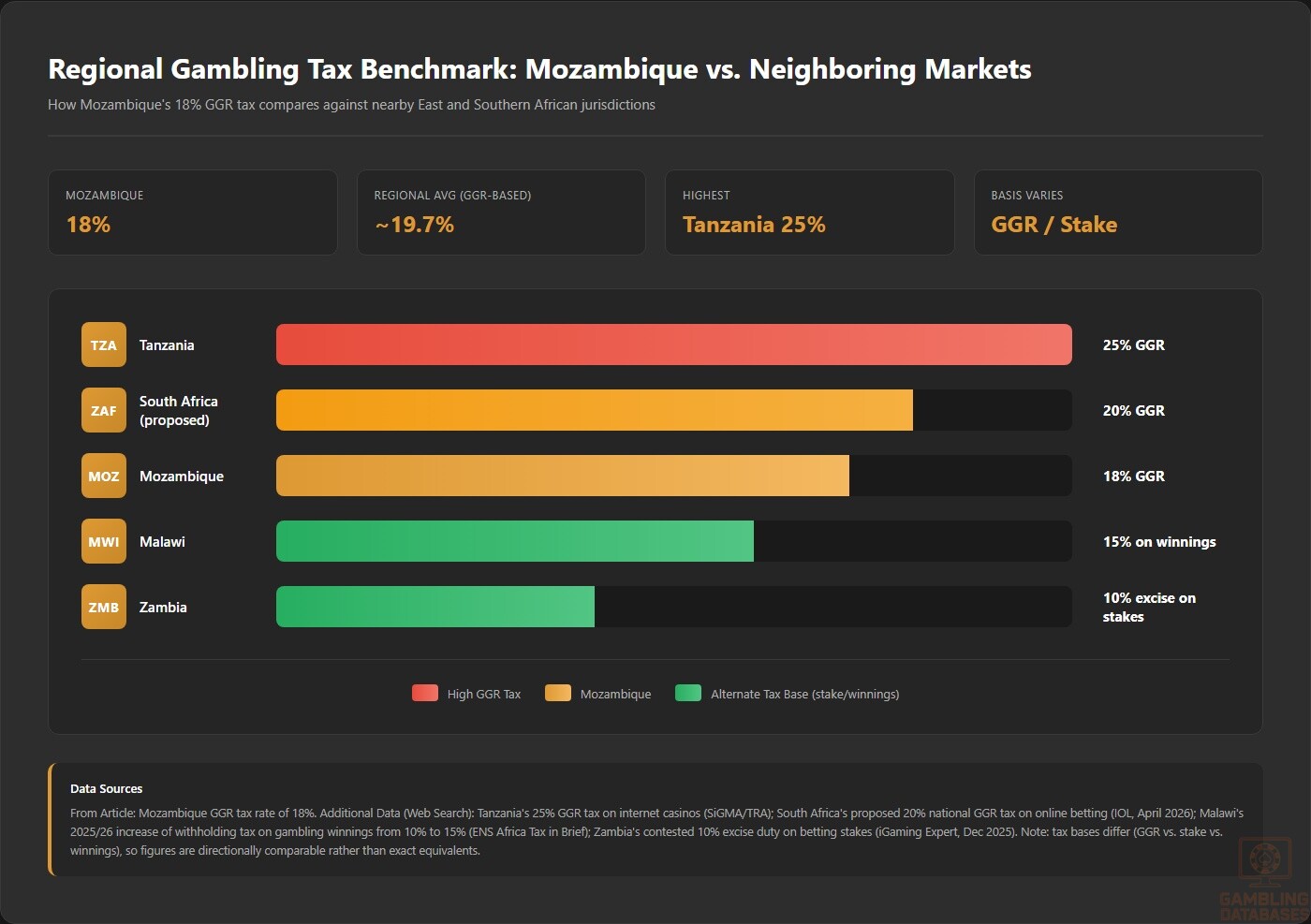
Operators are subject to an 18% gross gaming revenue (GGR) tax, alongside standard corporate income tax at 32%. Annual license renewal fees and fixed operational taxes apply, creating a financial burden that operators must account for in their business models.
| Game Type | Tax Rate (GGR %) |
|---|---|
| Sports Betting | 18% |
| Casino Games | 18% |
| Lottery | 15% |
| Slot Machines | 18% |
Gambling Market Financial Performance
The market’s total wagered amounts have shown steady growth, driven by increasing participation in sports betting and online gaming. Tax revenues from gambling have become a notable government income source.
Year-over-year revenue has increased at an estimated rate of over 15%, supported by expanding internet access and mobile penetration. Revenue distribution is concentrated in urban hubs but shows potential for rural expansion with improved infrastructure.
Advertising and Marketing Restrictions
Advertising of gambling services is subject to regulation, permitted mainly through limited channels such as licensed media outlets and digital platforms with age restrictions. Content targeting minors is strictly prohibited.
Sponsorship by gambling companies in sports and entertainment is allowed under regulated conditions. Time-of-day advertising restrictions limit exposure during peak minors’ viewing times to minimize youth influence.
- Advertising restricted to licensed TV and radio stations
- Online advertising requires age verification barriers
- Bans on promotions encouraging excessive gambling
- Prohibition of misleading or false claims in advertisements
- Mandatory inclusion of responsible gambling messages in all ads
Recent Regulatory Changes and Their Impact
Recent amendments introduced clearer licensing guidelines and increased regulatory scrutiny, aimed at formalizing the online gambling sector. These changes have increased compliance costs but improved market transparency and investor confidence.
Enforcement Mechanisms and Penalties
Regulatory enforcement includes financial penalties, license suspensions, and potential criminal charges for non-compliance. Compliance monitoring has intensified, with regular audits and mystery shopper inspections.
- Monetary fines for unauthorized operations
- License suspension or revocation for violations
- Seizure of gaming equipment for illegal activities
- Criminal prosecution for fraud or money laundering
- Public disclosure of non-compliant operators
Section 2: Demographics and Consumer Analysis
Population Demographics and Distribution
Mozambique has an estimated population of 33.6 million people in 2025, characterized by a youthful demographic profile. The median age stands at approximately 17.5 years, reflecting a predominantly young population with a high dependency ratio. Gender distribution is relatively balanced, with a slight female majority comprising about 51% of the population.
The age distribution reveals a substantial base in the under-15 segment, followed by a rapidly growing young adult group, which forms the core potential consumer base for iGaming services. Urbanization remains moderate, with roughly 38.5% of the population residing in urban centers, while the majority still live in rural areas where internet access and gambling venue availability are more limited.
| Age Group | Percentage of Total Population |
|---|---|
| 0-14 years | 45% |
| 15-24 years | 21% |
| 25-54 years | 27% |
| 55-64 years | 4% |
| 65 years and above | 3% |
Geographic Distribution
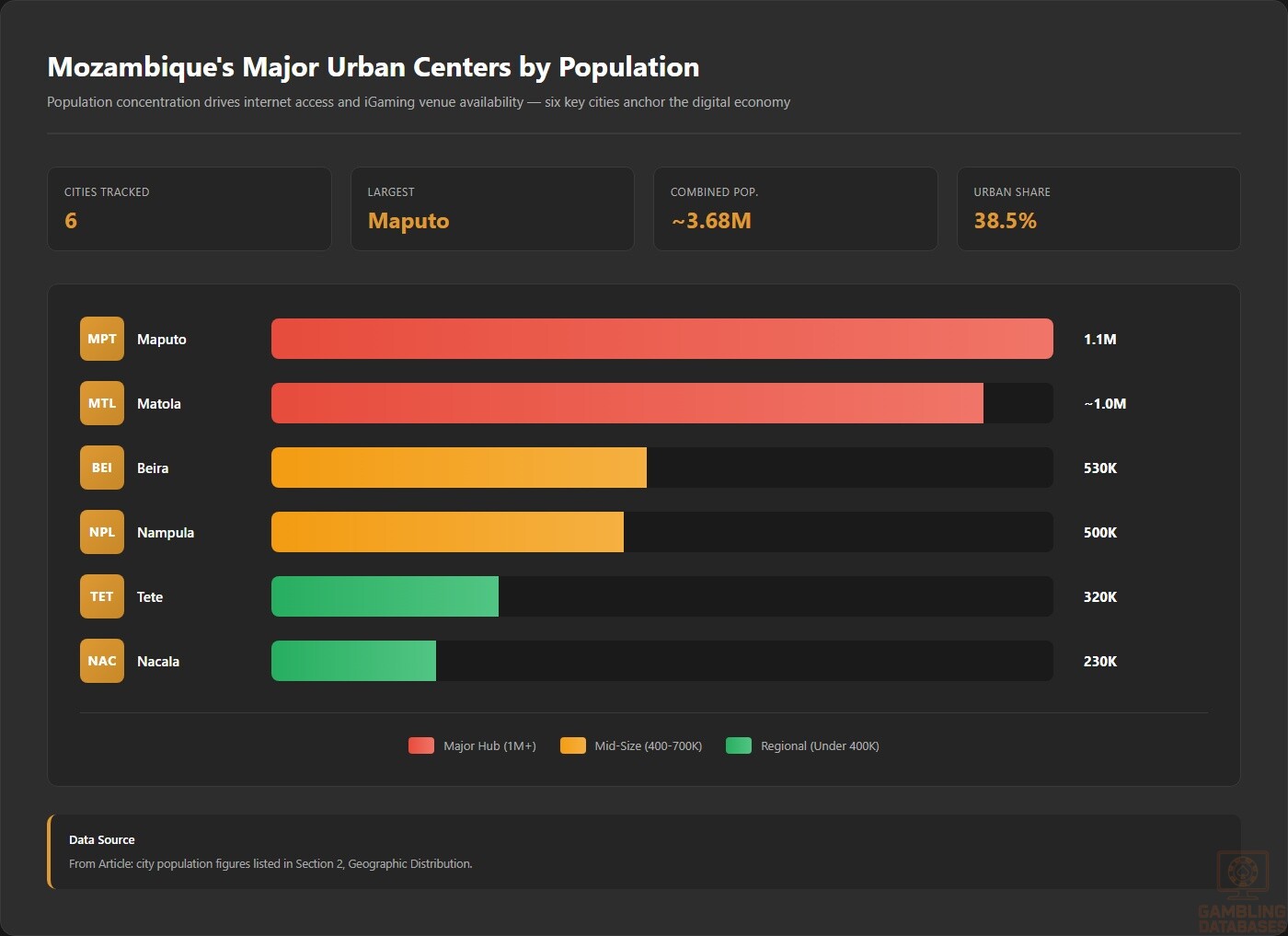
The population is concentrated in several major urban centers that act as economic and social hubs. Internet penetration and gambling venue availability closely correlate with city size and economic activity, favoring urban populations over rural communities.
The top cities serve as focal points for digital infrastructure development and consumer activity in iGaming. These hubs benefit from better broadband connectivity and higher average incomes, making them critical markets for operators targeting entry into Mozambique.
- Maputo – Capital and largest city with over 1.1 million residents
- Beira – Key port city with approximately 530,000 inhabitants
- Nampula – Major commercial center in the north with about 500,000 people
- Matola – Industrial city near Maputo, population around 1 million
- Nacala – Important port town with roughly 230,000 residents
- Tete – Center for mining activities, population near 320,000
Economic Indicators and Consumer Spending Power
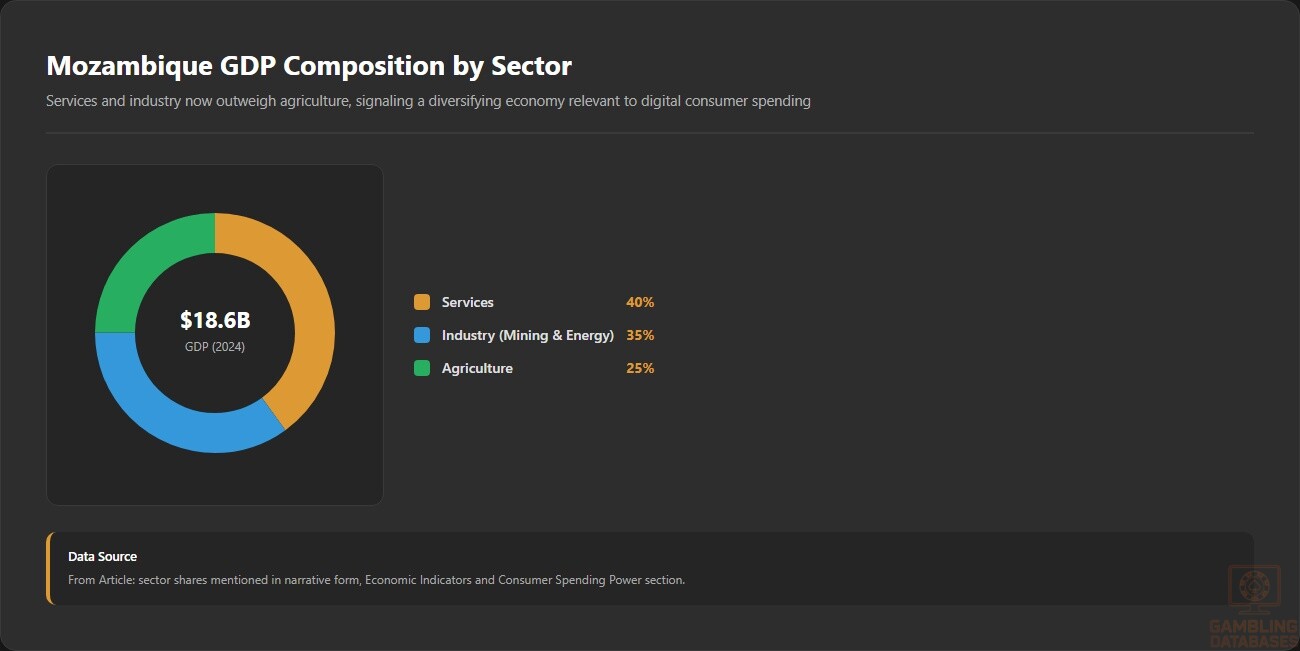
Mozambique’s GDP is estimated at $18.6 billion USD in 2024, reflecting steady, albeit moderate, economic growth averaging about 3.5% annually over recent years. The economy is dominated by the agriculture sector (around 25%), followed closely by services (approximately 40%) and industry including mining and energy production (around 35%).
Per capita income remains low at roughly $550 USD, with significant disparities between urban and rural areas. The expanding middle class in cities supported by natural resource revenues and foreign investment growth reinforces the potential for increased consumer spending and entertainment consumption.
Household income distribution reveals a wide range of disposable income levels, with a small but growing proportion of households capable of discretionary spending on leisure activities such as iGaming. Consumer spending trends indicate rising mobile device ownership and increased expenditures on digital services.
| Indicator | Value |
|---|---|
| GDP (2024 estimate) | $18.6 billion USD |
| GDP Growth Rate (Average 2020-2024) | 3.5% annual |
| Per Capita Income | $550 USD |
| Inflation Rate (2024) | 4.3% |
| Urban Household Disposable Income | $1,200 USD annually (avg.) |
Market Size and Growth Projections
The Mozambique iGaming market is estimated at approximately $150 million USD in annual revenue for 2025, propelled by expanding internet connectivity and growing digital payment adoption. The user base is projected to grow steadily, supported by a compound annual growth rate (CAGR) of around 15.4% through to 2030.
Average Revenue Per User (ARPU) is estimated at $75 annually, indicating growing discretionary spending within a young, digitally active population. Market forecasts demonstrate increasing penetration of mobile gambling apps and sports betting platforms.
| Metric | Value |
|---|---|
| 2023 Estimated Market Revenue | $120 million USD |
| 2025 Estimated Market Revenue | $150 million USD |
| 2030 Projected Market Revenue | $310 million USD |
| Estimated CAGR (2025-2030) | 15.4% |
| Annual ARPU | $75 USD |
Education, Skills, and Digital Literacy
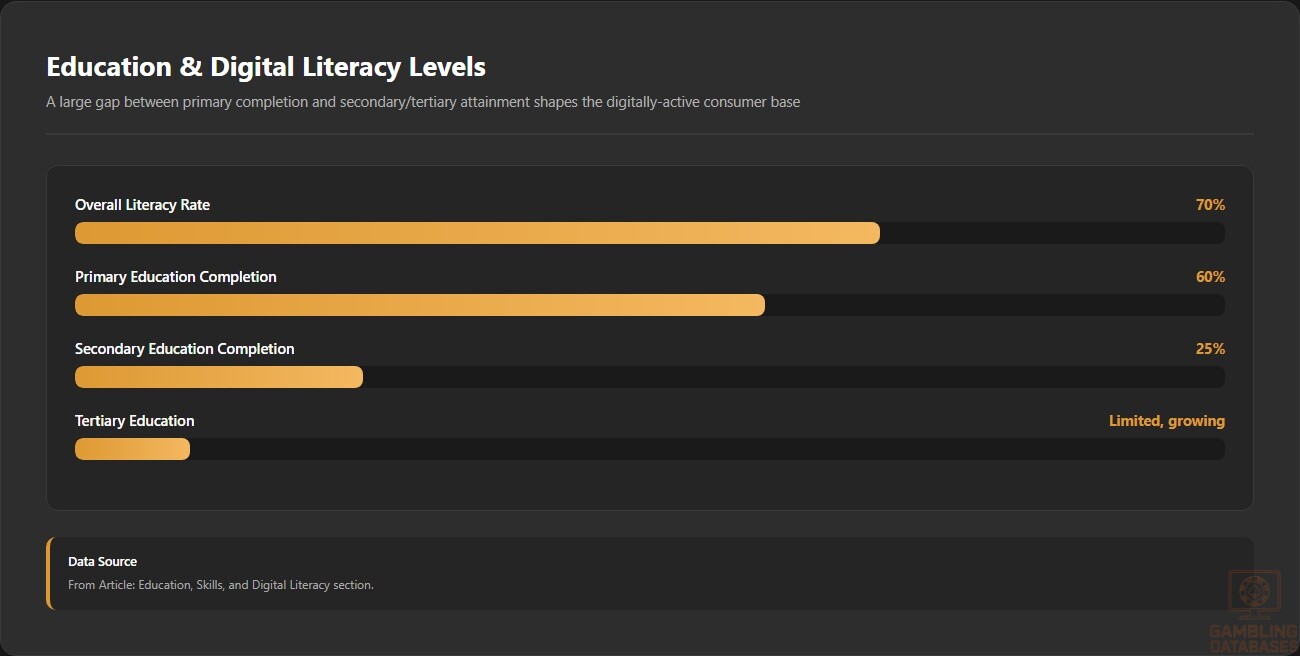
Mozambique’s literacy rate has improved significantly over recent decades, now estimated near 70%, with higher rates in urban areas. Educational attainment remains modest, with primary education completion around 60%, secondary levels approximately 25%, and tertiary education still limited but growing.
Digital literacy is rising steadily, especially among younger age groups, fueled by smartphone adoption and internet accessibility. Workforce skills in ICT-related fields remain developing, with increased government and NGO investments targeted at boosting technical education and training programs.
Cultural and Social Factors
Communication and Language
The official language of Mozambique is Portuguese, widely used in business, education, and government communication. Indigenous languages also play a significant role, especially in rural areas and informal settings, reflecting the country’s diverse cultural landscape.
- Portuguese (official and primary business language)
- Emakhuwa
- Elomwe
- Tsonga
- Chuwabo
- Sena
- Ndau
Cultural Attitudes
Gambling is generally accepted as a legal leisure activity with growing popularity, especially among urban youth. Religious and cultural influences advocate moderation, and gambling addiction awareness is limited but increasing. The population shows openness towards foreign brands, particularly digital platforms offering localized content and payment methods.
Problem Gambling and Social Considerations
Problem gambling prevalence is currently low but anticipated to grow alongside market expansion. At-risk groups include young adults and economically vulnerable individuals. Government and social organizations have introduced several response measures to mitigate potential harms.
- National awareness campaigns promoting responsible gambling
- Self-exclusion program implementation support
- Funding for counseling and addiction treatment services
- Mandatory operator contributions to social responsibility funds
- Collaboration with NGOs to monitor gambling impacts
Political Structure and Governance
Mozambique is a stable republic with a multi-party political system. Regulatory consistency has improved, fostering a conducive business environment. The government actively seeks international partnerships to harmonize regulations with global standards, supporting investor confidence in emerging sectors like iGaming.
Technology Adoption and Digital Behavior
Internet and Digital Usage
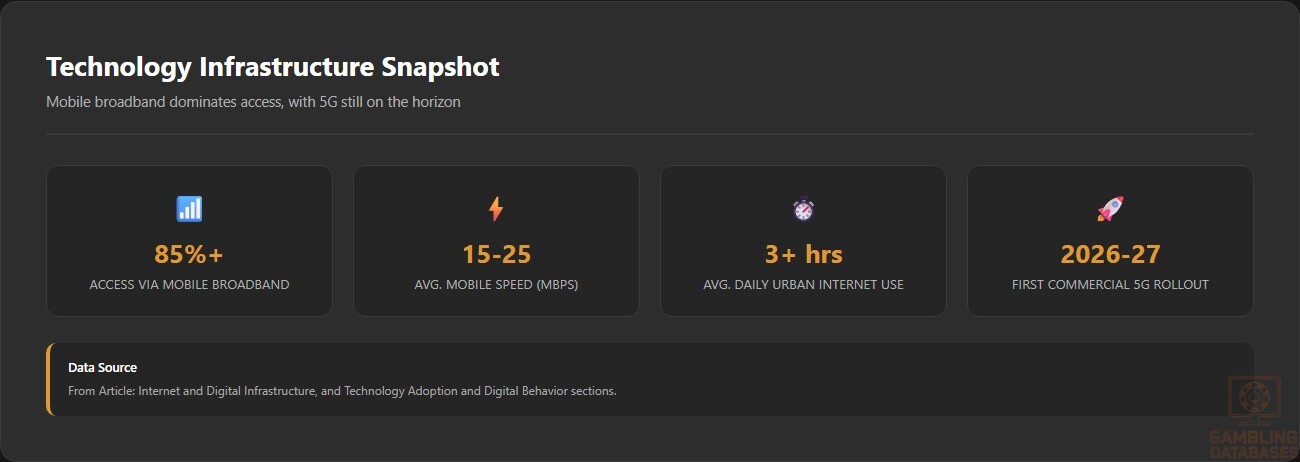
Internet penetration reached approximately 45% in 2025, driven by mobile broadband expansion. Average daily internet usage for urban residents exceeds three hours, with social media being a dominant activity. Smartphone adoption has soared, now exceeding 75%, enabling widespread access to online gaming.
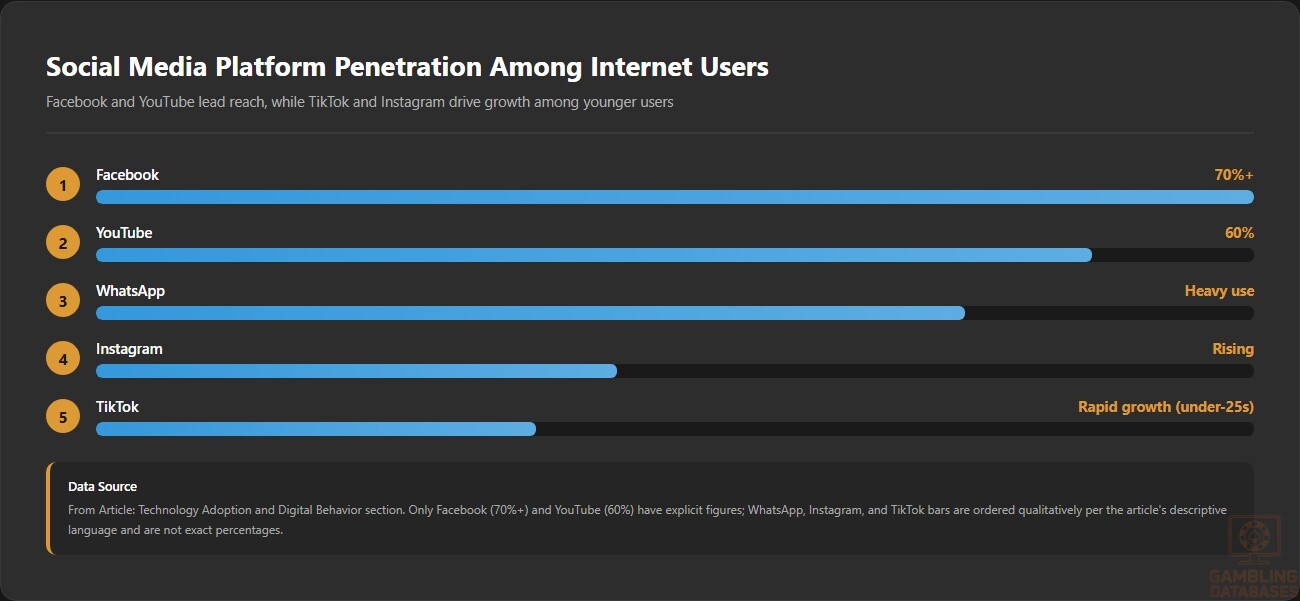
Social media platforms are key channels for engagement, marketing, and communication within the iGaming community.
- Facebook holds the largest user base with over 70% penetration among internet users
- YouTube demonstrates strong video content consumption with 60% penetration
- WhatsApp is heavily used for messaging and social connectivity
- Instagram’s popularity is rising among younger demographics
- TikTok shows rapid adoption especially among under-25 users
Digital Payment Behavior
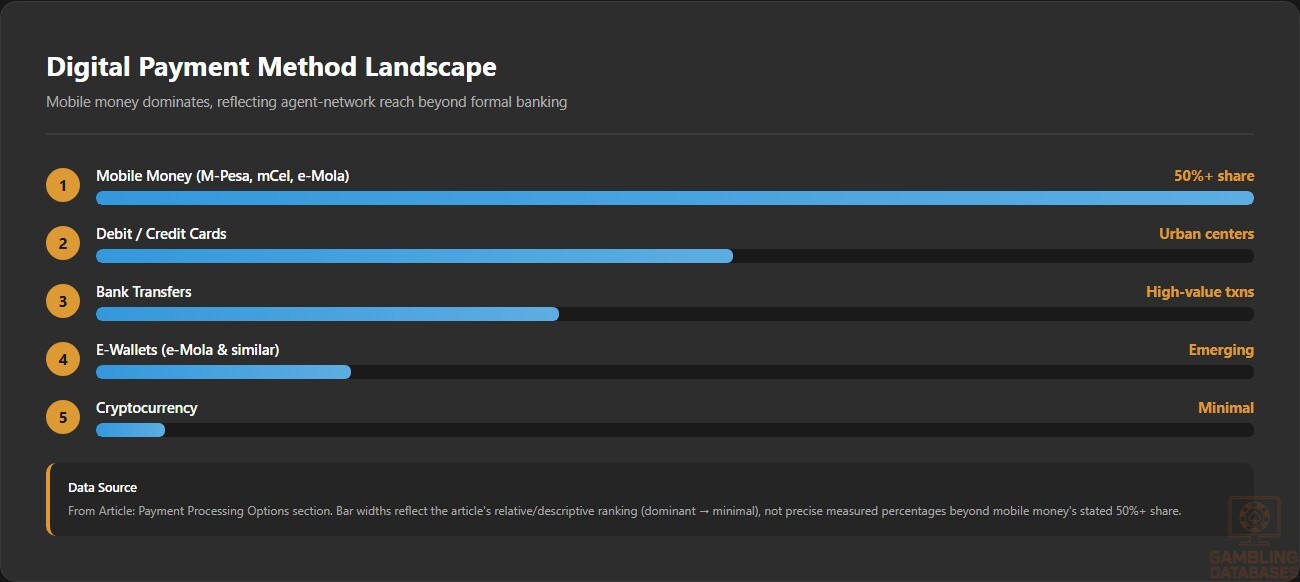
Digital payment adoption is strongly influenced by mobile money platforms, favored for their convenience and widespread agent networks. Online transactions increasingly utilize combinations of mobile wallets, bank cards, and bank transfers.
- Mobile money services (M-Pesa, mCel) dominate digital payments with over 50% market share
- Debit and credit cards are accepted in major urban centers and online platforms
- Bank transfers hold a significant share in higher-value transactions
- E-wallets such as e-Mola are emerging in niche segments
- Cryptocurrency usage remains minimal but is monitored by regulators
Gaming and Gambling Preferences
Current Market Participation
The most popular gambling activities include sports betting, lottery participation, slot games, and online casino offerings. Market surveys indicate sports betting has the highest participation rate due to cultural affinity for football and other regional sports.
| Rank | Activity | Participation Rate (%) |
|---|---|---|
| 1 | Sports Betting | 35% |
| 2 | Lottery Games | 28% |
| 3 | Slot Machines | 18% |
| 4 | Online Casino Games | 15% |
| 5 | Traditional Card and Table Games | 10% |
Consumer Behavior Patterns
Players typically engage with gambling platforms via mobile devices, favoring quick bet placements and sports-related outcomes. Peak activity times align with major sporting events and weekends, with session durations averaging 30–45 minutes.
Retention is enhanced by localized content, flexible payment options, and ongoing promotional campaigns. Consumers demonstrate increasing trust in licensed operators offering secure and responsible gaming environments.
Section 3: Technology Infrastructure and Business Environment
Internet and Digital Infrastructure
Mozambique’s internet penetration reached approximately 45% in 2025, driven largely by mobile broadband expansion. Fixed broadband remains limited and concentrated in urban areas, while mobile broadband accounts for over 85% of internet access. Average mobile download speeds range between 15 and 25 Mbps, with urban centers experiencing better connectivity than rural regions.
Investment in digital infrastructure is ongoing, supported by government and private sector initiatives targeting the expansion of fiber optic networks and undersea cables. However, challenges persist in ensuring consistent reliability and reducing latency, particularly outside the major cities.
5G and Future Technology Deployment
5G technology deployment is in early pilot phases, with the first commercial rollouts planned for 2026–2027. Network operators are preparing infrastructure upgrades to support 5G coverage in major cities and industrial hubs, aiming to boost broadband speeds and support high-data applications such as streaming and online gaming.
The telecommunications landscape includes a small number of key operators competing to capture market share in 5G services. Regulatory frameworks accommodating emerging technologies are under development, reflecting a forward-looking digital strategy.
Mobile Technology Ecosystem
Mobile Network Infrastructure
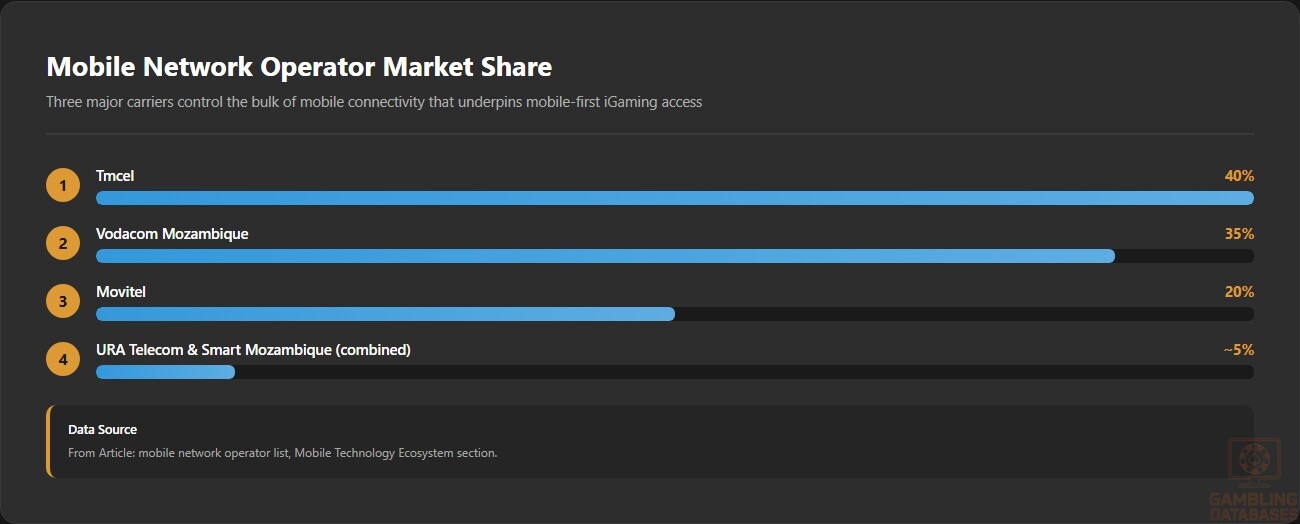
Mozambique’s mobile sector is served by several providers offering a mixture of GSM and 4G LTE services. Market share is concentrated among three major players, with emerging smaller operators targeting niche segments. Coverage quality is generally strong in urban locales and expanding rapidly across regional centers.
- Tmcel – Market leader with around 40% share, extensive urban and rural coverage
- Vodacom Mozambique – Holds about 35%, focusing on mobile data and 4G
- Movitel – Roughly 20% share, known for aggressive pricing and rural penetration
- URA Telecom – Small but growing, specializing in corporate clients
- Smart Mozambique – New entrant focusing on data-centric services
Device Penetration
Smartphone adoption has accelerated sharply, with over 75% of the population owning or using smartphones as their primary internet access device. Affordable handset availability and expanded mobile networks have fueled this trend, making mobile devices the dominant platform for accessing digital services, including iGaming.
The most popular device brands include Android-based smartphones from Samsung, Huawei, and Xiaomi, meeting the affordability and functionality needs of the market. User behavior reflects increasing consumption of mobile entertainment, interactive apps, and social media platforms.
Financial Services and Payment Infrastructure
Banking System Structure
Mozambique’s banking sector demonstrates a mix of state-owned and private entities with growing adoption of digital channels. Account penetration remains modest but is improving rapidly due to mobile banking and fintech expansion. The sector faces challenges in financial inclusion and trust but is steadily expanding coverage.
- Banco de Moçambique – Central bank overseeing policy and regulation
- Millennium BIM – Largest commercial bank with extensive digital banking services
- Standard Bank Mozambique – International bank with focus on corporate and retail banking
- BancABC Mozambique – Regional bank offering SME and personal banking
- Socremo – State bank emphasizing agricultural and rural finance
Payment Processing Options
Payment infrastructure heavily favors mobile money solutions, with extensive agent networks and growing acceptance for online transactions. Credit and debit cards are available primarily in urban and tourist areas, whereas bank transfers are used mostly for high-value operations.
- Mobile money (M-Pesa, mCel, e-Mola) dominate for convenience and reach
- Visa and Mastercard credit/debit cards accepted in major urban centers
- Bank transfers for corporate clients and larger transactions
- E-wallets gaining momentum among younger consumers
- Cash-based voucher systems filling gaps where digital penetration is low
E-commerce and Digital Economy
The digital economy in Mozambique is evolving with e-commerce growing steadily, driven by rising internet access and mobile payment infrastructure. Online retail penetration remains low compared to global benchmarks but is expanding rapidly in urban areas. Consumer trust and logistics remain challenges, yet digital service adoption in sectors like entertainment and financial services signifies strong growth potential.
Business Environment and Regulatory Framework
Ease of Business Operations
Mozambique’s business environment is improving through reforms aimed at simplifying registration and licensing processes. The World Bank ranks the country moderately for ease of doing business, reflecting progress and ongoing challenges, especially in contract enforcement and property registration.
Foreign investment policies encourage sectoral diversification with incentives for technology and service industries. Operational costs include moderate labor expenses but higher utilities and administrative fees compared to regional peers.
Corporate Structure and Registration
Common legal entities for operators include Limited Liability Companies (LLCs), corporations, and branch offices of foreign firms. LLCs are preferred for their flexibility and limited liability protection. Branch offices allow foreign companies to operate without full incorporation but may face restrictions on contracts and liability.
Company registration typically ranges from two to six weeks depending on document completeness and government workflow efficiency. Foreign ownership is permitted with necessary regulatory approvals, facilitating foreign capital entry into the iGaming sector.
- Certificate of Incorporation
- Tax Identification Number issuance
- Business license application
- Proof of registered physical address
- Shareholder and director information
- Bank account documentation
Taxation Framework
Corporate Income Tax Structure
The standard corporate income tax rate in Mozambique is 32%. Businesses operating within specific economic zones benefit from tax holidays and exemptions, encouraging industrial and technology investment.
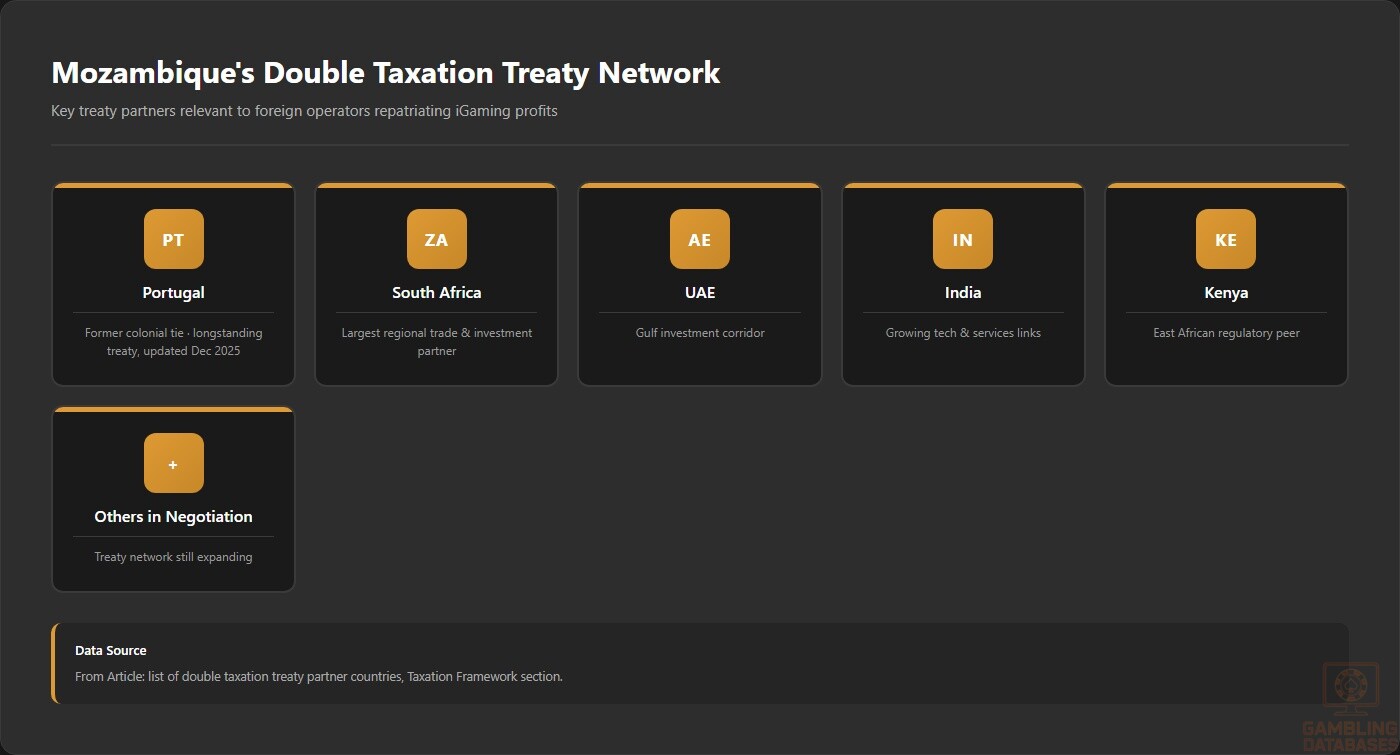
Mozambique maintains double taxation treaties with several countries to facilitate foreign investment and avoid withholding taxes on repatriated profits.
- Portugal
- South Africa
- United Arab Emirates
- India
- Kenya
- Others in negotiation
Personal Income Tax
Individuals are taxed on a progressive scale up to 32%, with mandatory social security contributions deducted at source. Non-resident taxpayers are subject to withholding on Mozambique-source income. Tax residency is defined by physical presence exceeding 183 days annually.
Market Entry Considerations
Recommended Entry Strategies
Successful market entry hinges on leveraging local partnerships to navigate regulatory complexities and cultural nuances. Deploying mobile-first platforms optimized for regional payment methods enhances user acquisition. Emphasizing compliance with emerging responsible gambling frameworks will build trust and sustainability.
- Form joint ventures or partnerships with established Mozambican firms
- Adopt mobile-first user interface design targeting smartphone users
- Integrate popular local payment methods, especially mobile money
- Invest in KYC/AML compliance infrastructure aligned with regulators
- Engage in targeted marketing focusing on major urban centers
Typical Costs and Timelines
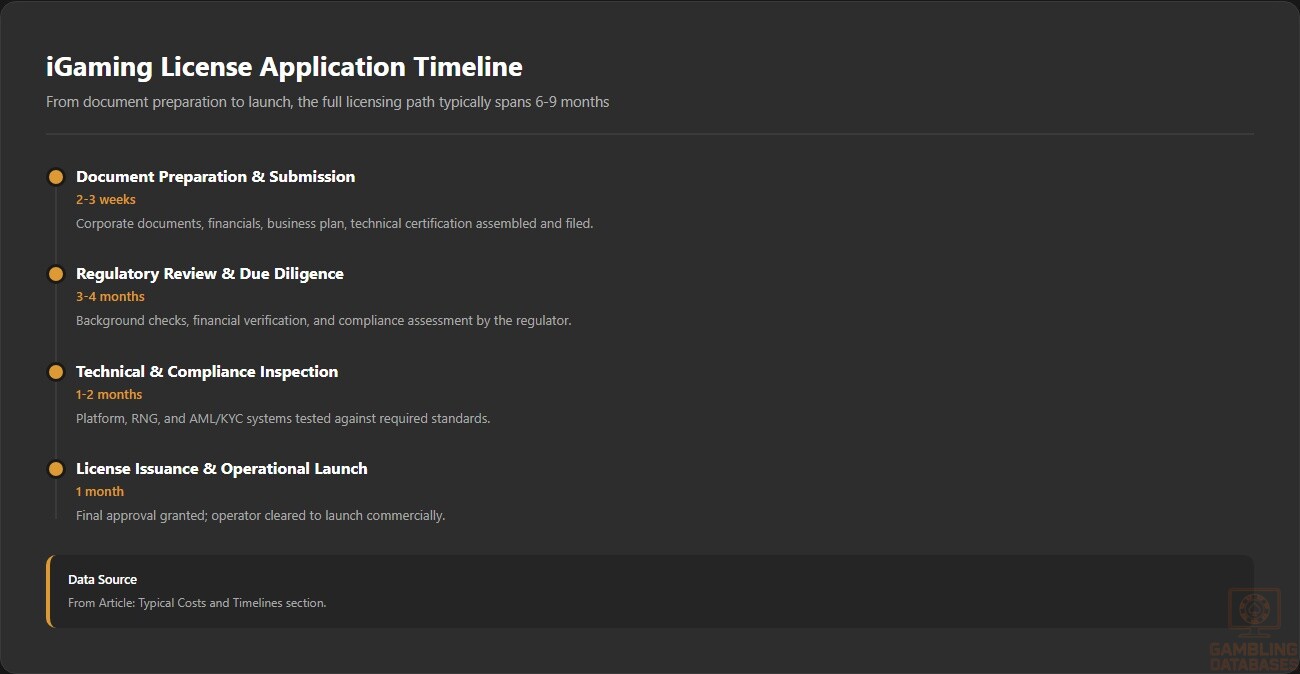
Initial setup costs include license application fees (~$25,000), corporate registration expenses, technology platform development, and operational capital to support compliance. Licensing renewals and tax obligations form ongoing cost components. Market entry preparation typically spans 6-9 months.
| Cost Category | Estimated Amount (USD) |
|---|---|
| License Application Fee | $25,000 |
| Corporate Registration and Legal Fees | $10,000 |
| Platform Development and Setup | $150,000 |
| Initial Marketing and Customer Acquisition | $50,000 |
| Working Capital (12 months) | $200,000 |
- Document preparation and submission (2-3 weeks)
- Regulatory review and due diligence (3-4 months)
- Technical and compliance inspection (1-2 months)
- License issuance and operational launch (1 month)
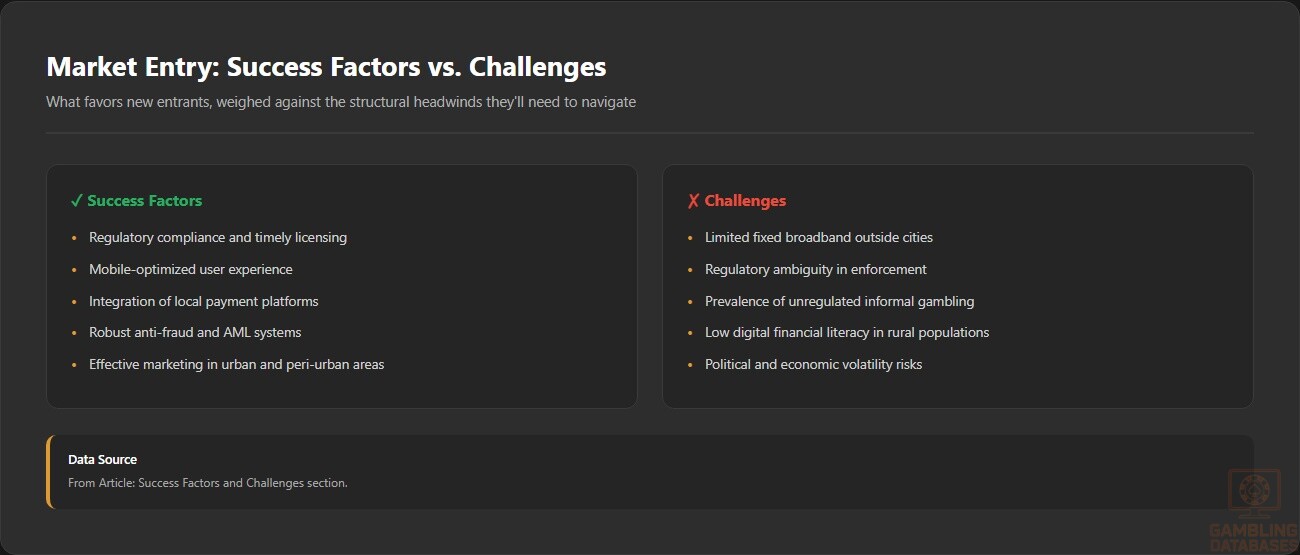
Success Factors and Challenges
Key success factors include adherence to regulatory standards, deep understanding of consumer behavior, effective use of mobile technologies, and strong local partnerships. Challenges encompass infrastructure variability, enforcement uncertainties, and competition from unlicensed operators.
- Regulatory compliance and timely licensing
- Mobile-optimized user experience
- Integration of local payment platforms
- Robust anti-fraud and AML systems
- Effective marketing in urban and peri-urban areas
- Limited fixed broadband infrastructure outside cities
- Regulatory ambiguity in enforcement
- Prevalence of unregulated informal gambling
- Low digital financial literacy in rural populations
- Political and economic volatility risks
Exit Strategy Planning
Market exit or ownership transfer is constrained by regulatory approval requirements and limited liquidity in secondary market transactions. Licenses are generally non-transferable without regulator consent, impacting valuation and restructuring flexibility. Planning must account for evolving regulatory landscapes and business continuity considerations.
FAQ: Frequently Asked Questions
1. Is online gambling legal in Mozambique?
Online gambling operates within a partially regulated environment in Mozambique. While recent legal reforms seek to formalize the sector, the current framework allows some online operators to function, especially international platforms. However, a specific licensing regime for iGaming is under development, and businesses are advised to pursue formal licensing to operate legally and gain regulatory protections.
2. What types of gambling licenses are available and what do they cover?
The licensing system includes categories for land-based casinos, sports betting, lotteries, slot machines, and soon, online gambling. Each license type defines operational scope, technical standards, and compliance requirements. As the online gambling framework matures, distinct online gaming licenses will cover sports betting, casino games, and lotteries delivered via digital platforms.
3. How much does an iGaming license cost and how long does it take to obtain?
The iGaming license application fee is approximately $25,000, with annual renewal fees around $10,000. The average processing time ranges from 6 to 9 months, depending on the completeness of documentation and the speed of regulatory assessments. Timely application and thorough compliance preparation can reduce delays and align business launches with legal requirements.
4. Can foreign companies obtain a gambling license?
Foreign companies are eligible to apply for gambling licenses in Mozambique but must comply with local regulations, including maintaining a physical presence and undergoing full due diligence. Partnerships with local entities are encouraged to facilitate compliance and market penetration. Government approval for foreign ownership ensures alignment with national policy objectives.
5. What are the tax obligations for iGaming operators?
Operators are subject to an 18% gross gaming revenue tax across most gaming types, complemented by the standard corporate income tax rate of 32%. Annual license renewal fees and additional operational taxes apply. These combined obligations require careful financial planning to ensure profitability and compliance.
6. Are gambling winnings taxed for players?
Currently, there is no direct tax levied on gambling winnings to players in Mozambique. Operators handle tax withholding on revenues and remit payments to tax authorities. Players enjoy winnings without additional reporting obligations, making the market attractive from the consumer taxation perspective.
7. What are the typical operational costs for running an online casino or sportsbook?
Operational costs include licensing fees, technology platform maintenance, regulatory compliance, marketing expenses, payment processing fees, and staffing. These costs vary but typically require substantial upfront and ongoing financial commitments to maintain service quality, security, and regulatory adherence.
8. What is the expected ROI timeline for entering this market?
Return on investment timelines vary by scale and operational efficiency. Generally, operators may anticipate break-even within 2 to 4 years, depending on market penetration, customer acquisition costs, and regulatory compliance expenses. Strategic localization and robust marketing can accelerate ROI.
9. What are the local presence requirements for operators?
Operators must establish a physical office within Mozambique to comply with regulatory oversight and engage with local authorities effectively. This presence supports licensing compliance, customer service, and market adaptability. Remote or offshore operations without local registration risk enforcement actions.
10. What payment methods are available and recommended?
Mozambique’s digital payment ecosystem is dominated by mobile money services such as M-Pesa and mCel, which are highly recommended due to their widespread acceptance and convenience. Additional options include credit and debit cards, bank transfers, and emerging e-wallets that cater to younger, tech-savvy consumers.
11. What are the advertising and marketing restrictions?
Advertising is regulated to prevent targeting minors or promoting excessive gambling. Restrictions include limiting channels to licensed media, requiring age verification for digital ads, banning misleading claims, and mandating responsible gambling messages. Sponsorship of events is permitted under controlled conditions.
12. What responsible gambling measures are mandatory?
Mandatory responsible gambling measures include identity verification to prevent underage betting, self-exclusion options, deposit limits, real-time monitoring for problem behavior, and clear communication of gambling risks. Operators must integrate these tools and support frameworks to comply with regulatory expectations.
13. How large is the iGaming market and what is the growth potential?
The iGaming market is valued at approximately $150 million USD in 2025, with strong projected growth driven by rising internet penetration and mobile technology use. A CAGR of around 15.4% through 2030 indicates significant expansion opportunities, particularly in urban centers and among younger demographics.
14. Who are the main competitors and what is their market share?
The market remains fragmented with few fully licensed operators, primarily local land-based entities and offshore online platforms targeting Mozambican players. Competitive dynamics are expected to shift as licensing matures and new entrants adopt localized strategies and superior technology platforms.
15. What are the player preferences and typical spending patterns?
Players favor mobile sports betting, lottery participation, and slot-based games, accessing platforms primarily via smartphones. Spending patterns indicate preference for quick bets and dynamic gameplay, with peak activity during major sports events. Retention is driven by incentives, localized content, and flexible payment options.
16. What are the key success factors and main challenges for new entrants?
Success depends on regulatory compliance, mobile-centric service delivery, integration with local payment systems, and targeted marketing campaigns. Challenges include infrastructure disparities, competition from unregulated operators, limited consumer digital literacy in rural areas, and evolving regulatory frameworks demanding constant adaptation.
Sources and References
- Mozambique Gaming Regulatory Authority – Official Website – https://www.arm.gov.mz
- National Institute of Statistics Mozambique – Population and Economic Data 2024 – https://www.ine.gov.mz
- Central Bank of Mozambique – Financial Reports and Statistics – https://www.bancomoc.mz
- Ministry of Finance Mozambique – Tax and Licensing Regulations – https://www.mf.gov.mz
- World Bank – Doing Business Report 2024 – https://www.worldbank.org
- International Telecommunication Union – ICT Statistics 2024 – https://www.itu.int
- Mozambique Ministry of Transport and Communications – Infrastructure Development Reports – https://www.mt.gov.mz
- Mozambique National Communications Institute – Telecommunications Market Data – https://www.incm.gov.mz
- Africa Digital Economy Report 2024 – African Union Commission
- Mobile Network Operators Annual Report 2024 – GSMA Intelligence
- Financial Sector Deepening Mozambique – Market Analysis 2024
- Gaming Industry Report – Emerging Markets Edition 2024 – Global Betting and Gaming Consultants
- IBC Africa Trade Report 2024
- ICT Development Index Mozambique 2024 – UNCTAD
- Mozambique Consumer Digital Behavior Study 2024 – Nielsen Analytics
- Ministry of Health Mozambique – Responsible Gambling Program Overview
- World Economic Forum – Africa Competitiveness Report 2024
- International Monetary Fund – Mozambique Economic Outlook 2024
- African Development Bank – Economic Trends Report 2024
- International Labor Organization – Workforce Skills Development MOZ 2024
- Statista – Africa Online Gambling Market Data 2024
- Central Intelligence Agency – World Factbook – Mozambique 2024
- Trade and Investment Promotion Agency Mozambique – Business Environment Report
- Online Gaming Legal Review – African Jurisdictions 2024
- Technology Infrastructure Report – Mozambique 2024 – Frost & Sullivan
- Digital Payments Landscape Africa 2024 – McKinsey & Company


So this Mozambique licensing—does it actually work for players outside the country? I’m in Canada and most sites I use either accept me or they don’t, but I never really know if they’re licensed there or just operating in a grey zone. Are we talking about geolocation blocks here, or is this more about where the operator needs to be based? Also wondering if VPN usage would even matter if the license is legit.
Good question on the jurisdictional mechanics. Mozambique’s framework is still emerging, so the geolocation enforcement varies by operator. Most licensed operators will implement IP-based geofencing tied to their specific license terms—meaning if they’re licensed only for Mozambique, they’d typically block foreign IPs or require players to confirm residency during KYC. However, the regulatory authority doesn’t yet have the enforcement muscle of established bodies like the UKGC or MGA, so you’ll see operators with varying compliance postures. The VPN question is tricky: using one to circumvent geolocation technically violates most T&Cs, but Mozambique’s regulator currently lacks the technical infrastructure to detect or penalize this systematically. That said, if an operator is serious about their license, they won’t knowingly accept players outside their approved territory. Your safest approach: check their license certificate (look for the operator name and approved jurisdictions), and if they explicitly list Canada as an accepted market, you’re in the clear. If they’re silent on it or use vague language, that’s usually a signal they’re not properly licensed for your region.
Thanks, that clears it up a lot. I didn’t realize the regulatory infrastructure was still that underdeveloped—makes sense they can’t enforce the way established regulators do. So basically if an operator lists Canada explicitly, they’ve probably done their homework on compliance. I’ll definitely check for the license certificate before signing up.
Exactly right. The license certificate should be publicly available on their site, usually in the footer or compliance section. Look for the license number and the issuing authority—in Mozambique’s case, it’ll reference the Ministry of Finance or the proposed Gaming Regulatory Authority. If they can’t produce a verifiable license number, that’s your red flag. Also worth noting: even if they’re licensed, check their T&Cs for deposit and withdrawal limits specific to your region, since Canadian operators sometimes have different terms than their Mozambique-approved markets.
Just waiting for that life-changing hit. Mozambique sounds interesting if they’re opening up online casinos—maybe more progressive slots coming to the market there? Been grinding Mega Moolah for years, one day it’ll hit big.
The progressive market in Mozambique is still quite limited compared to established markets. Most operators launching there will start with standard slots and sports betting before rolling out premium progressives like Mega Moolah. That said, the projected 15.4% CAGR through 2030 suggests the market will grow—and as player bases expand, operators tend to expand their premium offerings. If you’re specifically hunting progressives in emerging markets, you might want to monitor Mozambique’s licensing activity over the next 12-18 months. As more operators get licensed, you’ll likely see better game selection. One note: progressive pools in smaller markets tend to reset slower and hit less frequently than in high-volume jurisdictions, so keep that in mind when comparing ARPU and player volume figures.