

Colombia stands out as one of Latin America’s pioneering regulated markets for online gaming. With a solid legal framework and a growing digital population, the country offers significant opportunities for iGaming operators targeting a dynamic market.
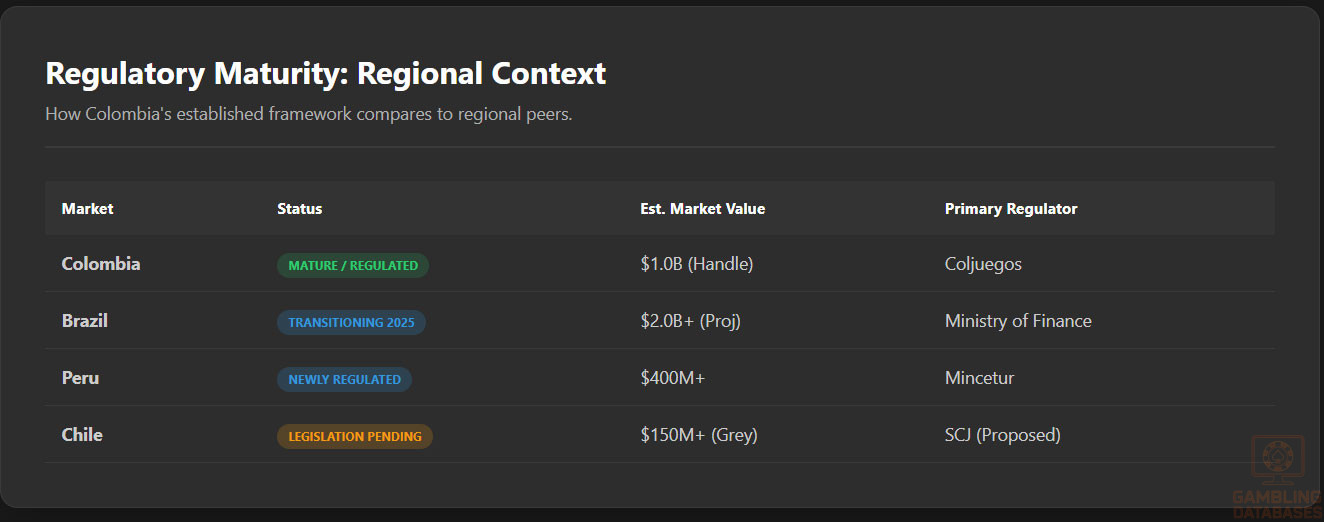
The regulatory environment is mature, overseen by the Colombian Gaming Regulatory Body (Coljuegos), providing clear pathways for market entry and sustainable operations in iGaming.
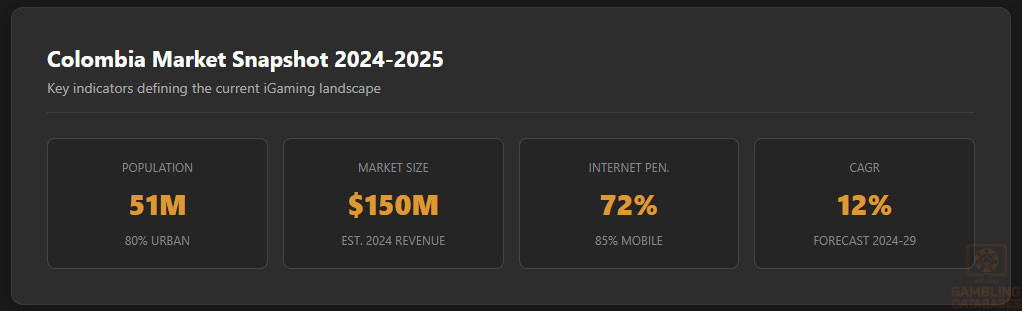
| Metric | Value |
|---|---|
| Gambling legal status | Legal and regulated |
| Regulatory authority | Colombian Gaming Regulatory Body (Coljuegos) |
| Population | 51 million (2025 est.) |
| Urban population | 80% of population |
| GDP (nominal) | $340 billion USD (2024 est.) |
| GDP per capita | $6,700 USD (2024 est.) |
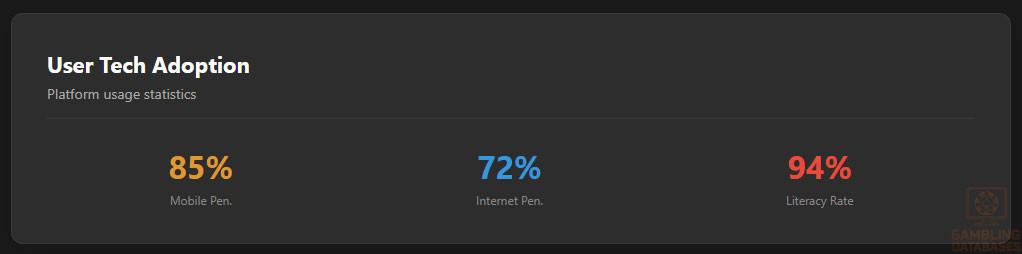
| Internet penetration | 72% (2025 est.) |
| Mobile penetration | 85% (2025 est.) |
| iGaming market size | $150 million USD (2024 est.) |
| Market CAGR | 12% (2024-2029 forecast) |
| Licensed online operators | 20+ (authorized by Coljuegos) |
| Minimum capital for license | $500,000 USD |
| License application fee | $30,000 USD |
| GGR tax rate | 20% |
| Corporate income tax | 33% |
| Player age minimum | 18 years |
| License duration | 5 years |
| Average revenue per user (ARPU) | $100 USD annually |
| Payment methods | Credit cards, e-wallets, bank transfers, prepaid cards, mobile payments |
| KYC requirements | ID verification, proof of address, source of funds documentation |
| Anti-money laundering measures | Comprehensive AML policies with real-time transaction monitoring |
| Advertising restrictions | No ads targeting minors; time restrictions applicable |
| Self-exclusion program | Mandatory operator participation |
| Physical presence requirement | Local office mandatory for licensing |
| Operator reporting frequency | Monthly financial and compliance reports |
| Enforcement penalties | Fines, license suspension, criminal prosecution |
| Responsible gambling measures | Deposit limits, session time limits, reality checks |
| Technology standards | RNG certification and platform security audits mandatory |
| Market entry timeline | 6-12 months |
| Domain restrictions | Must use .co domain or approved subdomains |
Section 1: Regulatory Framework and Legal Environment
Current Gambling Regulation Status
Colombia features a fully legalized and regulated gambling environment encompassing land-based and online gambling sectors. The Colombian Gaming Regulatory Body, known as Coljuegos, governs all gambling activities to ensure compliance, consumer protection, and integrity of operations across gaming verticals.
The legal framework covers casino games, sports betting, lotteries, horse racing, and online gaming. Each category operates under specific rules designed to enforce responsible gambling, monitor financial flows, and restrict illegal activities.

Land-Based Gambling Activities
Land-based gambling in Colombia includes physical casinos, bingo halls, horse racing venues, and regulated sports betting outlets. Casinos operate predominantly in major cities and tourist zones, offering poker, slot machines, table games, and electronic gaming machines complying with strict operational standards.

Online Gambling Framework
The online gambling segment regulated by Coljuegos has grown rapidly due to increasing internet accessibility and mobile penetration. The framework mandates licensing for all internet-based operators, including sportsbook platforms, casino games, and poker sites.
Strict prohibitions apply to unlicensed operators, with regulatory mechanisms that block unauthorized websites and enforce penalties against violations. Operators must implement player protection measures, including anti-addiction tools and KYC compliance, to receive and maintain licenses.
Licensed Operators and Market Players
The Colombian market hosts over 20 officially licensed online operators, ranging from local firms to international conglomerates. The competitive landscape is moderately concentrated, with a handful of large operators capturing the majority market share through strong branding and comprehensive game portfolios.
New entrants often pursue partnerships with established entities or backed by considerable capital owing to market entry costs and regulatory demands. Market strategies typically emphasize local adaptation, multilingual support, and responsible gaming practices aligned with Coljuegos regulations.
Licensing Framework and Requirements
Application Process and Eligibility
Coljuegos administers a rigorous application procedure for gaming licenses, intended to validate financial soundness, operational integrity, and technical competence. Applicants must satisfy conditions related to minimum capital, technical platform certification, and managerial qualifications.
Financial commitments include a minimum capital deposit of $500,000 USD and a non-refundable application fee of $30,000 USD. Licenses are valid for five years and subject to renewal upon compliance reviews.
The evaluation process includes detailed scrutiny of governance structures, source of funds, and anti-money laundering policies. Technical audits verify random number generator certification and platform security measures.
The essential application documents include the following:
- Corporate registration certificate and articles of incorporation
- Financial statements for the past three years audited by a recognized firm
- Business plan detailing market strategy and financial projections
- Technical documentation of gaming platform and RNG certification
- Criminal background checks for all directors and beneficial owners
- Proof of minimum capital deposit in a licensed bank
Local Presence and Operational Requirements
Applicants must establish a physical office within Colombia to comply with licensing mandates. This local presence requirement enables regulators to enforce oversight and ensures operators maintain transparency in their activities.
Operational obligations include employing designated compliance officers, maintaining secure data centers or approved cloud providers within jurisdictional limits, and adhering to jurisdiction-specific marketing restrictions.
Foreign ownership is permitted without explicit limits; however, operators must demonstrate local management involvement and partnership with Colombian financial institutions for payment processing.
Compliance Obligations and Monitoring
Player Protection and Identification
Regulations emphasize stringent KYC and AML compliance to safeguard player identities and financial transactions effectively. Operators must verify players’ identity documents, proof of residence, and the legitimacy of deposited funds before allowing wagering.
Responsible gambling requirements include the implementation of:
- Mandatory age verification with a minimum player age of 18 years
- Self-exclusion programs allowing players to restrict their access
- Deposit and loss limits configurable by the player
- Session time limits with mandatory breaks
- Reality checks including periodic notifications about play duration and expenditure
Financial Monitoring and Reporting
Operators are required to submit monthly reports to Coljuegos detailing gross gaming revenue, player activity, tax payments, and suspicious transactions indicative of money laundering or fraud. These reports must conform to formats prescribed by the regulator.
Audits are conducted regularly to verify the accuracy of submitted data and adherence to financial controls. Failure to comply triggers penalties including fines, temporary suspension, or revocation of license rights.
Taxation Structure and Financial Obligations
Player Taxation
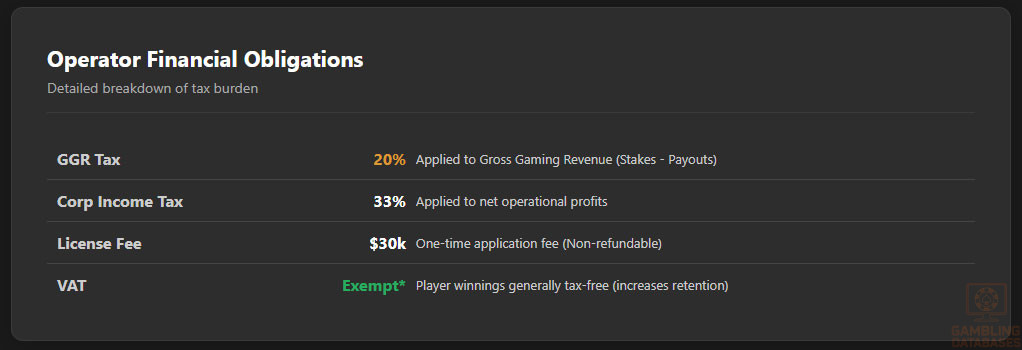
In Colombia, gambling winnings are generally not subject to direct taxation for players, simplifying participation and enhancing market attractiveness. Operators handle withholding responsibilities where applicable, according to specific game categories and prize thresholds.
Operator Taxation
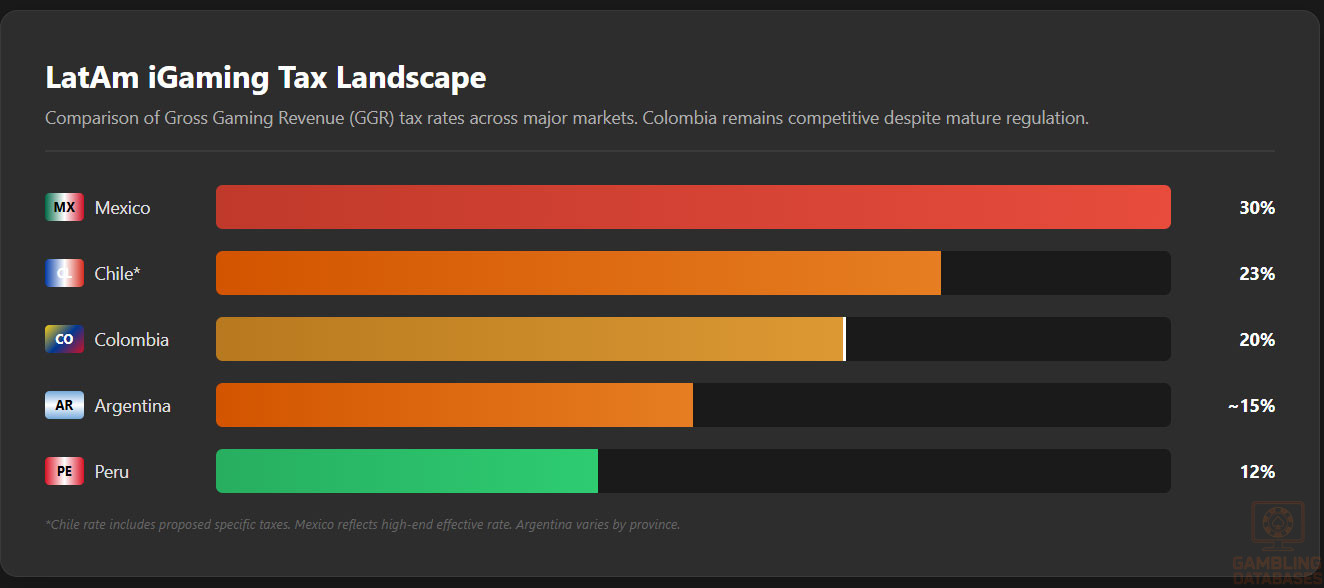
Licensed operators pay a gross gaming revenue (GGR) tax of 20% applicable to all online and land-based gaming activities. Additional corporate income tax at 33% applies to operational profits. License renewal fees and fixed annual charges complement the tax structure.
| Game Type | GGR Tax Rate | Additional Taxes |
|---|---|---|
| Online Casino Games | 20% | None |
| Sports Betting | 20% | None |
| Land-Based Casino | 20% | Fixed operational fees |
| Lotteries and Bets | 15% | Standard corporate taxes |
Gambling Market Financial Performance
The Colombian iGaming market has demonstrated steady growth, with total wagered amounts reaching approximately $1 billion USD in recent years. Payout ratios remain industry competitive, averaging around 92% across casino games and betting products.
Tax revenues derived from gaming contribute significantly to state budgets, reinforcing the market’s sustainability. Year-on-year revenue growth consistently exceeds 10%, supported by favorable internet penetration and evolving consumer preferences.
Advertising and Marketing Restrictions
Marketing activities face regulatory limits focused on protecting vulnerable groups, especially minors. Advertisements must avoid targeting underage individuals, restrict promoting excessive gambling, and comply with prescribed timeframes for broadcast and online dissemination.
- Prohibitions on ads during children’s programming or youth-targeted media
- Restrictions on bonuses and promotional offers to prevent inducement
- Mandated inclusion of responsible gaming messages
- Limitations on the frequency and volume of direct player communications
- Rules governing sponsorship in sports and public events
Recent Regulatory Changes and Their Impact
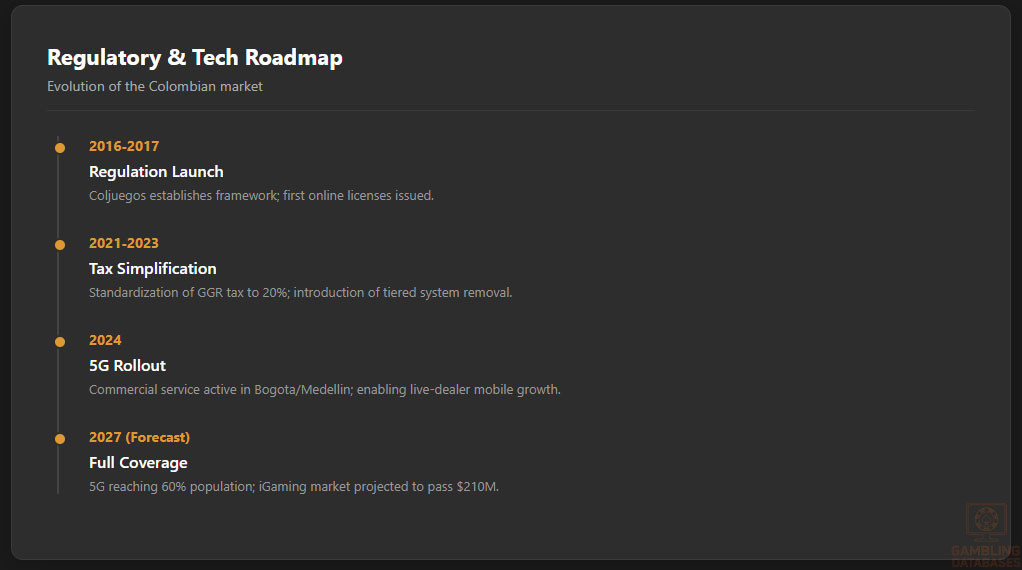
Recent years have seen updates to licensing procedures, including faster application processing and enhanced technology standards. The GGR tax rate was set uniformly at 20%, replacing previous tiered systems to simplify taxation regimes.
The regulatory emphasis on AML and KYC tightened operator compliance costs but increased market transparency and player trust. Operators adjusted strategies to invest in compliance infrastructure and local partnerships to align with evolving standards.
Enforcement Mechanisms and Penalties
Coljuegos enforces compliance through strict penalties including financial fines, suspension of operations, and criminal prosecution in severe cases. Enforcement actions have escalated against unlicensed operators through domain blocking and blacklisting.
- Monetary fines proportional to infraction severity
- Temporary or permanent suspension of licenses
- Confiscation of equipment used in illegal activities
- Criminal charges against company executives for violations
- Public disclosure of operator sanctions to ensure transparency
Section 2: Demographics and Consumer Analysis
Population Demographics and Distribution
Colombia’s total population is approximately 51 million as of 2025, with a median age of 31 years, reflecting a relatively young population compared to global averages. The gender ratio is balanced with approximately 49% males and 51% females, supporting a broad consumer base for iGaming products.
The majority of Colombians live in urban areas, with about 80% of the population residing in cities, contributing to higher digital connectivity and easier access to gambling venues. Rural areas, comprising 20% of the population, exhibit lower internet penetration but represent a potential growth segment for mobile-based gambling platforms.
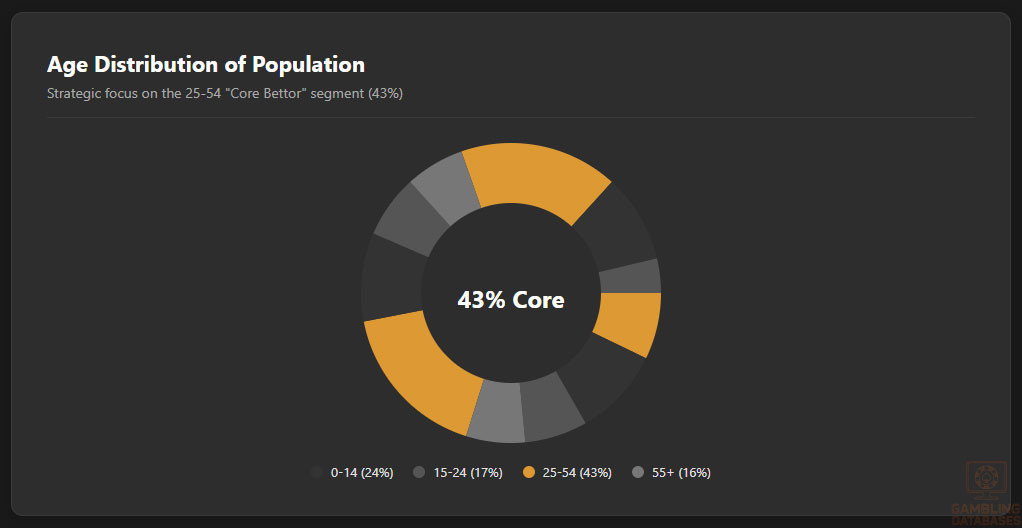
| Age Group | Percentage of Population |
|---|---|
| 0-14 years | 24% |
| 15-24 years | 17% |
| 25-54 years | 43% |
| 55-64 years | 9% |
| 65 years and over | 7% |
Urban concentration supports concentrated gambling venue presence, with major cities exhibiting the highest densities of casino and betting facilities. Internet access correlates strongly with urban residency, reinforcing target market focus on metropolitan populations.
Major Cities and Regional Economic Variation
Colombia’s economic activity and population density are unevenly distributed across its regions:
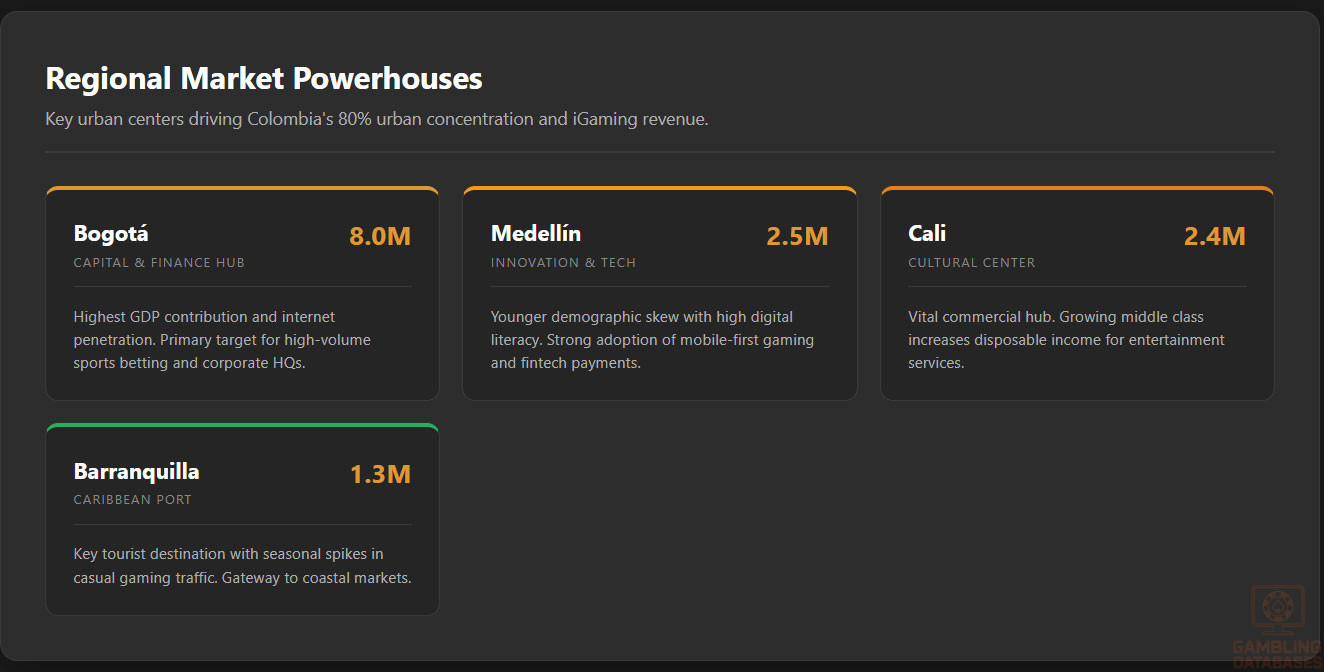
- Bogotá – 8 million inhabitants; financial and administrative capital
- Medellín – 2.5 million inhabitants; industrial and tech hub
- Cali – 2.4 million inhabitants; cultural and commercial center
- Barranquilla – 1.3 million inhabitants; key port city on the Caribbean coast
- Cartagena – 1 million inhabitants; major tourist destination
- Bucaramanga – 600,000 inhabitants; growing economic and academic city
These cities host the bulk of gambling venues and digital infrastructure. Economically, the Andean region including Bogotá and Medellín accounts for the highest GDP contribution, while coastal and rural areas experience slower growth but offer untapped markets for iGaming expansion.
Economic Indicators and Consumer Spending Power
Colombia’s GDP reached approximately $340 billion USD in 2024 with an annual growth forecast of around 3.5%, supported by diversification in services, manufacturing, and natural resources. The service sector dominates, contributing nearly 60% of GDP, including finance, retail, and telecommunications, all pivotal for iGaming adoption and payments ecosystem development.
Per capita GDP stands near $6,700 USD, positioning Colombia as an upper-middle-income country with expanding consumer disposable income. The expansion of middle-class households enhances the potential customer base for online gambling platforms due to rising discretionary spending.
| Indicator | Value |
|---|---|
| GDP (nominal) | $340 billion USD (2024) |
| GDP Growth Rate | 3.5% (2025 forecast) |
| GDP per capita | $6,700 USD |
| Inflation Rate | 4.6% |
| Unemployment Rate | 11.2% |
Income distribution in Colombia is characterized by significant inequality, with GINI coefficients around 48, yet the upper and middle classes enjoy relatively stable disposable incomes. Household income categories range widely, with a growing segment exhibiting online spending capacity aligned with iGaming affordability.
Consumer spending trends indicate increased expenditure in digital entertainment, with a notable shift towards mobile and online content consumption, creating fertile ground for iGaming product acceptance and growth.
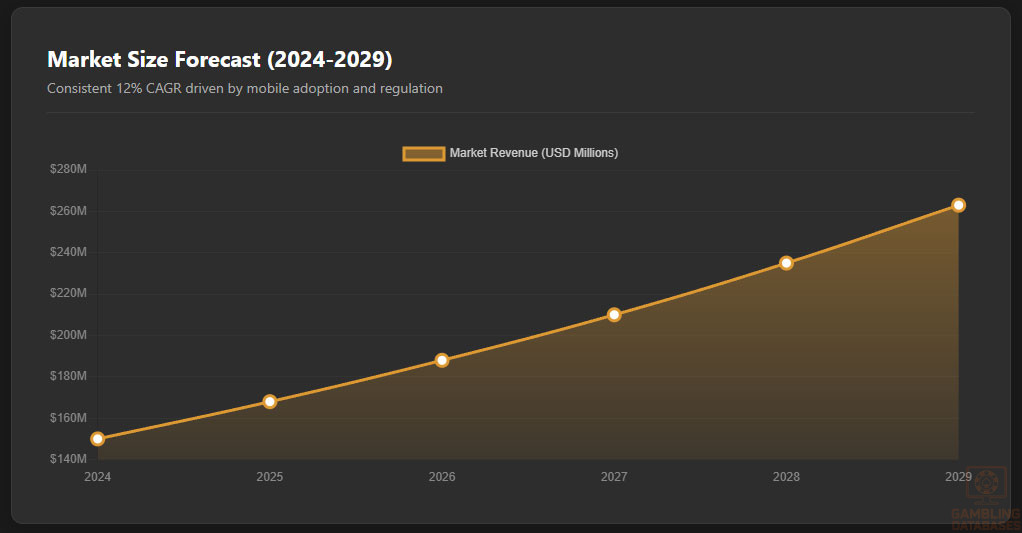
Market Size and Growth Projections
The Colombian iGaming market size was valued at approximately $150 million USD in 2024, showing a robust compound annual growth rate (CAGR) of around 12% projected through 2029. User base estimates suggest over 1.5 million regular online gamblers, driven by smartphone penetration and payment infrastructure improvements.
Average Revenue Per User (ARPU) is estimated at $100 USD annually, reflecting both casual and high-frequency player segments. Market revenue is expected to outpace inflation and GDP growth, supported by ongoing licensing, technological innovation, and increased consumer trust in regulated offerings.
| Year | Market Size (USD million) | Active Users (million) | ARPU (USD) |
|---|---|---|---|
| 2024 | 150 | 1.5 | 100 |
| 2025 | 168 | 1.7 | 102 |
| 2026 | 188 | 1.9 | 105 |
| 2027 | 210 | 2.1 | 107 |
| 2028 | 235 | 2.3 | 110 |
| 2029 | 263 | 2.5 | 112 |
Education, Skills, and Digital Literacy
Colombia enjoys a literacy rate exceeding 94%, with increasing tertiary education enrollment concentrated in urban centers. Digital literacy has expanded significantly, particularly among younger demographics, driven by national educational reforms emphasizing technology integration.
Cultural and Social Factors
Communication and Language
Spanish is Colombia’s official and overwhelmingly dominant language, spoken by over 99% of the population. Indigenous languages and regional dialects are present but represent a small fraction.
For online services and iGaming platforms, Spanish-language interfaces and customer service are critical for market penetration and user retention. Multilingual support including English is an added advantage in urban, tourist, and expatriate segments.
Cultural Attitudes
Gambling enjoys generally positive social acceptance as a form of entertainment, with both land-based and online gaming viewed as legitimate leisure activities. Religious influences vary but do not notably restrict gambling participation at the societal level.
Foreign iGaming brands benefit from perceptions of professionalism and advanced technology, provided they comply with Colombian regulations and contribute to local economic objectives.
Problem Gambling and Social Considerations
Prevalence of problem gambling is monitored closely by government and industry bodies, with estimates indicating approximately 1-3% of the population at risk. Targeted programs are in place to address addiction through education, counseling, and preventive measures.
Government response measures supporting responsible gambling include:
- Mandatory self-exclusion options on licensed platforms
- Public awareness campaigns for gambling addiction
- Support services including helplines and counseling centers
- Training programs for operator staff on identifying at-risk behavior
- Research funding to monitor social impacts of gambling
Operators contribute financially to these initiatives as part of licensing conditions, reflecting Colombia’s commitment to social responsibility in gambling regulation.
Political Structure and Governance
Colombia operates as a presidential representative democratic republic characterized by political stability and ongoing regulatory refinement. The government actively supports regulated economic sectors including iGaming, viewing them as drivers for innovation, tax revenue, and job creation.
International trade relations and treaty commitments facilitate foreign investment, fostering a favorable business environment ensuring regulatory predictability for new entrants.
Technology Adoption and Digital Behavior
Internet and Digital Usage
Internet penetration in Colombia reached approximately 72% in 2025, with daily average usage estimated at 5.2 hours. Mobile connections exceed 85% penetration, with smartphones as the dominant access device supporting mobile-first gambling experiences.
Social media engagement is wide with multiple platforms dominating user attention:
- Facebook: 78% of internet users, with average engagement of 2.3 hours daily
- Instagram: 64% penetration among youth and millennials, favoring visual content
- YouTube: Nearly 90% reach with video consumption averaging 45 minutes daily
- TikTok: Rapid growth reaching 52% penetration among under-25 users
- Twitter: Used by 31% primarily for news and real-time updates
- LinkedIn: Professional network used by 28% of working adults
Digital Payment Behavior
Digital payment adoption in Colombia is increasingly diverse, showing strong preferences for credit and debit card usage, e-wallets, bank transfers, prepaid cards, and emerging mobile payment solutions.
The most utilized payment methods for online transactions include:
- Visa and Mastercard credit/debit cards
- Local e-wallets such as Nequi and Daviplata
- Bank transfers through major Colombian banks
- Prepaid cards offered by telecom providers
- Mobile payment platforms integrated with smartphones
Cryptocurrency adoption remains nascent but growing in niche segments, encouraged by regulatory clarity and fintech innovation.
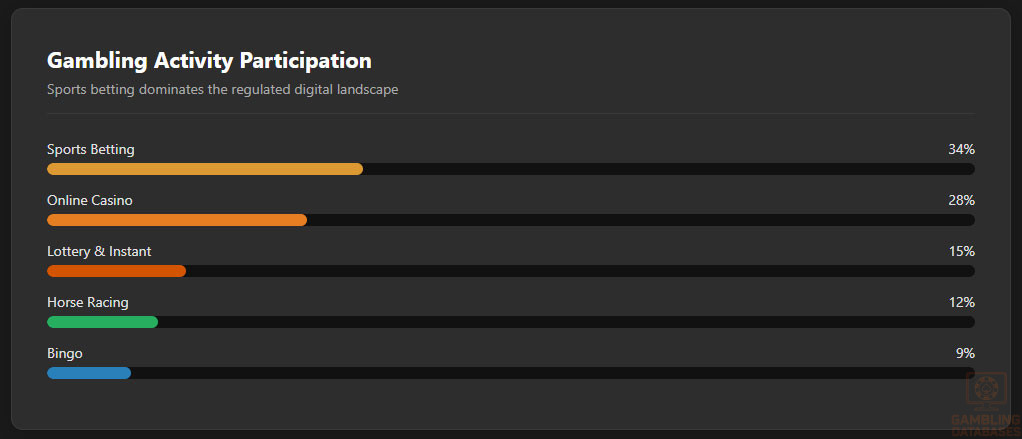
Gaming and Gambling Preferences
Current Market Participation
Colombian consumers engage in a variety of gambling activities, with sports betting, online casino games, and lotteries among the most popular. Participation rates highlight the prominence of digital formats, especially among the 25-44 age group.
| Rank | Gambling Activity | Participation Rate (%) |
|---|---|---|
| 1 | Sports Betting | 34% |
| 2 | Online Casino Games | 28% |
| 3 | Lottery and Instant Tickets | 15% |
| 4 | Horse Racing Bets | 12% |
| 5 | Traditional Bingo | 9% |
Consumer Behavior Patterns
Players demonstrate strong affinity for mobile platforms, favoring short session durations averaging 20-30 minutes per visit during peak evening hours. Retention strategies focus on personalized bonuses, local event sponsorships, and continuous content refresh to maintain engagement.
Spending is concentrated among mid-tier bettors who allocate discretionary income to diverse game offerings including slots, roulette, and football wagers. Player loyalty tends to increase with the availability of multilingual support and efficient payment processing options.
Section 3: Technology Infrastructure and Business Environment
Internet and Digital Infrastructure
Colombia’s internet penetration reached approximately 72% in 2025, supported by both fixed broadband and mobile networks. Urban areas exhibit significantly higher connectivity rates with stable broadband speeds averaging 45 Mbps, while rural zones rely primarily on 4G mobile connections with variable speeds. The telecommunications sector benefits from continuous infrastructure investment fostering improved reliability and coverage.
Broadband adoption is increasingly complemented by faster mobile internet access, which bridges gaps in fixed-line availability. The government and private sector investments have accelerated fiber optic deployment and enhanced network resilience, critical for high-traffic applications such as iGaming platforms.
5G and Future Technology Deployment
5G rollout in Colombia is progressing rapidly, with major urban centers having commercial service since 2024. Network expansion plans aim to cover at least 60% of the population by 2027. Leading operators invest in densification, spectrum acquisition, and private-public partnerships to foster next-generation mobile connectivity supporting augmented reality, live streaming, and IoT in gaming experiences.
This technological leap facilitates low-latency, high-capacity connections essential for real-time betting, video streaming, and immersive casino games, enhancing user engagement and operational efficiency for iGaming operators.
Mobile Technology Ecosystem
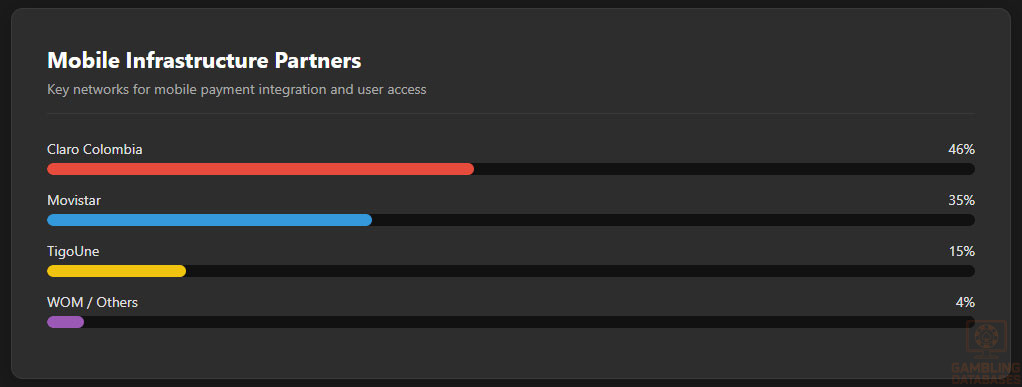
Colombia has a competitive mobile network landscape dominated by a few key players. Market share allocations reflect aggressive pricing and coverage strategies ensuring strong subscriber growth. Mobile data packages remain affordable, driving increased consumption of digital content including mobile gambling.
- Claro Colombia: Largest operator with 46% market share and extensive nationwide coverage
- Movistar Colombia: Second largest with 35% market share, strong urban presence
- TigoUne: Holding about 15% market share focusing on data-centric plans
- WOM Colombia: New entrant with 4% market share targeting youth segments
- ETB: Regional player with niche urban coverage
Smartphone penetration exceeds 75% among the adult population with mid-range Android devices dominating the market. iOS devices have a smaller but premium segment share. Consumer preference trends indicate rising demand for mobile-optimized platforms and apps offering seamless user interfaces.
Financial Services and Payment Infrastructure
Banking System Structure
The Colombian banking sector is robust and increasingly digitized. Major banks provide comprehensive online and mobile banking services enabling seamless integration with e-commerce and iGaming payment gateways. Financial inclusion efforts have expanded account penetration, benefiting digital transaction volumes.
- Bancolombia: Largest bank with over 28% market share and advanced fintech integration
- Banco de Bogotá: Second largest, serving corporate and retail clients extensively
- Bancamía: Focused on microfinance and emerging market segments
- BBVA Colombia: High adoption of mobile banking services among younger demographics
- Davivienda: Strong retail banking presence and digital platforms
Payment Processing Options
Payment diversity supports wide digital commerce adoption, including iGaming payments. Credit and debit card penetration is high, supplemented by popular e-wallets and local mobile payment platforms. Real-time bank transfers and prepaid cards provide additional flexibility to consumers and operators alike.
- Visa and Mastercard credit/debit cards widely accepted
- Local e-wallets such as Nequi and Daviplata with growing user bases
- Bank transfers via ACH systems integrated with gaming platforms
- Prepaid cards issued by telecommunications providers
- Mobile payments enabled by mobile network operators and fintech firms
E-commerce and Digital Economy
Colombia’s e-commerce market showed strong growth, valued at over $15 billion USD in 2024, supported by increasing consumer confidence in online transactions. Digital services, including entertainment and financial technology, foster trust through secure payment gateways and regulatory oversight. These factors create a conducive environment for iGaming proliferation through well-integrated digital ecosystems.
Business Environment and Regulatory Framework
Ease of Business Operations
Colombia ranks favorably in the World Bank’s Doing Business report, reflecting streamlined procedures for company registration, tax compliance, and cross-border trade. The government’s pro-investment stance and stable political environment improve operational predictability for foreign ventures.
Business registration processes are efficient, typically completed within 3-4 weeks, and foreign investors enjoy unrestricted ownership rights. Operational costs remain competitive relative to regional peers, lowering barriers to entry.
Company Registration Process
The typical company registration flow follows these steps:
- Preparation and notarization of incorporation documents, including apostille certification if foreign documents are involved
- Submission to the Commercial Registry with average processing time of 5-7 business days
- Tax registration and obtaining a tax identification number within 3-5 days
- Opening of corporate bank account with the required minimum capital deposit
Corporate Structure and Registration
Popular structures include Limited Liability Companies (LLCs), Corporations (SAs), and Branch Offices of foreign entities. LLCs are favored for flexibility and lower compliance burdens, whereas SAs suit larger operations desiring public shareholder options. Branch offices allow direct foreign firm operation but require local registration and tax compliance.
The choice hinges on business scale, liability preferences, and long-term market plans, with LLCs often recommended for iGaming startups targeting local regulatory adaptation and cost efficiency.
Required Registration Documents
- Certificate of incorporation and articles of association
- Proof of registered address within Colombia
- Identification documents for owners and directors
- Tax identification number (RUT) for the company
- Bank statements evidencing capital deposits
- Compliance certificates related to AML and KYC policies
Taxation Framework
Corporate Income Tax Structure
The standard corporate income tax rate is 33%, applicable across sectors including iGaming. Special economic zones offer reduced rates and tax holidays to incentivize investment in specific regions. Colombia’s extensive network of double taxation treaties facilitates cross-border operations and shields investors from excessive taxation.
- United States
- Spain
- Panama
- Canada
- Mexico
- Chile
- United Kingdom
Personal Income Tax
Individual tax rates are progressive, with brackets ranging from 0% to 39%, impacting high-earning players generating significant winnings or operators’ local employees. Withholding obligations apply for certain cross-border payments. Social security contributions complement income tax mandates for full labor compliance.
Market Entry Considerations
Recommended Entry Strategies
Market entry typically involves regulatory compliance, strategic partnerships with local firms, and technology platform localization. Leveraging Coljuegos-accredited software providers reduces technical approval risks. Strong marketing adaptation to Colombian cultural norms is essential for user acquisition.
- Form local partnerships for market insight and regulatory compliance
- Invest in Spanish-language, mobile-optimized platforms
- Engage accredited technology suppliers with RNG and security certifications
- Plan for compliance with AML, KYC, and responsible gambling mandates
- Develop localized payment solutions integrating popular methods
Typical Costs and Timelines
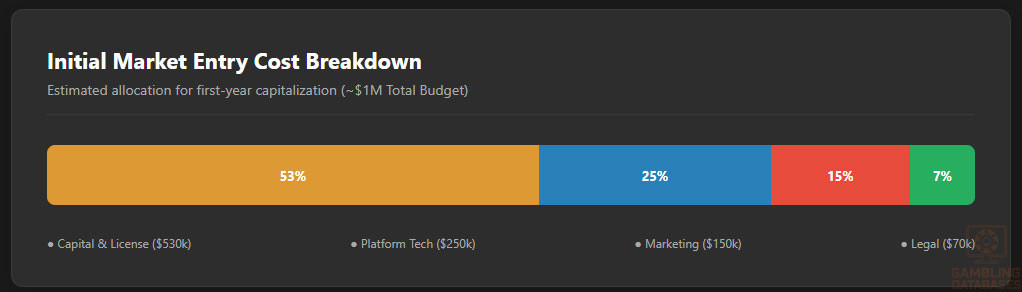
Initial market entry costs span licensing fees, capitalization, legal and consulting services, data center or cloud hosting setup, and marketing budgets. Operational costs include compliance, taxation, staffing, and ongoing technology investments.
| Category | Estimated Cost |
|---|---|
| License application and fees | $530,000 (capital + fees) |
| Legal and consulting | $70,000 – $100,000 |
| Technology and platform setup | $200,000 – $350,000 |
| Marketing and user acquisition | $150,000 – $300,000 |
| Operational compliance and reporting | $50,000 annually |
Typical licensing and launch timeline ranges from six to twelve months depending on application complexity, technical audits, and local partnerships.
Success Factors and Challenges
Key success factors include regulatory compliance expertise, strong local market understanding, advanced technology investments, and effective player protection systems. Challenges encompass navigating complex tax and reporting obligations, cultural adaptation for marketing, and technology infrastructure demands for latency and security.
- Robust KYC and AML systems aligned with local standards
- Localized platform features including payment and language
- Strong corporate governance meeting Coljuegos expectations
- Effective multi-channel marketing respecting advertising rules
- Efficient operational cost management amid tax demands
Exit Strategy Planning
Market liquidity is moderate, with regulatory provisions allowing license transfers subject to approval. Ownership changes require notifications to authorities and compliance with ongoing regulatory conditions, impacting valuation multiples affected by market growth potential and operational stability. Planning exit requires balancing operational continuity and regulatory risk management.
FAQ: Frequently Asked Questions
1. Is online gambling legal in Colombia?
Yes, online gambling is legal and regulated by the Colombian Gaming Regulatory Body (Coljuegos). The framework covers various gambling activities including online casinos, sports betting, and lotteries. Operators must obtain licenses to legally offer services, ensuring player protection and regulatory compliance.
2. What types of gambling licenses are available and what do they cover?
Colombia offers multiple license types addressing different gambling segments such as online casinos, sports betting, bingo, lotteries, and land-based casinos. Each license type mandates specific operational and technical requirements tailored to its market niche. General licenses cover all online offerings within those categories, facilitating integrated business models.
3. How much does an iGaming license cost and how long does it take to obtain?
Licensing requires a minimum capital deposit around $500,000 USD plus an application fee of approximately $30,000 USD. The approval process typically takes between six to twelve months. Duration depends on document completeness, technical platform certification, and responsiveness to regulator queries.
4. Can foreign companies obtain a gambling license?
Foreign firms can obtain licenses provided they meet local requirements including establishing a physical presence in Colombia, demonstrating financial solvency, and complying with AML and KYC standards. There are no explicit foreign ownership restrictions, enhancing Colombia’s attractiveness for international investors.
5. What are the tax obligations for iGaming operators?
Operators pay a gross gaming revenue tax of 20% plus standard corporate income tax at 33%. Additional fees include fixed annual charges and license renewal costs. Tax payments must be reported monthly with compliance audits ensuring transparency and accuracy.
6. Are gambling winnings taxed for players?
Players generally do not pay taxes on gambling winnings directly. The operator handles applicable withholding obligations where required. This approach simplifies user participation and increases regulatory compliance efficiency.
7. What are the typical operational costs for running an online casino/sportsbook?
Operational expenses include license fees, capital requirements, technology costs for platform and security, marketing budgets, and compliance reporting. Staff salaries and payment processing fees also represent substantial ongoing expenditures.
8. What is the expected ROI timeline for entering this market?
Return on investment generally occurs between 18 to 36 months after launch, influenced by marketing effectiveness, user acquisition rates, and regulatory compliance costs. Early strategic partnerships and optimized operational efficiency improve ROI prospects.
9. What are the local presence requirements for operators?
Operators must maintain a physical office within Colombia to hold a valid license. This facilitates regulatory communication and oversight. Local qualified personnel for compliance and customer support are also generally mandated.
10. What payment methods are available and recommended?
Popular payment methods include credit and debit cards, local e-wallets, bank transfers, prepaid cards, and mobile payment solutions. Integration of multiple methods enhances user convenience and retention.
11. What are the advertising and marketing restrictions?
Advertising must avoid targeting minors, includes time restrictions on media broadcasts, and mandates responsible gambling messaging. Bonus offers and sponsorships are subject to regulatory approval to prevent misleading promotions.
12. What responsible gambling measures are mandatory?
Operators must implement age verification, deposit limits, session time limits, self-exclusion options, and reality check notifications. These measures protect vulnerable players and maintain compliance with Coljuegos regulations.
13. How large is the iGaming market and what is the growth potential?
The market size was approximately $150 million USD in 2024, with a forecasted CAGR of 12% through 2029. Market growth is driven by increased internet access, mobile adoption, and regulatory support, making Colombia a promising expansion destination.
14. Who are the main competitors and what is their market share?
The market is led by over 20 licensed operators including local and international firms. Major players typically hold the majority share through brand recognition and service diversity, while new entrants rely on partnerships and niche targeting.
15. What are the player preferences and typical spending patterns?
Players prefer sports betting and online casino games, predominantly accessed via mobile devices. Average spending is concentrated among mid-tier bettors, with session lengths around 20-30 minutes. Personalized offers and local event sponsorships drive engagement.
16. What are the key success factors and main challenges for new entrants?
Success depends on regulatory compliance, local market knowledge, advanced technology, and player protection. Challenges include tax and reporting complexity, cultural adaptation, competitive marketing environment, and infrastructure investment requirements.
Sources and References
- Colombian Gaming Regulatory Body (Coljuegos) – Official Website – https://coljuegos.gov.co
- National Administrative Department of Statistics (DANE) – Population and Demographic Data 2025 – https://dane.gov.co
- Central Bank of Colombia – Financial and Economic Reports 2024 – https://banrep.gov.co
- Ministry of Finance and Public Credit – Tax Regulations and Guidelines – https://minhacienda.gov.co
- World Bank – Doing Business Report 2024 – https://worldbank.org
- International Telecommunication Union – Colombia ICT Statistics 2025 – https://itu.int
- GSMA Intelligence – Mobile Market Overview Colombia 2024
- Colombia Ministry of Information Technologies – Broadband and 5G Deployment Plans
- Colombian Association of Banks – Banking Sector Reports 2024
- Global Gaming Reports – Latin America Market Analysis 2024
- National Gambling and Social Responsibility Studies – Colombia 2024
- Telecommunications Regulatory Commission (CRC) – Colombia Sector Overview
- Institute for Applied Economic Research – Digital Economy Statistics
- Local Industry Publications and Market Intelligence Reports 2024-2025
- National Gambling Addiction and Prevention Programs – Government Publications
- Financial Times – Colombia Economic Profiles 2024
- Latin America Gaming Conference Reports and Presentations 2024
- International Monetary Fund – Colombia Economic Outlook 2025
- Academic Journals on Colombian Digital Consumer Behavior 2024
- Colombian Chamber of Commerce Reports 2024
🎯 Gambling Databases Country Rating: Colombia
| Evaluation Dimension | Score | Rating |
|---|---|---|
| Operator Ease Score | 6.2/10 | 🟡 Moderate |
| Player Access Score | 9.2/10 | 🟢 Excellent |
| Overall Market Attractiveness | 7.7/10 | 🟢 Good (But High Entry Barrier) |
This rating is calculated using the Gambling Databases Rating (GDR) methodology, which provides transparent criteria for evaluating iGaming markets worldwide. Click the link to learn how we calculate Operator Ease Score, Player Access Score, and overall market attractiveness ratings.
⚠️ CRITICAL RISK WARNINGS
READ THIS BEFORE CONSIDERING MARKET ENTRY:
- High Capital Barrier: Market entry requires a minimum capital deposit of $500,000 USD locked in a local bank, plus a $30,000 non-refundable fee. This excludes most small-to-mid-sized operators.
- Mandatory Local Presence: You cannot operate remotely. A physical office and local staff (including compliance officers) within Colombia are legal requirements.
- Aggressive ISP Blocking: Coljuegos actively monitors and orders ISPs to block unlicensed domains. Offshore operation is increasingly unviable.
- Heavy Tax Burden: The combination of 20% GGR tax and 33% Corporate Income Tax creates a high effective tax rate, squeezing margins in a low-ARPU market.
- Criminal Liability: Operating without a license can lead to criminal prosecution of executives and permanent blacklisting.
- Extradition Risk: Colombia maintains active extradition treaties with the USA and Spain, posing personal risks for executives of non-compliant entities.
📊 Operator Ease Score Breakdown
| Criterion | Weight | Score | Justification (INCLUDING ALL DEDUCTIONS) |
|---|---|---|---|
| Legal & Regulatory Framework | 30% | 2.8/3.0 | Full product legality (Casino, Sports, Poker) is a major plus (+3.0). However, the regulator (Coljuegos) is strict with enforcement mechanisms, including domain blocking and criminal penalties for non-compliance (-0.2). Final: 2.8/3.0. |
| Licensing Process | 25% | 1.2/2.5 | Licensing is available but burdensome. Process takes 6-12 months (+1.0). High capital requirement of $500,000 upfront is a significant barrier (-0.25). Application fee is substantial ($30k). Rigorous technical audits required (-0.25 for complexity). Final: 1.2/2.5. |
| Taxation & Costs | 20% | 1.0/2.0 | GGR Tax is 20% (+1.5). However, Corporate Income Tax is 33%, and there are high compliance costs. The effective tax rate on profits often exceeds 50% (-0.5). ARPU is low ($100/year), making ROI difficult despite reasonable GGR tax. Final: 1.0/2.0. |
| Operational Requirements | 15% | 0.5/1.5 | Heavy requirements. Mandatory physical office and local staff (+0.5 for heavy requirements). Local bank partnerships required. Strict KYC/AML reporting. Cannot operate as a lean remote entity. Final: 0.5/1.5. |
| Market Environment | 10% | 0.7/1.0 | Stable regulatory environment and political support (+0.7). Advertising restrictions regarding minors and time slots exist (-0.0). Generally a good environment but competitive with 20+ incumbents. Final: 0.7/1.0. |
👥 Player Access Score Breakdown
| Criterion | Weight | Score | Justification (INCLUDING ALL DEDUCTIONS) |
|---|---|---|---|
| Legal Status for Players | 40% | 4.0/4.0 | Fully legal. Players can access sports betting, casino, poker, and lottery products without legal risk. No deductions. |
| Practical Accessibility | 30% | 2.5/3.0 | Excellent payment integration (Credit cards, Nequi, Daviplata) (+3.0). Deduction for active ISP blocking of offshore sites, limiting player choice outside the licensed network (-0.5). |
| Player Penalties | 20% | 2.0/2.0 | No penalties for players. Taxation is handled at the operator level (withholding), so players generally do not face direct tax filing burdens on standard winnings. |
| Market Availability | 10% | 0.7/1.0 | Healthy market with 20+ licensed operators (+1.0). However, market is moderately concentrated with large brands dominating, and offshore options are blocked (-0.3). Final: 0.7/1.0. |
🔍 Key Highlights
Strengths
- Full Product Suite: Unlike many LatAm jurisdictions, Online Casino and Poker are fully legal alongside Sports Betting.
- Large Population: 51 million people with high mobile penetration (85%) creates a massive volume opportunity.
- Clear Regulation: Coljuegos offers a transparent, albeit expensive, path to legitimacy.
- Payment Infrastructure: High integration with local fintech (Nequi, Daviplata) and cards facilitates easy deposits.
⛔️ CRITICAL RISKS AND CHALLENGES
- Financial Barriers: The $500k capital requirement is a “gatekeeper” that blocks startups and smaller affiliates from becoming operators.
- Low ARPU: Average revenue per user is only ~$100/year ($8/month). You need massive volume to cover the high fixed costs of a local office and taxes.
- Enforcement Actions: Coljuegos actively blocks domains. Offshore operators cannot rely on passive acceptance here.
- Taxation Double-Whammy: Paying 20% on GGR and 33% on profits makes profitability challenging without scale.
- Operational Complexity: Establishing a local branch, hiring local staff, and managing local banking adds significant overhead compared to remote markets.
Player-Specific Issues
- Blocked Access: Players trying to access favorite international (unlicensed) brands will likely encounter ISP blocks.
- Withholding Tax: While generally tax-free, specific high-value winnings may be subject to withholding tax at the source.
💰 Reality Check: Can You Actually Make Money Here?
Initial Investment Required: $600,000 – $800,000 USD (Includes $500k capital, $30k fee, legal, office setup).
Monthly Operating Costs: $50,000 – $100,000+ USD (Staff, office, compliance, tech).
Effective Tax Rate on Revenue: High. 20% off the top (GGR), plus 33% on any remaining profit.
Customer Acquisition Cost: Moderate ($50-$100), but high relative to the low ARPU ($100/year).
Time to Breakeven: 24-36 months.
Time to Positive ROI: 3-4 years.
Profitability Assessment: Economics are challenging for new entrants. The math (Low ARPU + High Fixed Costs + High Tax) only works at scale. If you cannot acquire 50,000+ active players quickly, the fixed costs of the local office and compliance will bleed the company dry. Not suitable for boutique or startup operators.
⚖️ Legal Risk Assessment
| Stakeholder Type | Risk Level | Specific Risks |
|---|---|---|
| Offshore Casino Operators | 🔴 High | ISP blocking is active. Coljuegos reports illegal ops to authorities. Potential blacklisting prevents future legal entry. |
| Licensed Operators | 🟡 Medium | High compliance burden. Risk of fines for AML/KYC failures. Tax audits are frequent. |
| Affiliates/Advertisers | 🟡 Medium | Promoting unlicensed sites can lead to regulatory scrutiny. Advertising laws regarding minors are strict. |
| Payment Processors | 🔴 High | Must be integrated with the local banking system. Processing for unlicensed sites is illegal and monitored. |
| Company Directors/Executives | 🟡 Medium | Criminal liability exists for illegal gambling operations. Extradition treaties are in place. |
🚨 Extradition and International Enforcement
Extradition Treaties: Colombia has active extradition treaties with the United States, Spain, United Kingdom, and several other nations.
Enforcement History: Colombia cooperates with international agencies on money laundering and financial crimes. While extradition purely for gambling offenses is rare, charges are often bundled with money laundering.
Safe Jurisdictions: Few. Colombia’s international reach is significant due to its war on drugs/trafficking, meaning financial monitoring is world-class.
📋 Final Verdict
Colombia receives an Operator Ease Score of 6.2/10 and a Player Access Score of 9.2/10, resulting in an overall market attractiveness rating of 7.7/10.
HONEST ASSESSMENT: Colombia is a “Gold Standard” market in LatAm, but that status comes with a premium price tag. The requirement for $500,000 in locked capital and a mandatory physical local office makes this market unviable for 90% of operators. It is a playground strictly for large, well-capitalized international firms or strong local conglomerates. The low ARPU ($100/year) means you need massive volume to cover the high regulatory overhead.
✅ Who Should Enter / ❌ Who Should Avoid
✅ Consider Entry If You Are:
- A major international operator with $5M+ available capital.
- Willing to establish a permanent physical presence (office + staff) in Bogotá.
- Capable of sustaining losses for 2-3 years while building a massive volume database.
- Looking for a fully legal, “white” market to boost corporate valuation.
❌ Definitely Avoid If You Are:
- A startup or mid-sized operator with limited budget (under $1M).
- Looking for a remote-only operation (Local office is mandatory).
- An offshore operator hoping to fly under the radar (ISP blocking is active).
- Expecting high player values (ARPU is low compared to Europe/NA).
- Unwilling to undergo invasive financial and criminal background checks.
⚠️ BOTTOM LINE: A stable and legal market, but the high entry costs and low player value make it a “volume trap” where only the biggest operators can survive the overhead.







Looking at the market trends, I think it’s crucial to consider customer preferences when developing pricing strategies for sports betting operators in New York, with a focus on package sizing and marketing tactics that drive sales, such as offering competitive odds and promotions to attract recreational players.
Regarding customer preferences in the New York sports betting market, our research suggests that players are drawn to operators offering a wide range of betting options, including live betting and prop bets, as well as user-friendly mobile apps and competitive pricing, which can be achieved through data-driven pricing strategies and targeted marketing campaigns.