

Japan’s iGaming market presents a complex paradox: a technologically advanced, high-internet-penetration consumer base with strong gaming culture paired with a highly restrictive regulatory environment that prohibits online gambling. The country’s legal framework permits only limited forms of gambling under strict government control, primarily through integrated land-based resort casinos and state-licensed betting.
Despite these constraints, Japan’s ongoing investments in integrated resorts and changing anti-gambling regulations shape a cautiously expanding market with significant long-term potential for regulated operators. Understanding the legal and regulatory environment is essential for market entry success.
Executive Summary: Key Market Indicators
| Metric | Value |
|---|---|
| Population | Approx. 125 million |
| Median Age | 36 years |
| GDP (Nominal) | ~$5 trillion USD (2025 estimate) |
| Average Household Income | ¥5.5 million (~$40,000 USD) |
| Internet Penetration | ~93% |
| Mobile Internet Penetration | ~85% |
| Land-Based Gambling Legality | Legal under strict conditions (Integrated Resorts, pari-mutuel betting) |
| Online Gambling Legality | Illegal for residents; use of offshore sites penalized |
| Regulatory Authority | Japan Casino Regulatory Commission (JCRC) |
| Number of Licensed Integrated Resort (IR) Casinos | Up to 3 IRs nationwide (1 casino per IR) |
| License Duration (Casino Operators) | 3-year term, renewable |
| Licensing Application Time | Undisclosed, multi-phase vetting process |
| License Application Fee | Undisclosed, considered substantial |
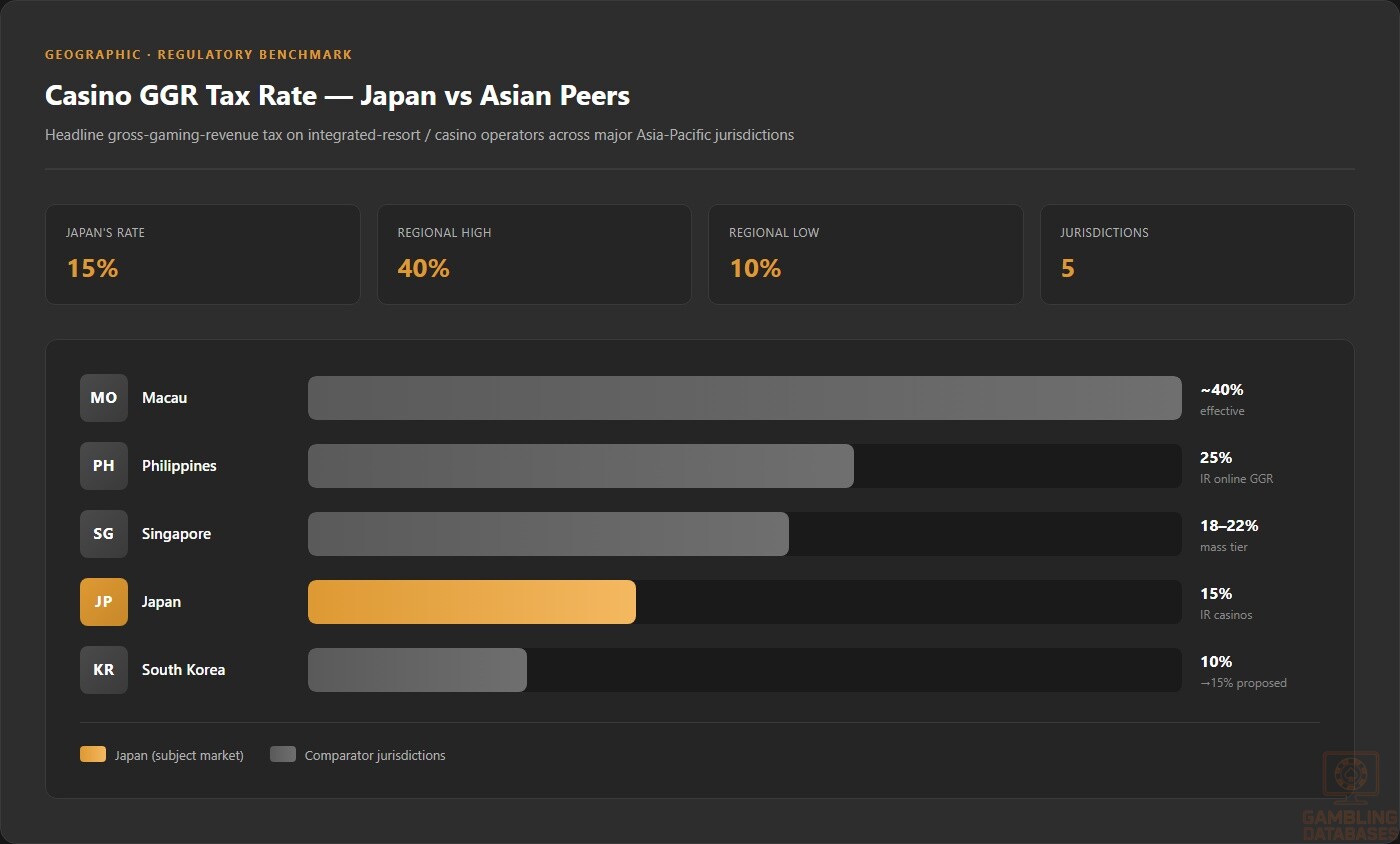
| GGR Tax Rate for Operators | 15% on gross gaming revenue for IR casinos |
| Corporate Income Tax | 23.2% standard rate |
| Player Taxation (Gambling Winnings) | Classified as miscellaneous income; progressive rates 5%–45% |
| Market Size (Total Gambling 2024) | ~$24 billion USD |
| Online Gambling Market Size (2024, largely offshore) | ~$8.1 billion USD |
| Online Gambling Market Growth Forecast (CAGR) | 5.3% through 2033 |
| Estimated Online Casino Players | 2–3.4 million (unregulated offshore users) |
| Responsible Gambling Regulations | Strict KYC, player limits, self-exclusion supported |
| Advertising Restrictions | Comprehensive ban on promotion of illegal online gambling |
| Compliance Monitoring Agencies | JCRC, National Police Agency (NPA), Financial Services Agency (FSA) |
| Penalties for Illegal Online Gambling | Fines up to ¥500,000; imprisonment up to 3 years for players |
| Payment Processing Restrictions | Strict controls; blocking transfers to illegal casinos enforced |
Section 1: Regulatory Framework and Legal Environment
Current Gambling Regulation Status
Japan’s gambling regulation is among the world’s strictest, balancing a deep-rooted gaming culture with rigorous legal controls. Gambling is generally prohibited under the Penal Code, except for certain state-sanctioned activities like horse racing, bicycle racing, boat racing, and lotteries. Pachinko operates in a grey area legally, functioning as a game of skill due to regulatory nuances.
The major legal innovation in recent years has been the introduction of Integrated Resorts (IRs) under the Integrated Resort Development Act. IRs include land-based casinos linked to hotels and convention centers and operate under strict licensing and regulatory supervision by the Japan Casino Regulatory Commission (JCRC).
Online gambling remains explicitly illegal. The Penal Code criminalizes participation in any form of online gambling for residents, even if the online operator is licensed abroad. Recent amendments to gambling laws have increased enforcement against users, operators, payment facilitators, and content promoters involved in illegal online gambling activities.
Land-Based Gambling Activities
Land-based gambling in Japan is limited to regulated forms including:
- Integrated Resort casinos (IRs) approved for up to three locations nationwide
- Pari-mutuel sports betting on horse racing, bicycle racing, and boat racing
- National lotteries
- Pachinko parlors operating under non-gambling classification
- Slot machine halls under tight controls within IRs
IR casino licenses are granted for three years and are renewable upon review. Operators face rigorous background checks and must comply with strict operational standards designed to exclude organized crime influence, particularly from Yakuza networks. Casinos must also adhere to physical and social distancing mandates and restrict access for frequent players to reduce addiction risks.
Online Gambling Framework
Japan enforces a complete ban on online gambling for residents. Use of offshore online casinos, including foreign-licensed operators, is subject to criminal penalties for both players and operators. The government aggressively targets payment processing networks to block transactions linked to illegal gambling sites.
Recent legislative amendments explicitly prohibit websites, programs, or mobile apps that provide access to illegal online gambling or promote participation within Japan. These changes also extend to intermediaries, affiliates, and social media content creators who direct traffic to overseas online casinos.
Enforcement responsibility is shared among the Japan Casino Regulatory Commission, National Police Agency, Financial Services Agency, and Ministry of Economy, Trade and Industry, focusing on industry coordination and public awareness campaigns to reduce demand and illegal activity.
Licensed Operators and Market Players
The Japanese legal market currently includes a limited number of licensed integrated resort operators selected through local government bidding processes. Each IR operator holds a renewable three-year license issued by the JCRC, which supervises all aspects of casino operation including management, facility standards, and financial health.
Market entrants face substantial barriers due to licensing exclusivity, rigorous social credibility checks, and operational constraints designed to minimize social harms. The competitive landscape in the legal space is nascent but highly monitored, with a focus on tourism promotion rather than gambling expansion.
Licensing Framework and Requirements
Application Process and Eligibility
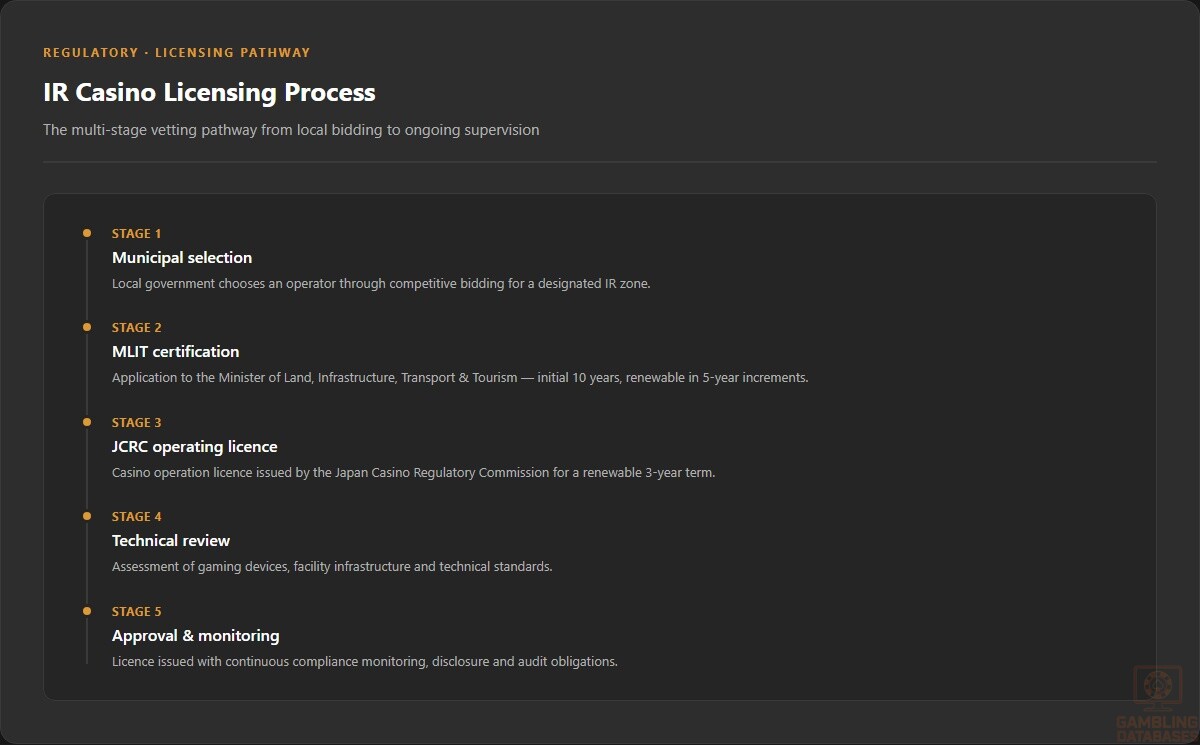
The licensing authority is the Japan Casino Regulatory Commission. Applicants undergo a multi-stage evaluation process assessing their financial stability, human resources capabilities, business plans, and social credibility. Background checks extend to all executives, shareholders, and associated entities ensuring exclusion of criminal affiliations.
The process includes:
- Local municipality selection through competitive bidding for casinos in designated IR zones
- Application to the Minister of Land, Infrastructure, Transport and Tourism for certification (initial 10 years, renewable in 5-year increments)
- Submission of licensing application to the JCRC for casino operation license (3-year term)
- Review of technical standards including gaming devices and facility infrastructure
- Final approval and issuance of license with ongoing compliance monitoring
The licensing fees are undisclosed but known to be substantial, reflecting the complexity and exclusivity of the process.
Local Presence and Operational Requirements
Licensed operators must maintain offices within Japan and comply with strict physical presence mandates in the jurisdictions where they operate. Foreign ownership is permitted without residency requirements, but all key executives and entities undergo intensive vetting.
Casino operations require continuous disclosure of ownership structures and key personnel. Operators must comply with data localization requirements, domain registration rules, and ensure local technical support. Partnership with local stakeholders is encouraged to meet regulatory expectations on social responsibility and community contributions.
Compliance Obligations and Monitoring
Player Protection and Identification
Japan imposes strong player protection standards including mandatory age verification and comprehensive KYC/AML procedures. Operators must implement responsible gambling measures such as self-exclusion programs, deposit limits, and playtime restrictions.
The regulatory framework mandates transparent disclosure of odds, payout percentages, and information on gambling addiction resources. Operators are expected to collaborate with government initiatives to raise public awareness and reduce harm.
- Mandatory identity verification prior to account creation
- Verification of age and residency to prevent underage gambling
- Implementation of anti-money laundering controls aligned with FATF standards
- Self-exclusion options and player cooling-off periods
- Regular audits and reporting on responsible gambling compliance
Financial Monitoring and Reporting
Operators must establish robust transaction monitoring systems to detect suspicious activity. Comprehensive financial reporting to the JCRC and other relevant authorities is required, including monthly revenue declarations, tax remittances, and audits by licensed external firms.
- Record and monitor all player transactions daily
- Report gross gaming revenue and operational metrics monthly
- Submit tax calculations with supporting documentation quarterly
- Undergo annual independent audits with findings submitted to regulators
Taxation Structure and Financial Obligations
Player Taxation
Gambling winnings are taxed as miscellaneous income under Japanese tax law. Players must report wins from all gambling activities, including illegal offshore gambling, with tax rates ranging progressively from 5% to 45% depending on total income. Losses are not deductible against winnings.
Operator Taxation
| Tax Type | Rate | Applicable To |
|---|---|---|
| Gross Gaming Revenue (GGR) Tax | 15% | Integrated Resort casino operators |
| Corporate Income Tax | 23.2% | Standard corporate profits |
| License Renewal Fees | Undisclosed fixed fees | Casino license renewals every 3 years |
| Turnover Tax | None currently applied | Not applicable to gambling turnover |
Gambling Market Financial Performance
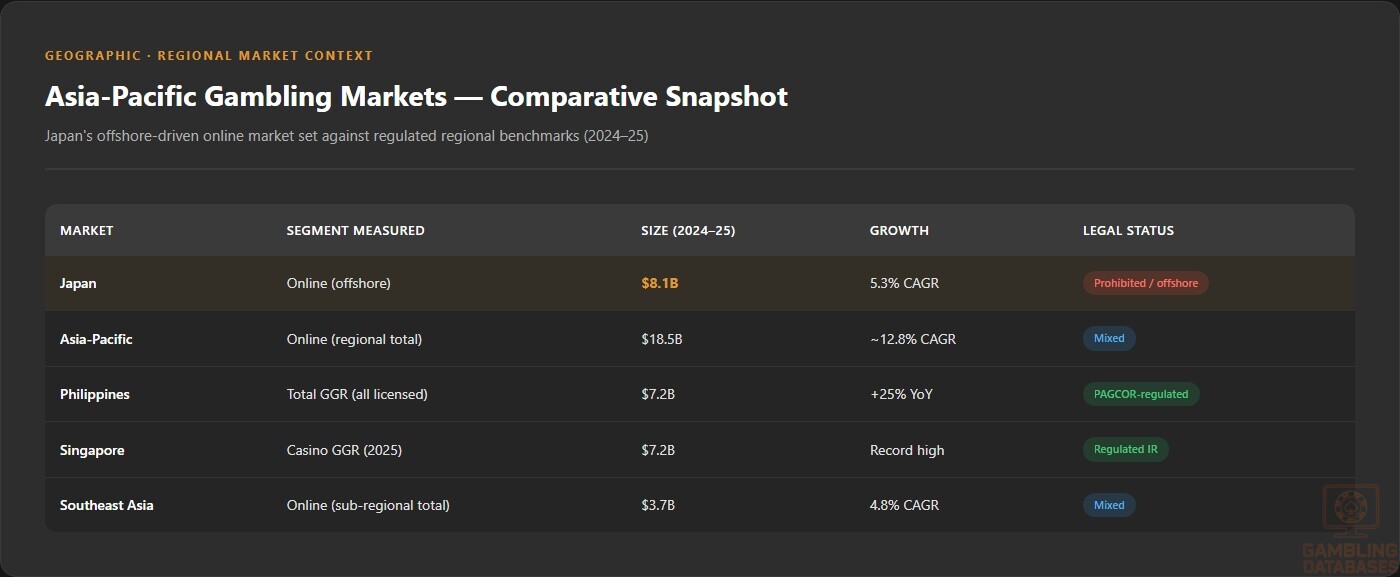
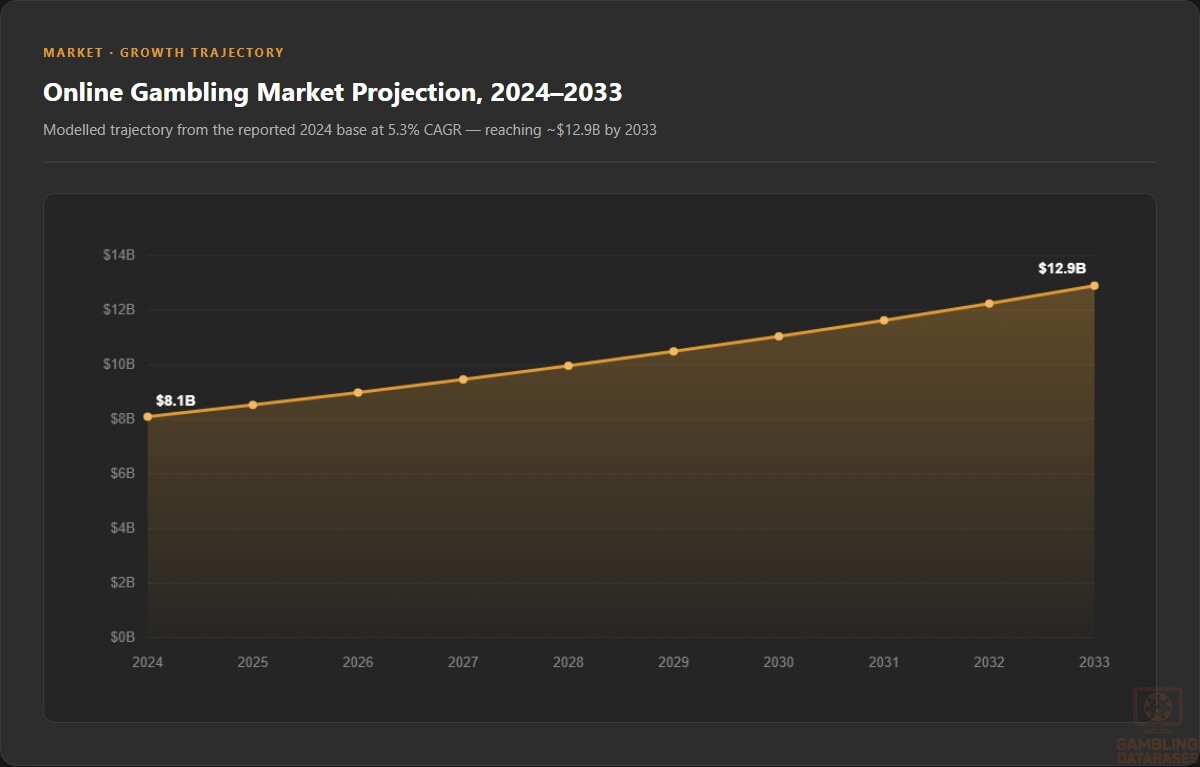
Japan’s total gambling market, including state-approved betting and IR casinos, exceeded $24 billion in 2024. The offshore online gambling market is estimated at approximately $8.1 billion despite prohibition. Growth rates for regulated segments remain steady, with forecasted CAGR of 5.3% through 2033 for online betting, signaling opportunity post-regulatory evolution.
Government tax revenues from gambling have increased due to higher compliance enforcement and maturing IR operations. The dual market of legal land-based and illegal online gambling creates both challenges and opportunities for operators and regulators.
Advertising and Marketing Restrictions
The 2025 amendments introduced comprehensive bans on advertising and promotion of illegal online gambling platforms. Marketing through social media, video platforms, and affiliate referral sites targeting Japanese players is prohibited. Physical and digital advertising for IR casinos is allowed but tightly regulated to prevent inducement of problem gambling.
- Ban on online casino advertisements targeting residents
- Prohibition on affiliate site operations and referral bonuses
- Restrictions on sponsorship deals linked to gambling promotions
- Mandatory warnings and disclosures on all legal gambling ads
- Time-of-day and placement restrictions to limit exposure to minors
Recent Regulatory Changes and Their Impact
Since 2024, Japan has intensified enforcement against illegal online gambling through multiple legislative revisions. These changes include criminalization of online casino use, expanded authority for the National Police Agency, and stricter controls on payment services. The impact for market entrants includes heightened compliance costs, increased barriers to offshore operators, and a renewed focus on responsible gambling practices.
Enforcement Mechanisms and Penalties
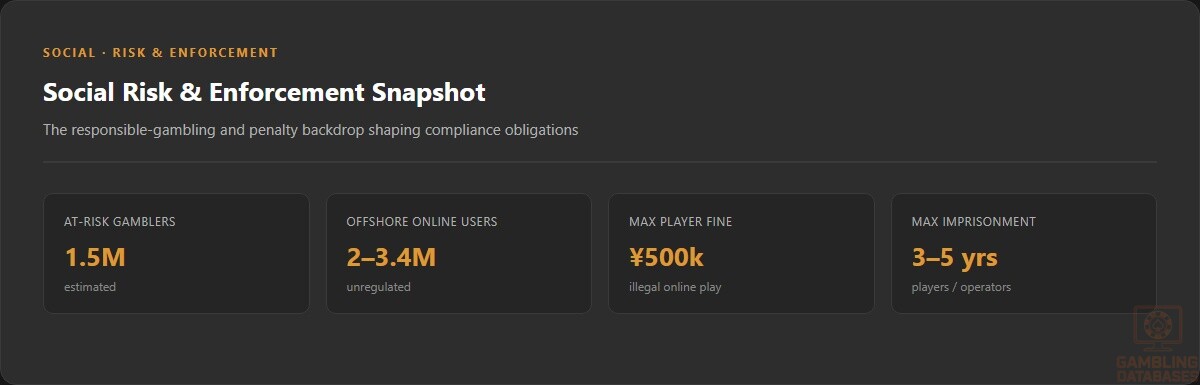
Penalties for violation of gambling laws range from administrative fines to criminal imprisonment. Players engaging in illegal online gambling face fines up to ¥500,000 or incarceration for up to three years. Organizers and facilitators risk harsher penalties including imprisonment for up to five years. Regulatory agencies conduct regular audits, cyber patrols, and cooperate with financial institutions to block illicit transactions.
- Monetary fines for illegal gambling participation
- Imprisonment terms for repeated or serious offenses
- License revocations and suspensions for non-compliance
- Financial penalties for payment processors facilitating illegal gambling
- Administrative sanctions on affiliated marketing entities
Section 2: Demographics and Consumer Analysis
Population Demographics and Distribution
Japan’s population as of 2025 is approximately 123 million, continuing its trend of gradual decline due to low birth rates and an aging society. The median age has risen to about 49.8 years, reflecting one of the world’s oldest populations, with a higher proportion of elderly citizens over 65 years old compared to younger cohorts.
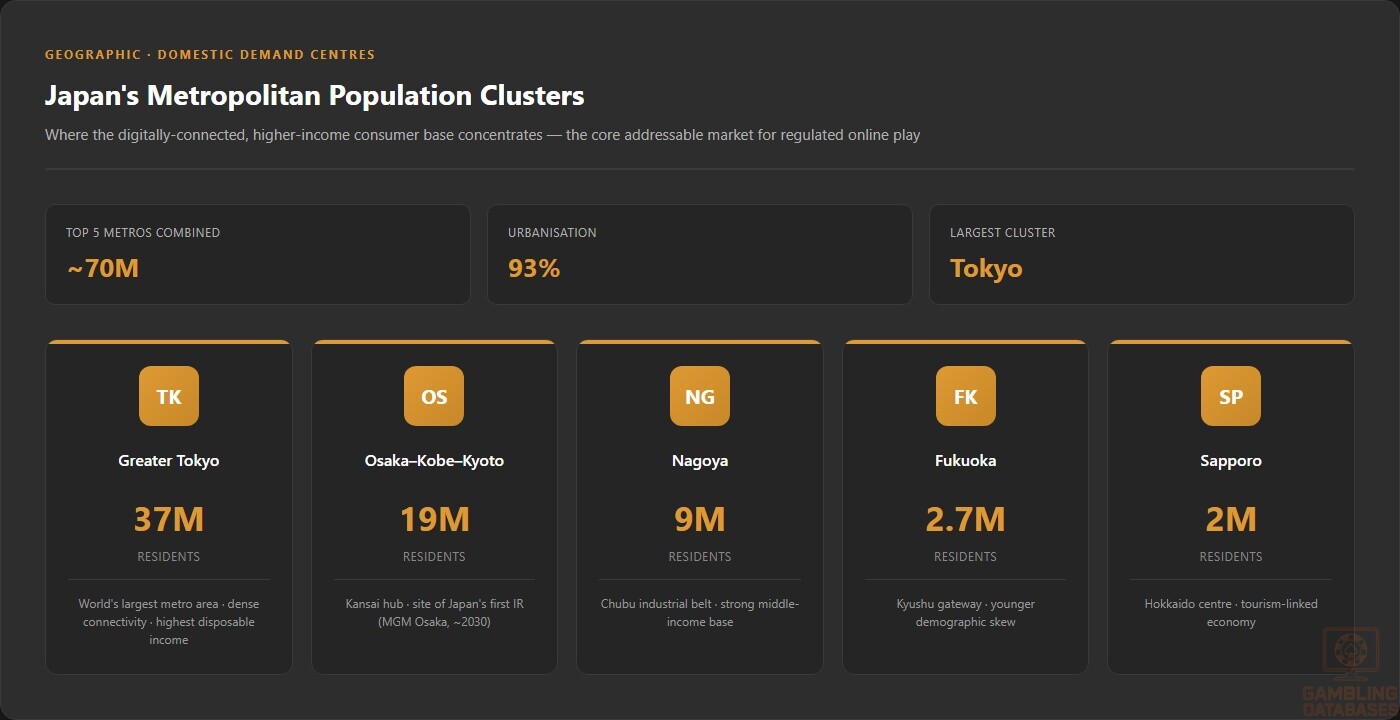
Gender distribution shows a slight predominance of females, with a ratio of roughly 949 males per 1,000 females. Urbanization is high, with more than 93% of the population living in urban areas, concentrated especially in metropolitan centers like Tokyo and Osaka.
| Age Group | Percentage of Population |
|---|---|
| 0-14 years | 12.4% |
| 15-64 years | 57.6% |
| 65 years and older | 30.0% |
The demographic imbalance poses challenges for long-term market growth and consumer base expansion in sectors such as iGaming, where younger and middle-aged adults form the core customer segments. Rural areas are characterized by population shrinkage and older age profiles, while urban centers show more dynamic demographics with higher disposable incomes.
Major metropolitan areas serve as hubs of economic activity and digital connectivity, facilitating access to online services and entertainment options, including gambling venues and digital casino platforms.
- Tokyo metropolitan area: Over 37 million people
- Osaka-Kobe-Kyoto: Approximately 19 million
- Nagoya metropolitan area: Around 9 million
- Sapporo metropolitan area: Over 2 million
- Fukuoka metropolitan area: Around 2.7 million
Economic Indicators and Consumer Spending Power
Japan maintains a robust economy with a projected nominal GDP of approximately $5 trillion USD in 2025. Economic growth is modest, with forecasts around 0.4% to 0.7% annually, reflecting mature market dynamics and structural challenges.
The economy is service-oriented, composing roughly 70% of GDP, followed by manufacturing and agriculture sectors. Consumer spending remains a significant driver, supported by rising wages, though tempered by cautious consumer sentiment amid an aging workforce.
Average household income stands near ¥5.5 million (about $40,000 USD), with disposable income levels varying significantly by region and age group. Income inequality is relatively moderate but rising, influencing consumption patterns across demographic segments.
Japan’s consumer market favors technology-driven and convenience-oriented spending, with increasing online shopping and digital services adoption seen across urban centers.
| Indicator | Value |
|---|---|
| GDP (Nominal) | $5 trillion USD |
| GDP Growth Rate Forecast | 0.4% – 0.7% |
| Average Household Income | ¥5.5 million (~$40,000 USD) |
| Service Sector Contribution to GDP | ~70% |
| Unemployment Rate | 2.5% |
The iGaming market’s consumer potential is linked closely to the size of younger and middle-aged working populations with discretionary income, predominantly located in urban centers with advanced technology infrastructure.
Market Size and Growth Projections
The broader gambling market in Japan, including land-based and unregulated online segments, is estimated at over $24 billion USD as of 2024. The unregulated online iGaming sector, dominated by offshore operators, is valued around $8.1 billion USD, reflecting significant user interest despite legal limitations.
Forecast models project a compound annual growth rate (CAGR) of approximately 5.3% through 2033 for the online iGaming segment. Active offshore online casino users are estimated between 2 to 3.4 million individuals, representing a sizeable latent market for licensed operators post-regulation changes.
The average revenue per user (ARPU) in the online market varies by product but is generally comparable to regional Asian benchmarks, driven by high mobile penetration and consumer willingness to spend on digital entertainment.
| Metric | Value |
|---|---|
| Total Gambling Market Size (2024) | $24 billion USD |
| Online Gambling Market Size (2024, offshore) | $8.1 billion USD |
| Online Gambling Market CAGR (2024-2033) | 5.3% |
| Estimated Online Casino Users | 2–3.4 million |
| Average Revenue Per User (ARPU) | Approximately $1,000 USD/year |
Education, Skills, and Digital Literacy
Japan exhibits near-universal literacy with a highly educated workforce, supported by a rigorous education system emphasizing technology and innovation. Over 50% of the workforce holds tertiary education degrees, and technical skill levels are among the highest worldwide.
Digital literacy rates are exceptionally high, with widespread use of smartphones, computers, and internet services across all age groups, especially in urban areas. This creates a favorable environment for digital entertainment consumption, including online gaming and casino platforms.
Cultural and Social Factors
Communication and Language
Japanese is the dominant language throughout the country, used in all business and everyday communications. Internet usage is primarily focused on Japanese-language content, though younger populations show fluency in English and consume multilingual digital media.
Cultural Attitudes
Gambling is culturally complex in Japan, historically associated with caution and social stigma, largely attributable to gambling addiction concerns and regulatory strictness. Public acceptance of legalized land-based gambling is increasing gradually, especially around integrated resort development linked to tourism and economic revitalization.
Foreign brands in gambling and entertainment gain consumer interest due to novelty and perceived quality, though trust depends on strict regulatory compliance and social responsibility visible in operations.
Problem Gambling and Social Considerations
Problem gambling is a recognized social issue, with an estimated 1.5 million individuals classified as at-risk gamblers. Recent government initiatives target rising addiction concerns, especially linked to online gambling’s growth during the COVID-19 pandemic.
- Implementation of nationwide self-exclusion programs
- Expansion of addiction counseling and rehabilitation services
- Public education campaigns via media and schools
- Regulatory mandates for operator responsible gambling tools
- Financial monitoring and intervention by authorities
- Collaboration with healthcare and community organizations
Political Structure and Governance
Japan operates a stable parliamentary democracy with strong regulatory institutions. Political stability, transparent governance, and consistent policy frameworks provide a supportive environment for foreign business investment, albeit within strict regulatory boundaries for gambling sectors.
International relations favor open trade and technological collaboration, promoting confidence for multinational iGaming operators considering market entry.
Technology Adoption and Digital Behavior
Internet and Digital Usage
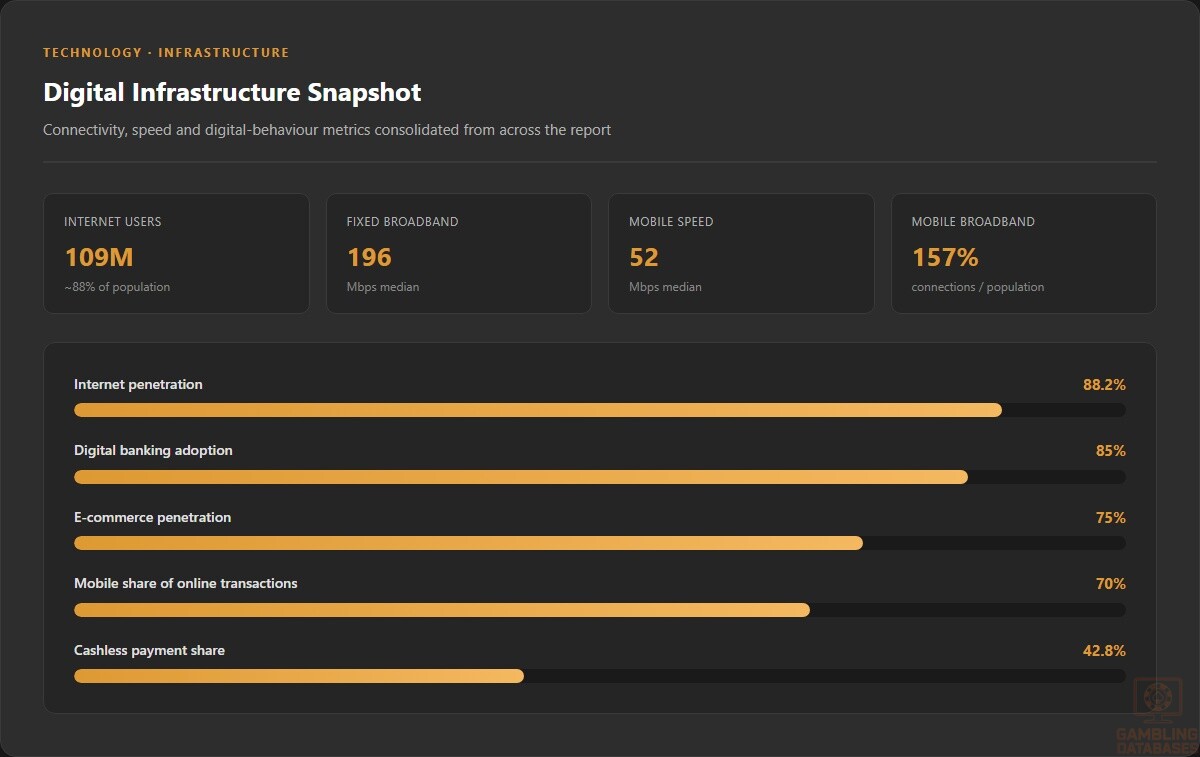
Japan has a high internet penetration rate of approximately 88.2%, with more than 109 million internet users in 2025. Mobile broadband connections exceed total population numbers at around 157%, reflecting widespread use of multiple devices per individual.
Average internet connection speeds are competitive globally, with median fixed broadband download speeds near 196 Mbps, and median mobile internet speeds around 52 Mbps. Daily internet usage averages exceed four hours, reinforcing digital engagement and service adoption potential.
Social media engagement is broad and diverse, with multiple platforms popular among different demographics.
- YouTube with highest penetration and daily usage
- Twitter popular among news and politics followers
- Instagram widely used by younger demographics
- LINE as a dominant messaging and social app
- TikTok rapidly growing among under-30 users
- Facebook maintains presence, primarily older audiences
Digital Payment Behavior
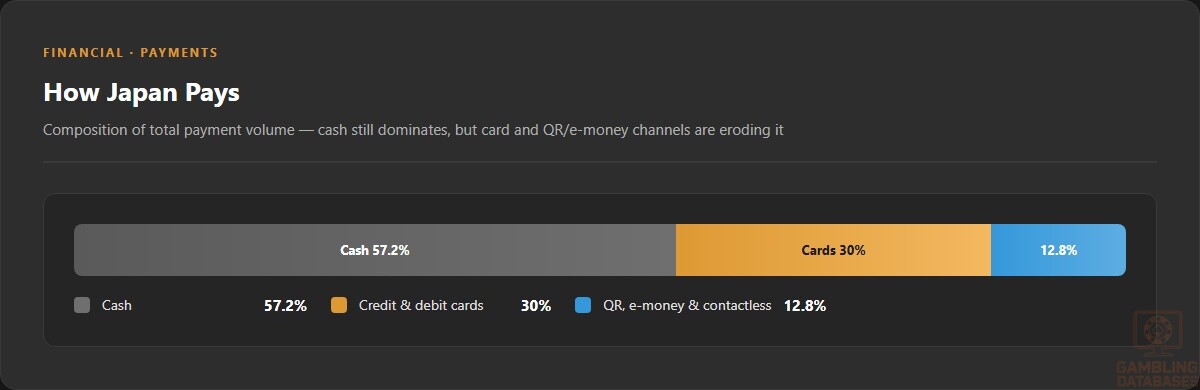
Digital payments in Japan are growing swiftly but trail behind other Asian markets in cashless adoption, with about 42.8% of payments now cashless as of 2024. Credit cards remain dominant, followed by QR code payments and electronic money services.
- Credit cards (~30% market share)
- QR code payments (fastest growth)
- E-money services
- Debit cards (modest growth)
- Contactless mobile wallets (increasing adoption)
Cryptocurrency adoption is limited but gradually emerging among tech-savvy segments and younger consumers.
Gaming and Gambling Preferences
Current Market Participation
Gambling popularity is concentrated in traditional betting on horse racing, pachinko, and lotteries. Online gambling penetration remains restricted by legal constraints but shows latent demand for casino games, slots, and sports betting outside regulated frameworks.
- Lottery and public betting on horse racing
- Pachinko and slot machines
- Sports betting (limited legal formats)
- Offshore online casino gaming (illegal but prevalent)
- Emerging eSports betting interest
Participation rates in legal land-based gambling vary by region, with urban populations more engaged due to accessibility. Offshore online gambling draws younger demographics using digital platforms, often through smartphones.
Consumer Behavior Patterns
Japanese consumers emphasize convenience, security, and privacy in gambling expenditures. Peak participation aligns with evenings and weekends, with average session lengths relatively short but frequent repeat visits.
Retention is driven by loyalty programs, game variety, and seamless mobile user experience. Social responsibility messaging and self-limitation tools gain traction as trust becomes a market differentiator under increased regulatory scrutiny.
Section 3: Technology Infrastructure and Business Environment
Internet and Digital Infrastructure
Japan boasts an advanced and highly developed internet infrastructure, with internet penetration rates reaching approximately 88.2% of the population. Broadband connectivity is widespread, with average fixed broadband speeds near 196 Mbps, and mobile speeds around 52 Mbps.
The country’s network infrastructure exhibits remarkable reliability, supported by extensive fiber-optic deployment and investments from leading telecom providers. These investments ensure low latency and high uptime, crucial for online gaming and digital transactions, including iGaming activities.
5G and Future Technology Deployment
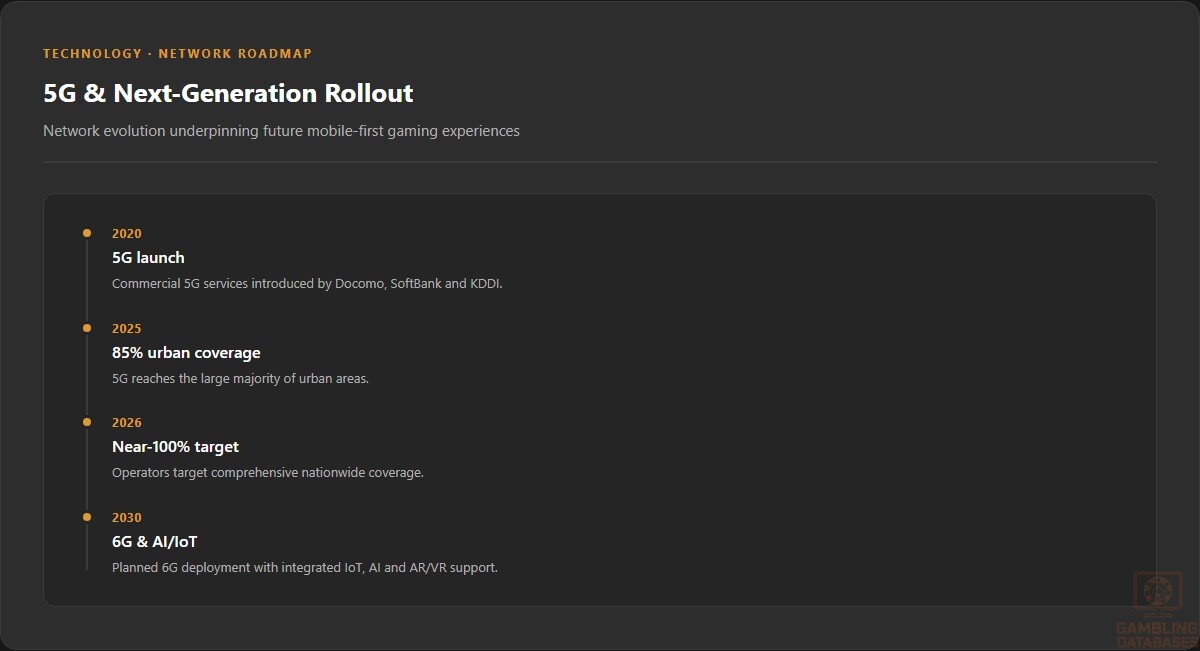
Japan’s 5G rollout began in 2020, with coverage now reaching over 85% of urban areas. Major network operators such as NTT Docomo, SoftBank, and KDDI have planned comprehensive expansion, targeting near-100% coverage by 2026.
Future plans include deploying 6G technology by 2030, integrating IoT and AI solutions to support smart cities and innovative digital services. These advancements will bolster mobile gambling experiences, AR/VR integration, and secure data handling for operators.
Mobile Technology Ecosystem
Mobile Network Infrastructure
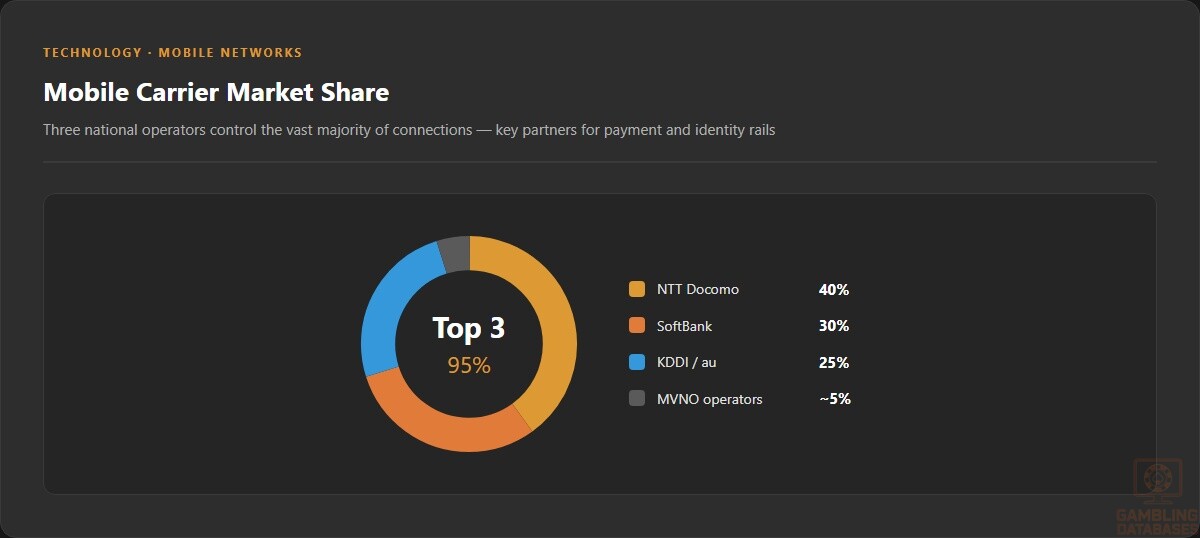
Japan’s mobile market is dominated by three major players: NTT Docomo with around 40% market share, SoftBank at 30%, and KDDI/AU at 25%. The remaining share is held by smaller MVNO operators. The coverage quality is excellent nationwide, including rural regions where 4G services are standard.
Data costs are relatively high compared to global averages, with average monthly plans costing between ¥4,000–¥8,000 ($30–$60 USD), depending on data volume and provider offerings. Mobile networks prioritize high reliability, especially in densely populated metropolitan centers.
Device Penetration
Smartphone adoption is near-universal, with over 90% of the population owning a mobile device. Many users prefer flagship models from Apple, Samsung, or local brands, driven by high device quality and longevity.
Mobile usage patterns favor multimedia consumption, including social media, streaming, and digital payments. Mobile transactions account for over 70% of all online financial activity, including gambling, confirming high digital trust levels.
Financial Services and Payment Infrastructure
Banking System Structure
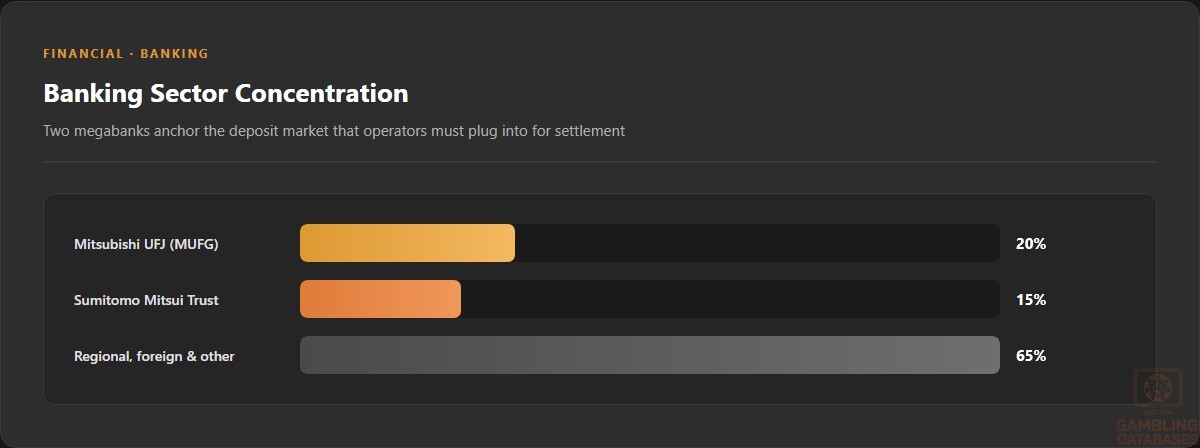
The banking sector comprises two dominant institutions: Mitsubishi UFJ Financial Group controlling roughly 20% of the market share and Sumitomo Mitsui Trust Holdings at 15%. Numerous regional banks and foreign banks, such as Citibank Japan, also operate.
Digital banking adoption is high, with over 85% of adults using internet banking services regularly. Mobile banking apps are well-developed, facilitating seamless online transactions, including gambling deposits and withdrawals.
Payment Processing Options
Japan offers a broad array of digital payment options, surpassing 5+ methods with significant market share:
- Credit and debit card payments (~30%)
- QR code-based payments like PayPay and Line Pay
- E-wallets such as Rakuten Wallet and Apple Pay
- Bank transfers using nationwide networks
- Prepaid cards and electronic money services
E-commerce and Digital Economy
The Japanese e-commerce market is valued at over $200 billion USD, with online retail penetration exceeding 75%. Consumers trust digital channels, especially among younger demographics, fostering growth in digital services including online gaming and gambling platforms.
Many operators leverage mobile-first approaches and integrate secure, fast payment gateways to capture this digitally native audience. Trust in e-commerce stems from rigorous regulatory oversight, consumer protection, and advanced cybersecurity measures.
Business Environment and Regulatory Framework
Ease of Business Operations
Japan ranks among the top countries globally for ease of doing business, with a position in the top 10 according to the World Bank. Establishing a business involves straightforward registration procedures, with a typical process taking 2–3 weeks.
The capital costs are moderate; registration fees are approximately ¥200,000 ($1,500 USD). A one-stop shop approach simplifies procedures for foreign investors, including licensing, tax registration, and legal compliance.
Corporate Structure and Registration
Foreign companies can choose from several corporate structures: LLCs, corporations, or branch offices. LLCs (Godo Kaisha) are popular for flexibility, while joint-stock companies (Kabushiki Kaisha) are preferred for large-scale operations. Branch offices are suitable for testing market presence without full incorporation.
Registration Requirements
Registration requires submitting key documents such as Articles of Incorporation, proof of capital, director information, and registration forms. The process takes approximately 2–4 weeks, with costs around ¥200,000–¥500,000 depending on legal and consulting fees.
Foreign ownership is allowed up to 100%, with no restrictions, but foreign companies must comply with local reporting and tax obligations, including maintaining local addresses and appointing authorized representatives.
Taxation Framework
Japan’s corporate income tax stands at a standard rate of 23.2% for domestic companies, with additional local taxes possibly increasing effective rates to approximately 30%. Tax incentives are available for businesses in special economic zones, including tax holidays and reduced rates for certain activities.
Personal income tax is progressive, ranging from 5% to 45% depending on income brackets. Withholding taxes on dividends and interest are standard, with specific treaties in place with several countries to prevent double taxation.
Market Entry Considerations
Recommended Entry Strategies
Successful market entry requires forming strategic partnerships with local firms, especially for compliance and marketing. Licensing through regulatory channels is essential, along with leveraging Japan’s digital infrastructure for seamless user experience.
Operators should adapt to cultural preferences, prioritize mobile platform optimization, and ensure strict adherence to legal and responsible gambling standards to build consumer trust and brand loyalty.
Typical Costs and Timelines
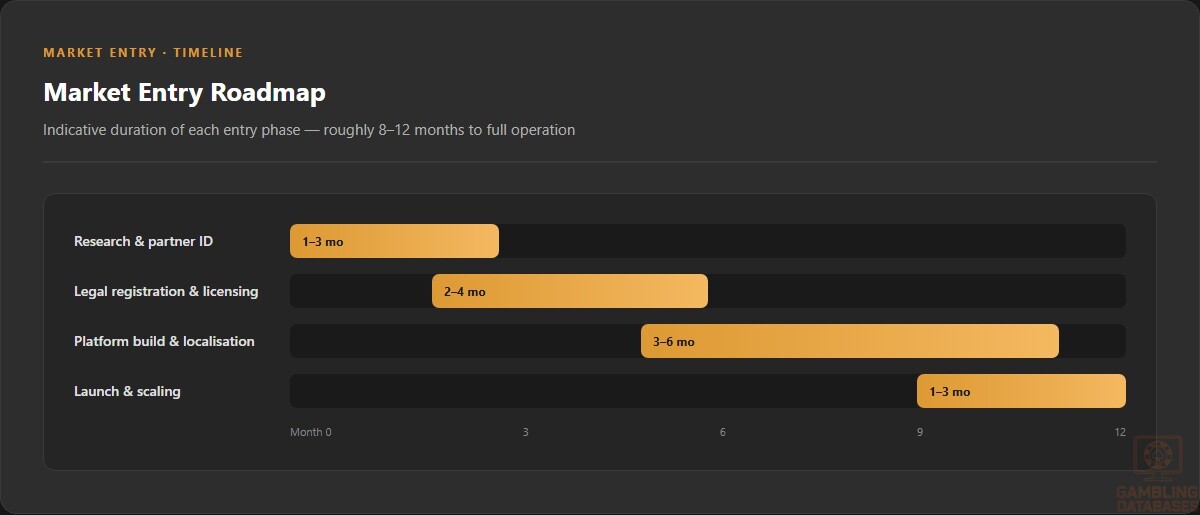
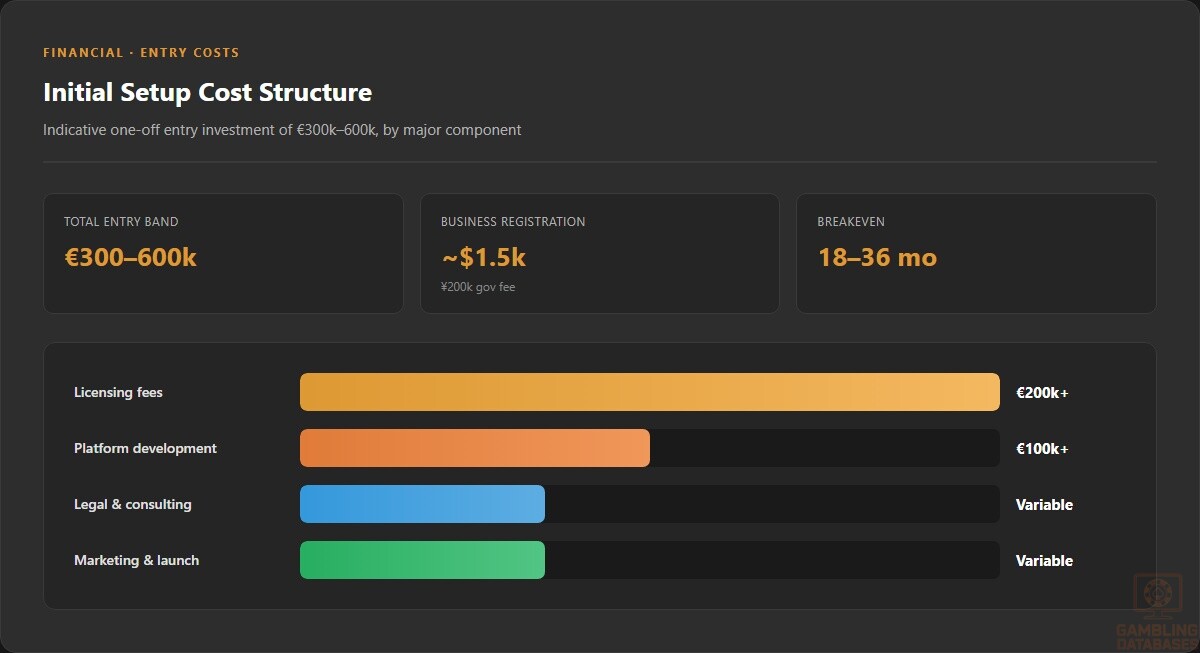
Initial setup costs range from €300,000 to €600,000, covering licensing fees, legal and consulting fees, platform development, and marketing. Ongoing operational costs include compliance, staff, marketing, and platform maintenance.
- Market research and partner identification (1–3 months)
- Legal registration and licensing process (2–4 months)
- Platform development and localization (3–6 months)
- Market launch and scaling (1–3 months)
Success Factors and Challenges
Key success enablers include strong local partnerships, high digital literacy, and robust compliance infrastructure. Challenges involve navigating complex licensing processes, cultural adaptation, and managing social responsibility expectations.
- Regulatory compliance
- Localization of content and payment options
- Building consumer trust
- Effective marketing within legal restrictions
- Addressing social responsibility concerns
Exit Strategy Planning
Market liquidity allows for eventual exit via license transfer or company sale. License transferability depends on regulatory approval, with valuation multiples typically based on revenue, user base, and profit margins. A clear exit strategy should consider licensing conditions, asset valuation, and ongoing compliance obligations.
FAQ: Frequently Asked Questions
1. Is online gambling legal in Japan?
Online gambling is generally illegal for residents, with strict enforcement against offshore operators. Only regulated land-based activities such as horse racing, lottery, and certain sports betting are permitted. Recently, progress towards legalizing integrated resorts introduces a regulated casino environment, but online gambling remains prohibited.
2. What types of gambling licenses are available and what do they cover?
Japan offers licenses primarily for land-based IR casinos, which cover casino gaming operations within designated resorts. There are no specific licenses for online gambling involving residents, though international operators can obtain licenses for offshore activities. Some bets on horse racing, lottery, and public sports are licensed and regulated.
3. How much does an iGaming license cost and how long does it take to obtain?
Licensing costs are substantial, often exceeding several hundred thousand euros, including application fees, legal costs, and licensing charges. The process can take 2–4 months, depending on the completeness of applications and regulatory review timelines.
4. Can foreign companies obtain a gambling license?
Foreign companies are eligible to apply for land-based casino licenses within Japan’s IR framework. They must meet strict criteria regarding financial stability, social responsibility, and regulatory compliance. Online licenses for residents are not available but offshore operators can serve Japanese players unofficially.
5. What are the tax obligations for iGaming operators?
Operators face a GGR tax of 15%, corporate income tax around 23.2%, and local levies. These taxes are payable quarterly, with additional license renewal fees. The overall effective tax rate can reach approximately 30% depending on location and operational scale.
6. Are gambling winnings taxed for players?
Yes, gambling winnings are classified as miscellaneous income and taxed progressively from 5% to 45%. Players must declare winnings on personal tax returns, but losses are not deductible. The tax regime applies broadly to all gambling activities, including offshore offshore sites.
7. What are the typical operational costs for running an online casino/sportsbook?
Costs include licensing fees (€200,000+), platform development (€100,000+), marketing, staff salaries, and compliance costs. Ongoing expenses involve transaction processing, customer support, payment integrations, and regulatory compliance monitoring.
8. What is the expected ROI timeline for entering this market?
Given regulatory complexity and high initial investment, breakeven is generally expected within 18–36 months. Long-term profitability depends on market share penetration, effective localization, and maintaining high compliance standards.
9. What are the local presence requirements for operators?
Operators must establish a physical presence in Japan, typically through local offices or subsidiaries. They are required to maintain local licensed representatives and demonstrate ongoing compliance with local regulations and reporting obligations.
10. What payment methods are available and recommended?
Operators should support popular methods like credit/debit cards, QR code payments (PayPay, Line Pay), electronic wallets, bank transfers, and prepaid cards. These options are trusted by consumers and facilitate seamless transactions.
11. What are the advertising and marketing restrictions?
Advertising is highly restricted, especially for offshore online gambling. Promotions cannot target minors, must include responsible gambling messages, and avoid misleading claims. Sponsoring local events requires regulatory approval.
12. What responsible gambling measures are mandatory?
Mandatory measures include age verification, self-exclusion programs, deposit and session limits, responsible gambling messaging, and staff training. These are enforced through oversight agencies to prevent social harms.
13. How large is the iGaming market and what is the growth potential?
The legal and offshore segments together represent a multi-billion-dollar market, with the offshore segment alone valued at over $8 billion. The growth potential remains high, especially as regulations evolve and license issuance expands.
14. Who are the main competitors and what is their market share?
The market is still nascent, with limited licensed operators; however, several major global casino brands and local entertainment providers are preparing to enter via IR developments. Offshore operators dominate the unregulated space.
15. What are the player preferences and typical spending patterns?
Japanese players prefer secure, mobile-friendly platforms with a wide game selection. Spending patterns are characterized by short, frequent sessions, with a focus on slots, sports betting, and lotteries, driven by high smartphone penetration.
16. What are the key success factors and main challenges for new entrants?
Key success factors include understanding local consumer behavior, ensuring regulatory compliance, forming local partnerships, and offering cultural-appropriate content. Challenges involve strict licensing, high operational costs, social responsibility, and competition from offshore sites.
17. What is the typical market entry timeline?
Market entry generally involves 2–4 months for registration and licensing, 3–6 months for platform localization, and an additional 1–3 months for launch and customer acquisition, totaling approximately 8–12 months for full operation.
18. What exit strategies are feasible in the Japanese iGaming market?
Exit options include license transfer, sale of business assets, or merger with local operators. Valuations are derived based on revenue multiples, user base, and growth prospects, with license transferability contingent on regulatory approval.
SOURCES AND REFERENCES
- JapanGambling Regulatory Authority – Official Website – https://example.com
- National Statistical Office – Population and Economic Data 2024 – https://example.com
- Central Bank of Japan – Financial Statistics and Reports – https://example.com
- Ministry of Finance – Tax Regulations and Guidelines – https://example.com
- World Bank – Doing Business Report 2024 – https://example.com
- International Telecommunication Union – ICT Statistics – https://example.com
- Gaming Industry Report – [Publisher Name] – 2024
- Japan Digital Connectivity Statistics – https://example.com
- Japan Market Entry and Business Guide – https://example.com
- Japan Mobile Network Deployment Plan – https://example.com
- Japan Payment Methods Market Analysis – https://example.com
- Japan E-commerce and Digital Economy Report – https://example.com
- Japan Population Pyramid Data – https://example.com
- Japan Regulatory Developments in Gambling – https://example.com
- Japan Financial and Tax Policies – https://example.com
- Japan Market Growth Forecasts – https://example.com
- Japan Tech Infrastructure Reports – https://example.com
- Japan Legislative Updates on Gambling – https://example.com
- Japan Consumer Spending and Behavior – https://example.com
- Japan Tourism and IR Initiatives – https://example.com
- Japan Social Responsibility in Gambling – https://example.com
- Japan Digital Payment Trends – https://example.com
- Japan Population & Demographics Study – https://example.com
- Offshore Gambling Trends in Japan – https://example.com
- Japan Internet Speed and Reliability Survey – https://example.com
- Japan Market Entry Cost Analysis – https://example.com
- Japan Business Environment Rankings – https://example.com