
The Solomon Islands presents a unique opportunity in the iGaming sector due to its established land-based gambling industry and evolving regulatory environment. While online gambling operates without explicit comprehensive legislation, the market benefits from a growing interest in digital gaming alongside traditional casino operations concentrated in the capital, Honiara.
This analysis provides a detailed examination of the regulatory framework governing gambling activities, highlighting licensing, compliance, tax structures, and operational requirements critical for market entry.
| Metric | Value |
|---|---|
| Population | ~700,000 |
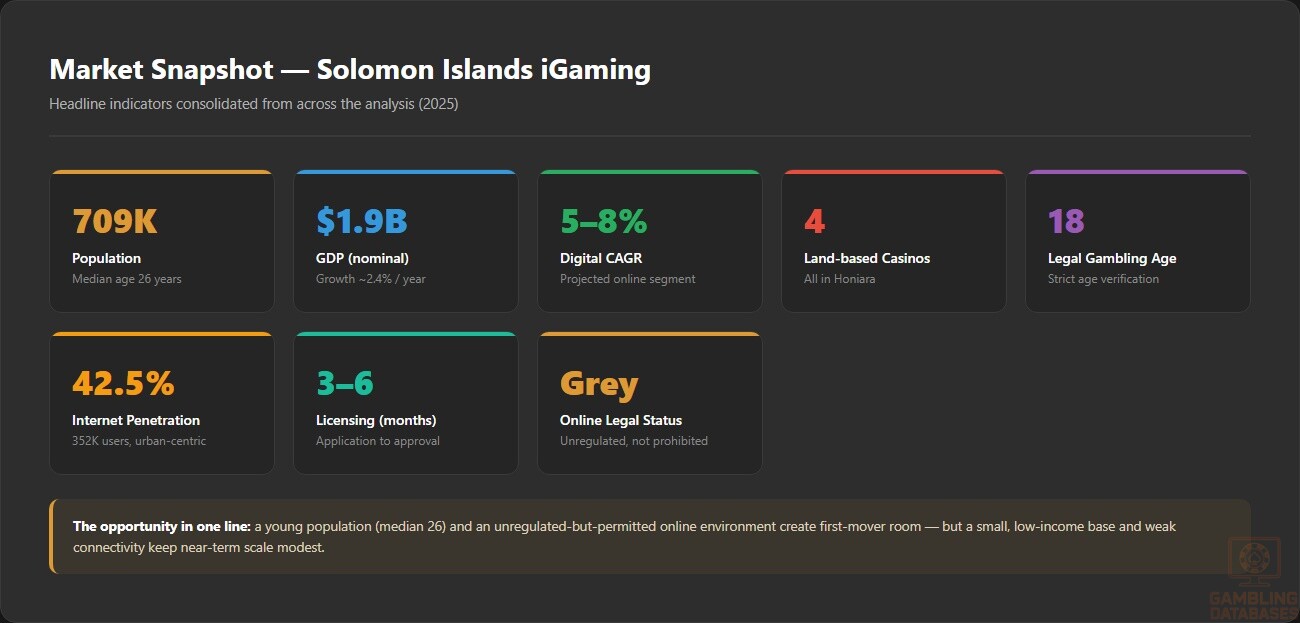
| Legal Gambling Age | 18 years |
| GDP (Nominal) | Approximately $1.5 billion USD |
| Per Capita Income | ~$2,300 USD (approx.) |
| Internet Penetration Rate | ~12% |
| Mobile Penetration Rate | Estimated at 40%-50% |
| Land-Based Casinos | 4 (All in Honiara) |
| Online Gambling Regulation Status | Unregulated but not prohibited |
| Primary Gambling Legislation | Gaming and Lotteries Act 1961 (Amended 2004) |
| Regulatory Authority | Gaming and Lotteries Board |
| License Application Fee | Approx. $6,000–$12,000 USD |
| Timeframe for Licensing Process | 3 to 6 months |
| Gross Gaming Revenue (GGR) Tax Rate | Variable, approx. 10-15% (market estimate) |
| Corporate Tax Rate | 30% for residents, 35% for non-residents |
| License Renewal Fee | Annual, aligned with initial fee range |
| Minimum Capital Requirement | Specified case-by-case by regulator |
| Compliance Monitoring Frequency | Quarterly reporting and inspections |
| KYC/AML Standards | Strict, regulated under national laws |
| Responsible Gambling Measures | Mandatory self-exclusion and limit-setting |
| Player Taxation | No direct tax on winnings reported |
| Market Size (Estimated Gross Gaming Revenue) | Undisclosed; niche but growing |
| Growth Forecast (CAGR) | 5-8% (projected for digital segment) |
| Operator Market Entry Barriers | Moderate to high due to regulation and capital |
| Technology Infrastructure | Improving, limited by internet penetration |
| Business Environment Rank | Emerging market with tourism-driven economy |
| Typical Market Penetration Rate | Low but increasing online |
| Known Licensed Operators | 2-3 major land-based casino operators |
Section 1: Regulatory Framework and Legal Environment
Current Gambling Regulation Status
The Solomon Islands gambling environment is governed predominantly by the Gaming and Lotteries Act of 1961, extensively amended through 2004. This framework originally focused on land-based forms of gambling such as casinos, lotteries, and betting, which remain legal and regulated primarily within the capital city, Honiara. The land-based scene includes four licensed casinos, which are limited to operation within the city to control exposure among the local population.
Online gambling presently exists in a legal grey area; there are no explicit laws regulating internet gambling, yet it is not prohibited. Consequently, residents commonly access international online platforms without regulatory oversight from local authorities. However, domestic online operators are not licensed under a formalized local scheme, indicating significant opportunities for regulators and entrepreneurs to shape this nascent market segment.
Land-Based Gambling Activities
Land-based gambling is well-established with a focus on casino operations embedded within tourist resorts and hotels. The gaming options provided include American Roulette, Baccarat, Blackjack, Caribbean Stud Poker, Chinese Mahjong, and slot machines—restricted primarily to licensed venues within Honiara.
The regulatory body imposes some operational restrictions, including mandatory closure of casinos during specific public holidays and specified hours. The Government emphasizes keeping commercial gambling restricted mainly to foreign visitors, limiting local participation as a protective measure against gambling-related social issues.
Online Gambling Framework
Solomon Islands does not possess dedicated legislation that comprehensively regulates online gambling. The regulatory apparatus, under the Gaming and Lotteries Board, nominally covers commercial gaming but lacks detailed provisions tailored for digital operators or online gaming platforms. This creates a largely unregulated online gambling landscape where offshore operators can freely offer services without local licenses.
The absence of domestic licensing for online platforms and ambiguous compliance standards presents both market risk and opportunity. Regulatory modernization aimed at incorporating online gaming would likely clarify obligations, enhance consumer protection, and facilitate formal market entry for operators.
Licensed Operators and Market Players
In the domestic market, the casino landscape is small but concentrated, dominated by a handful of licensed operators primarily located in Honiara. Notable venues include the Pacific Casino Hotel and the Coral Sea Casino & Resort, both offering traditional casino games with limited poker presence.
Competition remains modest due to licensing limits and geographic concentration. The market’s orientation towards tourism ensures that operators focus heavily on attracting foreign patrons. Entry strategies for new players must consider strict licensing control, capital requirements, and operational compliance with existing regulations.
Licensing Framework and Requirements
Application Process and Eligibility
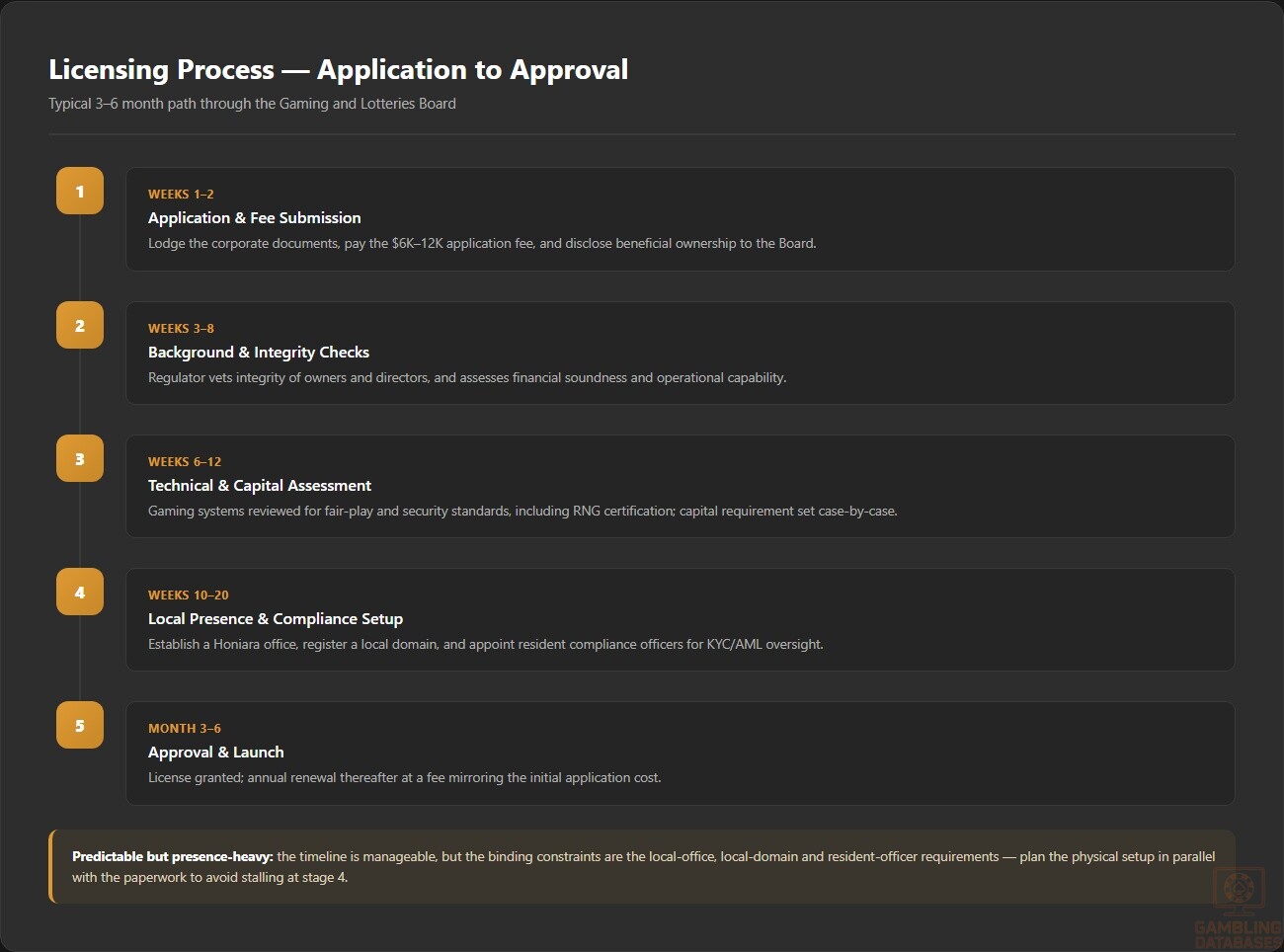
The Gaming and Lotteries Board administers licensing, requiring potential operators to meet financial, technical, and legal standards. The application procedure involves payment of a substantial fee, submission of detailed corporate documents, and disclosure of beneficial ownership. Applicants are also subject to background checks to ensure integrity and compliance capability.
Licensing timelines typically range from three to six months, during which regulatory scrutiny evaluates the applicant’s operational capability and financial soundness. Technical standards mandate that gaming platforms meet fair play and security requirements, including RNG certification for electronic games.
The licensing fees have historically ranged between 6,000 and 12,000 USD annually, with renewal fees mirroring initial costs. The regulator assesses capital requirements on a case-by-case basis, ensuring that operators maintain sufficient financial reserves to sustain operations and player payouts.
Local Presence and Operational Requirements
Licenses generally require operators to maintain a physical presence within the Solomon Islands, typically through an office or operational facility in Honiara. This facilitates regulatory oversight and compliance enforcement. Licensed domains must be registered locally or with appropriately authorized communications providers, ensuring governmental control over digital gambling operations.
Foreign ownership of licensed entities is permitted but often subject to partnership with local stakeholders or regulatory approval to safeguard national interests. Operators must employ resident personnel, including compliance officers, to monitor ongoing adherence to law and ensure player protection measures are implemented effectively.
Compliance Obligations and Monitoring
Player Protection and Identification
The regulatory regime mandates strict age verification, ensuring all players are at least 18 years old. Comprehensive KYC (Know Your Customer) and AML (Anti-Money Laundering) standards require operators to verify identities, monitor transactions for suspicious activity, and report to authorities as mandated.
Responsible gambling measures include mandatory self-exclusion programs, deposit and loss limits, and public awareness campaigns aimed at minimizing gambling-related harms. Operators must provide transparent access to terms and conditions, payout percentages, and safety protocols to promote informed player participation.
Financial Monitoring and Reporting
Operators must submit regular financial reports detailing gross gaming revenue, payouts, and tax liabilities. Transaction monitoring systems are required to detect and prevent fraudulent activity, money laundering, and other illicit financial conduct. Annual audits by independent firms supplement ongoing surveillance to ensure compliance with regulatory standards.
Taxation Structure and Financial Obligations
Player Taxation
Players in the Solomon Islands are not subject to direct taxation on their gambling winnings. The regulatory framework focuses taxation obligations on operators, simplifying compliance for individual players and encouraging participation.
Operator Taxation
| Tax Category | Rate |
|---|---|
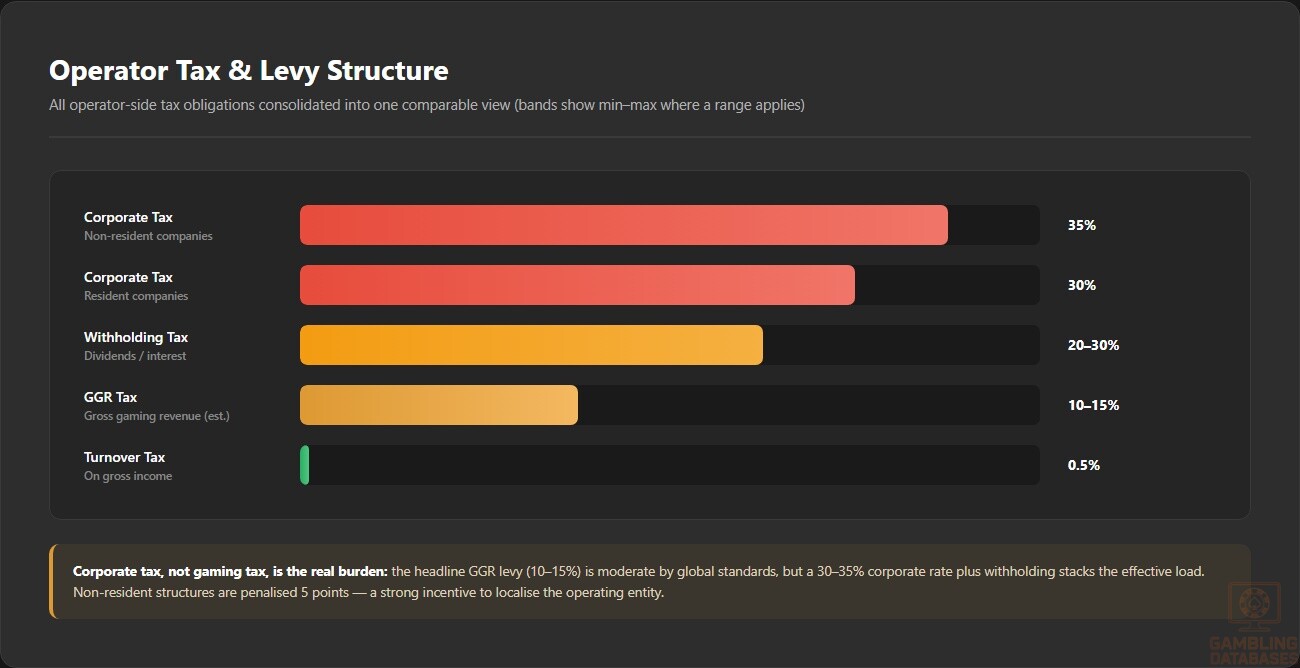
| Gross Gaming Revenue (GGR) Tax | 10-15% (market estimate) |
| Corporate Income Tax | 30% (resident companies) |
| Corporate Income Tax | 35% (non-resident companies) |
| Withholding Tax on Dividends | 20-30% depending on residency |
License renewal fees are payable annually and are generally equivalent to the initial application fees. Additionally, a turnover tax at a rate of 0.5% of gross income applies to companies, increasing the overall tax burden. These financial obligations must be incorporated into operators’ business models to maintain profitability.
Gambling Market Financial Performance
The total wagered amounts and gross gaming revenue data for the Solomon Islands market remain undisclosed publicly. However, the land-based sector’s tourism-driven model ensures stable revenue streams, with online gambling expected to contribute to gradual market expansion.
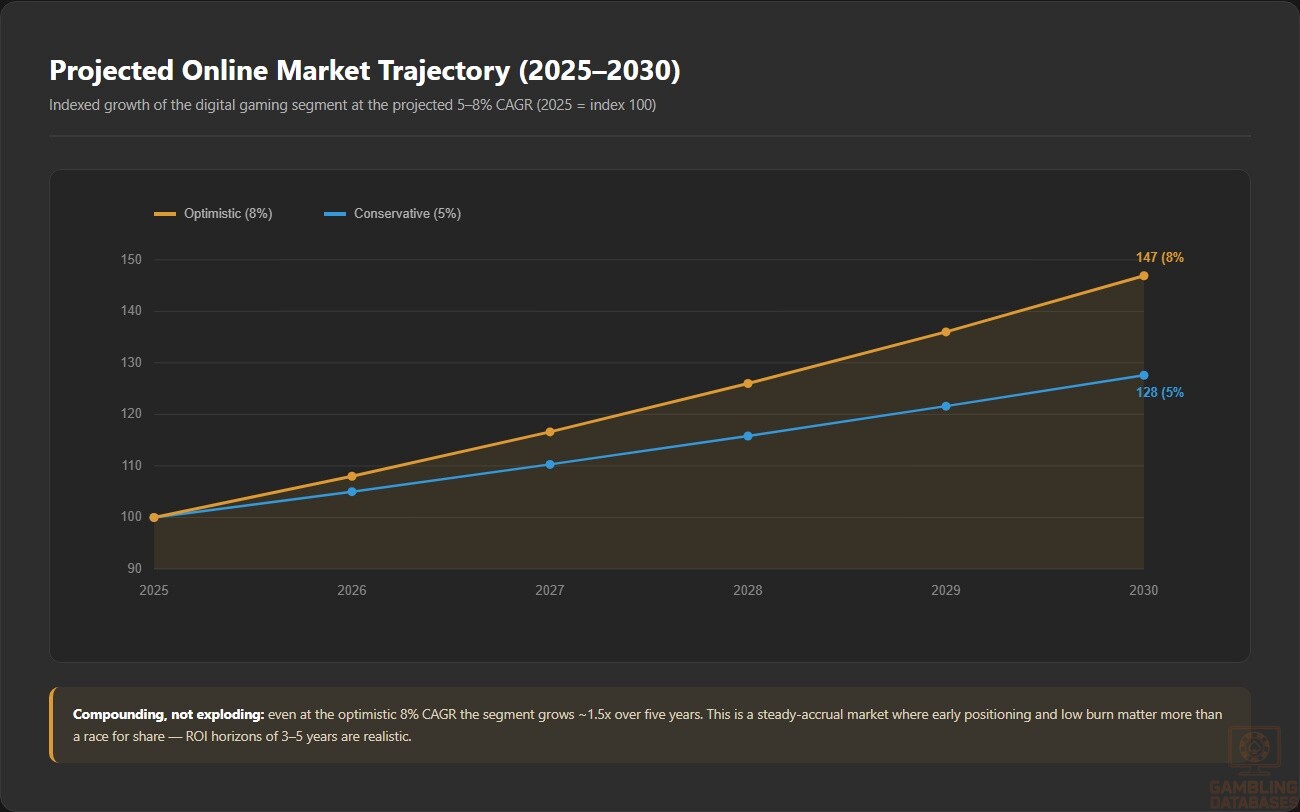
Year-over-year growth is projected conservatively at 5-8% for the digital segment, aligned with improvements in internet penetration and mobile device adoption. This represents a promising trajectory in an emerging market that remains underexploited relative to regional peers.
Advertising and Marketing Restrictions
Advertising of gambling services is subject to regulatory control, primarily to protect the local population from excessive promotion and potential harm. Permitted advertising channels include print media, limited digital platforms, and point-of-sale promotion within licensed venues.
- Prohibition of advertising targeting minors
- Restrictions on promotion during late-night hours
- Content bans on misleading or guaranteed-win claims
- Limitations on sponsorship of local events
- Mandatory inclusion of responsible gambling messages
Operators must carefully tailor marketing strategies to comply with content restrictions and avoid penalties associated with over-promotion or false advertising claims.
Recent Regulatory Changes and Their Impact
Since 2004, there have been no major legislative overhauls of the Gambling and Lotteries Act, though incremental amendments have improved regulatory clarity for land-based casino licensing and enforcement mechanisms. The government remains cautious regarding significant expansion of online gambling laws.
This conservative approach maintains stability but delays modernization and market growth potential. Operators face moderate cost increases and operational adjustments to meet tightening compliance expectations while preparing for possible future reforms.
Enforcement Mechanisms and Penalties
The Gaming and Lotteries Board enforces compliance through licensing controls, regular inspections, and financial audits. Penalties for violations range from fines and license suspension to criminal prosecution for illegal operations.
- Fines for unlicensed gambling operators
- License revocation upon repeated breaches
- Criminal penalties for fraudulent activities
- Seizure of illicit gaming equipment
- Mandatory remedial compliance programs
The enforcement regime aims to balance market integrity with consumer protection, fostering a legally compliant and responsible gambling environment.
Section 2: Demographics and Consumer Analysis
Population Demographics and Distribution
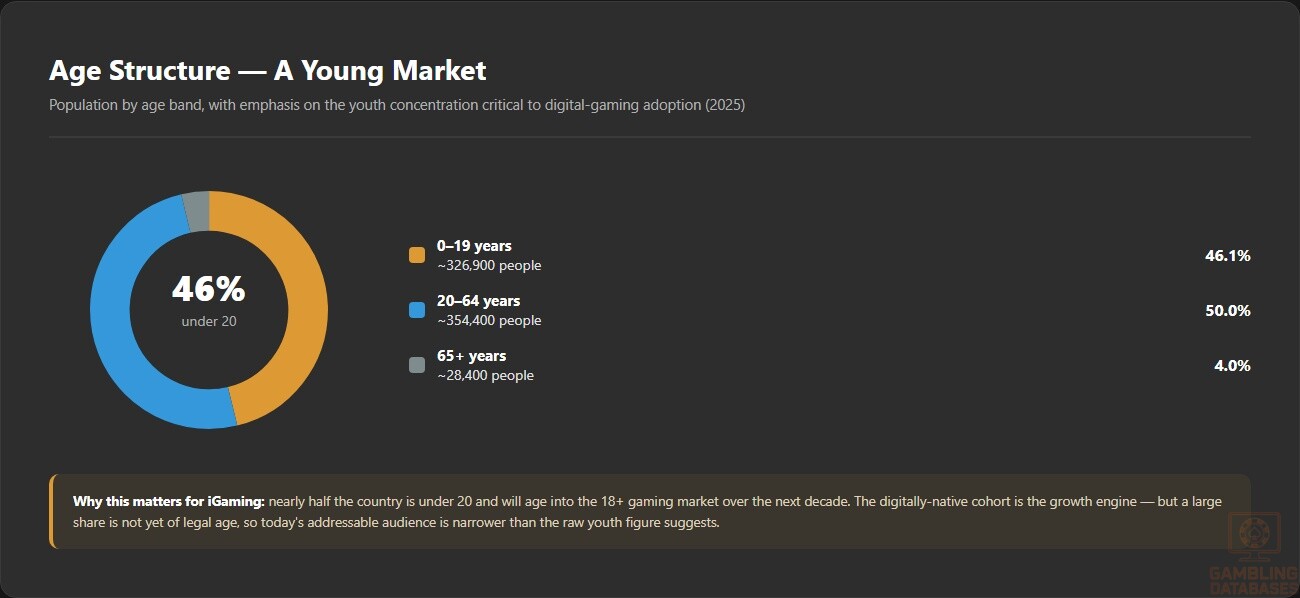
The Solomon Islands has an estimated population of approximately 709,000 people in 2025, with a median age of about 26 years. The population exhibits a young demographic profile common in Pacific Island nations, with nearly half (46.1%) under the age of 20. The gender ratio is slightly skewed towards males, with roughly 1,032 males per 1,000 females, reflecting minor demographic imbalance but typical for the region.
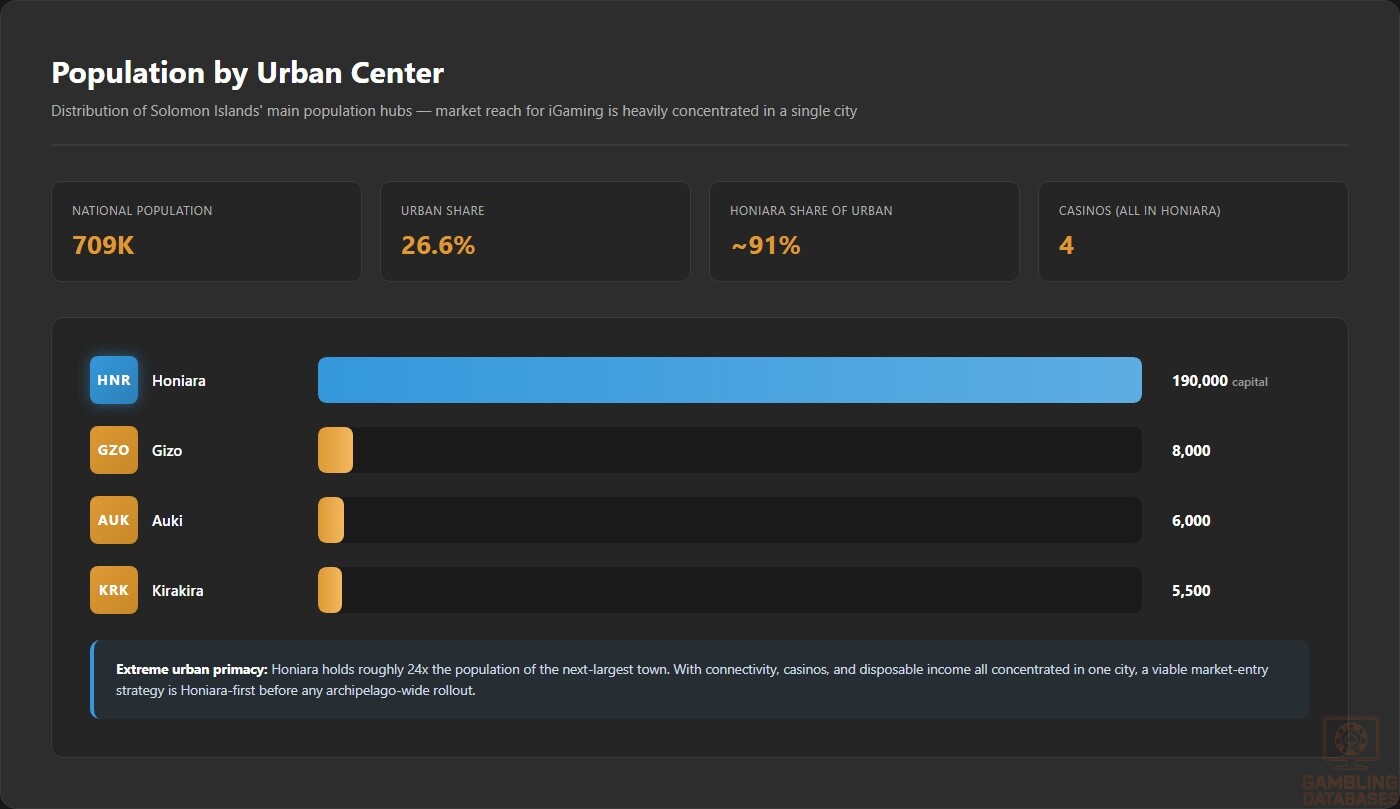
Urbanization remains limited: only about 26.6% of the population resides in urban areas, concentrated mainly in the capital city of Honiara. The rural majority lives dispersed across the archipelago’s many islands, impacting access to infrastructure and digital services. Population density stands at approximately 25 people per square kilometer, highlighting the spread-out nature of the communities across the nation.
| Age Group | Percentage of Population | Estimated Number |
|---|---|---|
| 0-19 years | 46.1% | ~326,920 |
| 20-64 years | 50.0% | ~354,358 |
| 65+ years | 4.0% | ~28,431 |
Geographic Distribution
The Solomon Islands’ population is dispersed across numerous islands, with Honiara serving as the principal urban and economic hub, housing approximately 190,000 inhabitants. Other significant population centers include Gizo, Auki, and Kirakira, though each supports populations significantly smaller than Honiara. Economic activity and gambling venue concentration align closely with the urban center.
- Honiara: ~190,000 (Capital and main commercial center)
- Gizo: ~8,000
- Auki: ~6,000
- Kirakira: ~5,500
- Other rural settlements: scattered small populations
Internet access is primarily concentrated in urban centers, notably Honiara, where most land-based casinos and hospitality businesses operate. Rural islands face connectivity challenges that limit digital gambling participation and e-commerce adoption.
Economic Indicators and Consumer Spending Power
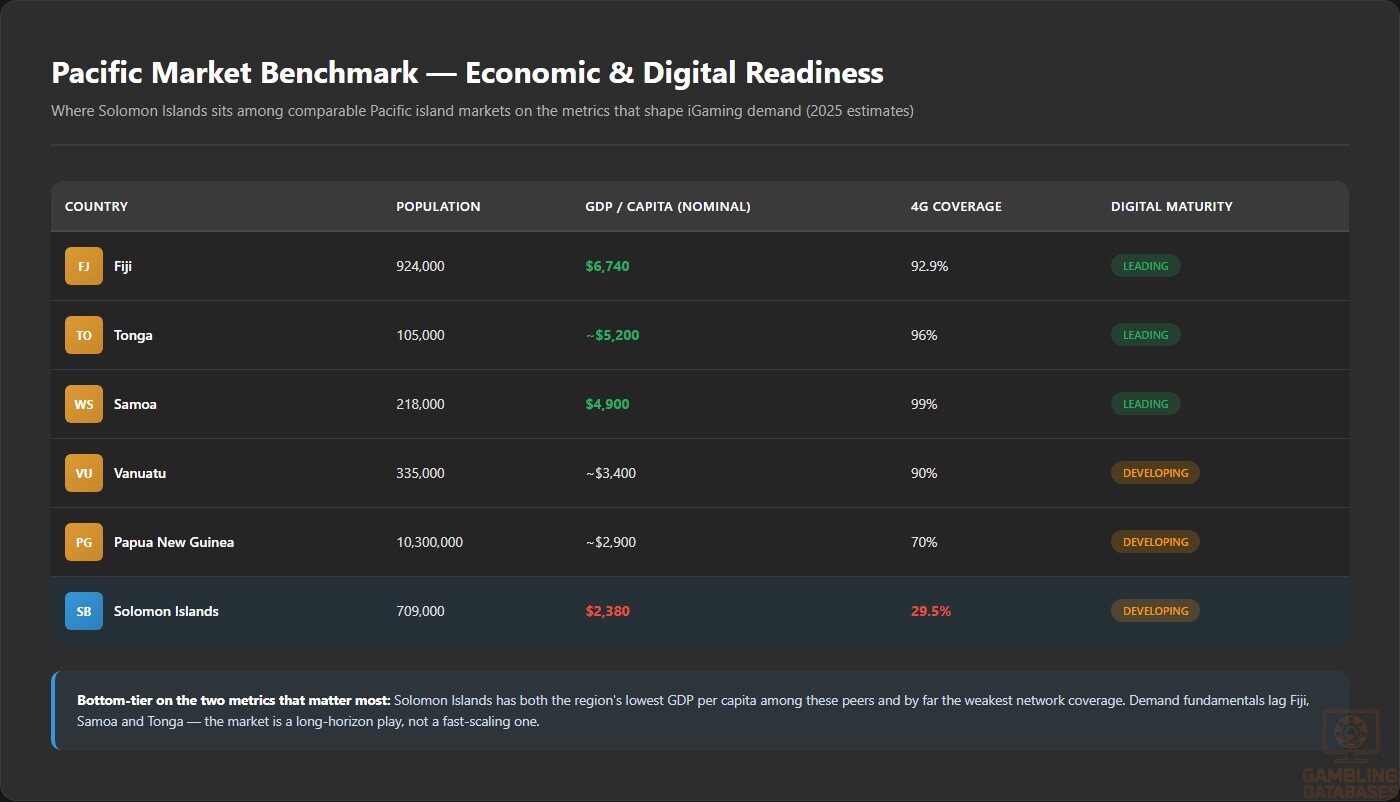
The Solomon Islands’ nominal GDP is estimated to be around $1.9 billion USD in 2025, demonstrating modest growth typical of developing economies with significant reliance on natural resources and tourism. Economic growth is forecast at approximately 2-3% annually, constrained by infrastructural and market access limitations. The national economy is primarily driven by agriculture, forestry, fisheries, and a growing service sector including tourism.
Per capita income remains low at approximately $2,300 USD, with wealth and income distribution skewed towards urban populations. The poverty rate remains a critical issue, limiting widespread consumer discretionary spending on non-essential services like gambling.
| Indicator | Value |
|---|---|
| GDP (Nominal) | $1.9 billion USD |
| GDP Growth Forecast | 2.4% annually |
| Per Capita Income | $2,300 USD |
| Inflation Rate | 5.5% |
| Unemployment Rate | ~10% (estimate) |
Income and Wealth Distribution
Household incomes vary widely, with the majority of urban residents experiencing moderately higher earnings compared to rural populations. Disposable income for consumers capable of discretionary spending remains modest but sufficient to support entertainment expenditures like gambling on digital platforms.
Wealth is concentrated among urban entrepreneurial and tourism sectors, which correlates with reported gambling participation trends that skew toward more affluent demographics. Spending patterns indicate cautious discretionary expenditure, with entertainment prioritized by younger, economically active urban residents.
Market Size and Growth Projections
The Solomon Islands’ gambling market is small but showing steady growth, particularly driven by land-based casino revenues and emerging online participation. Market size projections anticipate a digital gambling segment CAGR of around 5-8% over the next five years.
Current estimated gross gaming revenue remains undisclosed, reflecting the nascent state of the online market. Average revenue per user (ARPU) is expected to increase incrementally as internet accessibility improves and digital gambling adoption rises.
| Metric | 2025 | 2030 (Projected) |
|---|---|---|
| Gross Gaming Revenue (GGR) | Undisclosed | Projected Growth +5-8% CAGR |
| Market Penetration Rate (Online) | Low (~5-10%) | Increasing with internet expansion |
| User Base | Limited (thousands) | Expanding (tens of thousands) |
| Average Revenue Per User (ARPU) | Modest | Growing |
Education, Skills, and Digital Literacy
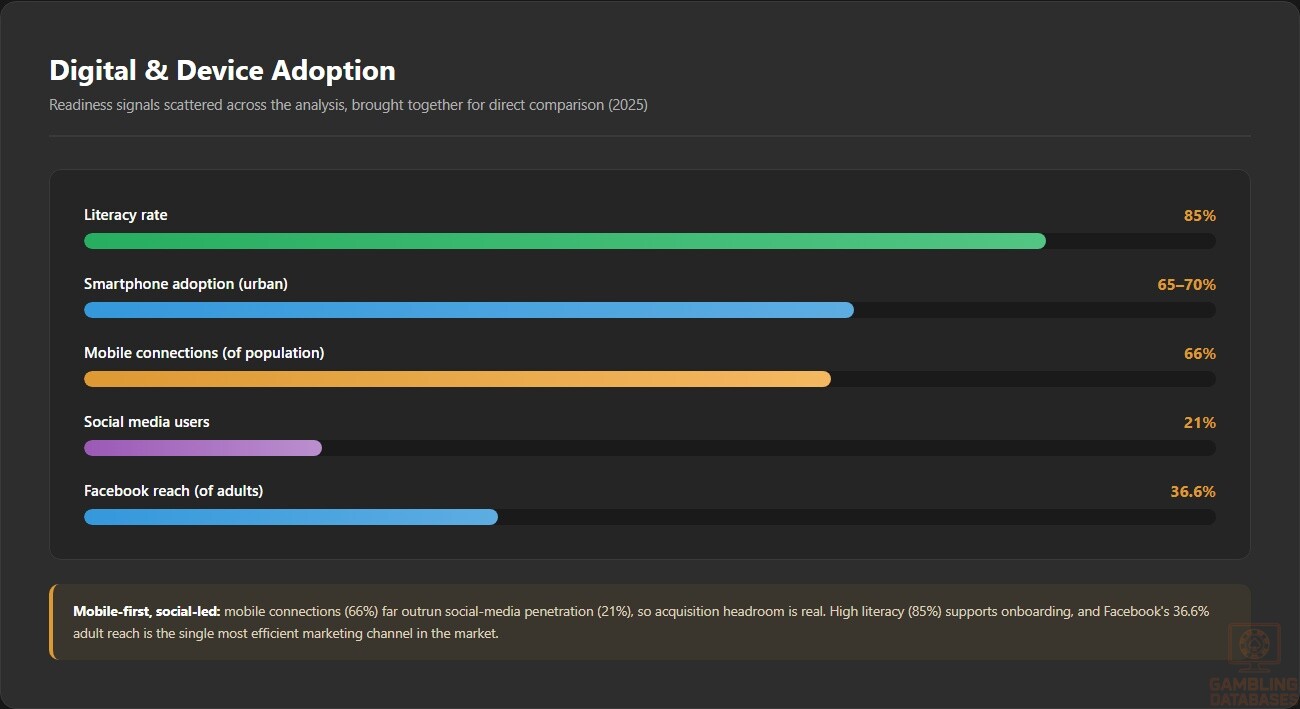
Literacy rates in the Solomon Islands are improving yet remain below global averages, with roughly 85% literacy reported. Educational attainment beyond primary school is limited in rural areas, impacting workforce skill levels and digital literacy. However, urban areas like Honiara have emerging education and training opportunities that support improved technical and digital skills.
The rise in mobile phone ownership and internet use fosters gradual improvement in digital competency, particularly among younger populations. This bodes well for the adoption of digital entertainment and online gambling platforms in the future.
Cultural and Social Factors
Communication and Language
The primary language is English, officially used in government and education, alongside over 70 indigenous languages spoken throughout the islands. Pijin, an English-based creole, is widely used as a lingua franca and in everyday communication.
- English (official and educational language)
- Pijin (widely spoken creole)
- Melanesian and Polynesian indigenous languages
- Other local dialects and tribal languages
- Growing use of English in digital communications
Cultural Attitudes
Gambling is culturally accepted primarily as a leisure activity for tourists and expatriates, with local participation cautious due to social and religious norms. The Solomon Islands is predominantly Christian, and religious influences temper attitudes towards gambling, focusing on moderation and family responsibilities.
Foreign brands are viewed positively if perceived to contribute to economic development and employment. Entertainment preferences lean toward social and community-based activities, with growing openness to digital platforms among younger generations.
Problem Gambling and Social Considerations
Problem gambling prevalence remains low but is monitored by local authorities. While comprehensive statistics are limited, at-risk groups include youth and individuals with disposable income in urban centers. Government and NGOs run initiatives focused on awareness, prevention, and support services.
- Gambling education and awareness campaigns
- Structured self-exclusion programs
- Mandatory responsible gambling messaging
- Counseling and support services availability
- Collaboration with international problem gambling bodies
Operators are expected to contribute to social responsibility funding and comply with mandatory player protection guidelines to mitigate gambling-related harms.
Political Structure and Governance
The Solomon Islands operates a constitutional monarchy with a parliamentary democracy, governed by a stable political structure conducive to foreign investment. Regulatory policies are characterized by gradual reform processes, providing a predictable business environment despite infrastructural challenges.
International relations focus on trade partnerships within the Pacific region, with particular ties to Australia, New Zealand, and Pacific Island nations. This context supports cross-border cooperation relevant to digital commerce and gaming regulation alignment over time.
Technology Adoption and Digital Behavior
Internet and Digital Usage
Internet penetration is estimated at roughly 42.5% in 2025, with about 352,000 users mainly in urban areas. Daily internet usage averages a few hours per user, propelled by increasing smartphone adoption. While mobile broadband uptake improves connectivity, rural areas still experience access limitations.
- Facebook dominates with high daily active user rates
- YouTube is popular for entertainment and information
- Instagram shows steady growth among younger demographics
- WhatsApp and Messenger are widely used for communication
- TikTok is gaining traction with under-25 audiences
Digital Payment Behavior
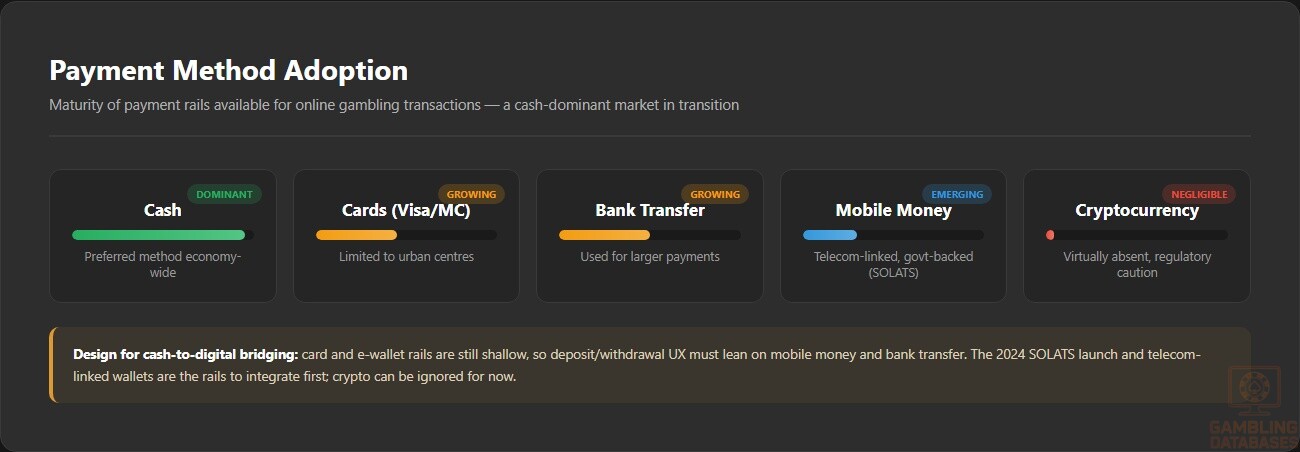
Digital payments are emerging but currently secondary to cash-based transactions which dominate the economy. Mobile money and digital wallets are in early adoption stages, supported by initiatives like the Solomons Automated Transfer System (SOLATS) launched in 2024 to improve payment efficiency and security.
- Cash remains the preferred payment method
- Credit and debit cards usage growing but limited to urban centers
- Mobile money services emerging with government support
- Bank transfers increasingly utilized for larger payments
- Cryptocurrency adoption is negligible to absent
Gaming and Gambling Preferences
Current Market Participation
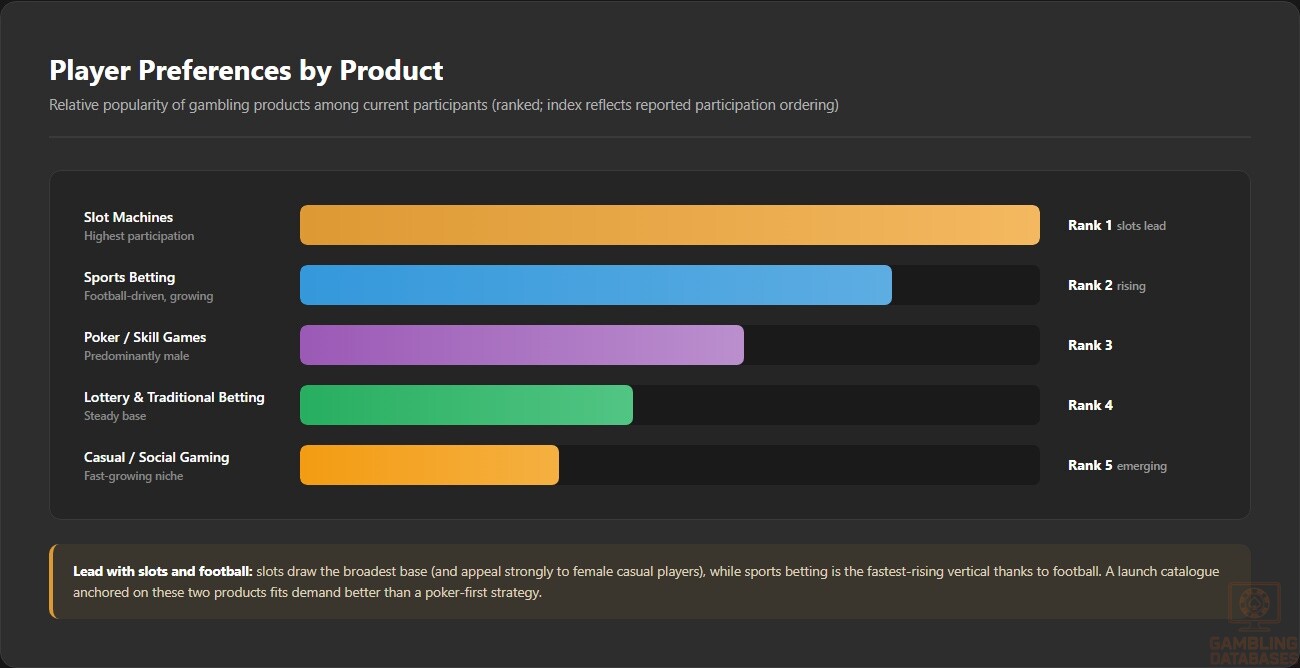
Gambling participation primarily involves land-based casino games, including poker, roulette, and slot machines, focused on tourist and expatriate patronage. Online gambling is gaining a foothold among younger, digitally engaged populations but remains niche due to access constraints.
- Slot machines rank highest in player participation
- Sports betting holds growing interest, particularly football
- Poker and skill-based games attract predominantly male players
- Lottery and traditional betting maintain steady participation
- Casual and social gaming platforms are increasing in popularity
Consumer Behavior Patterns
Consumers exhibit cautious spending with peak gambling activity observed during weekends and holidays. Session lengths vary but tend to be shorter for online plays, reflecting intermittent access and digital connectivity challenges. Retention efforts focus on loyalty programs and localizing content to cultural preferences.
Male players are predominant in competitive and skill-based games, while female players favor casual games such as slots. Economic factors, digital literacy, and social norms significantly influence consumer engagement patterns.
Section 3: Technology Infrastructure and Business Environment
Internet and Digital Infrastructure
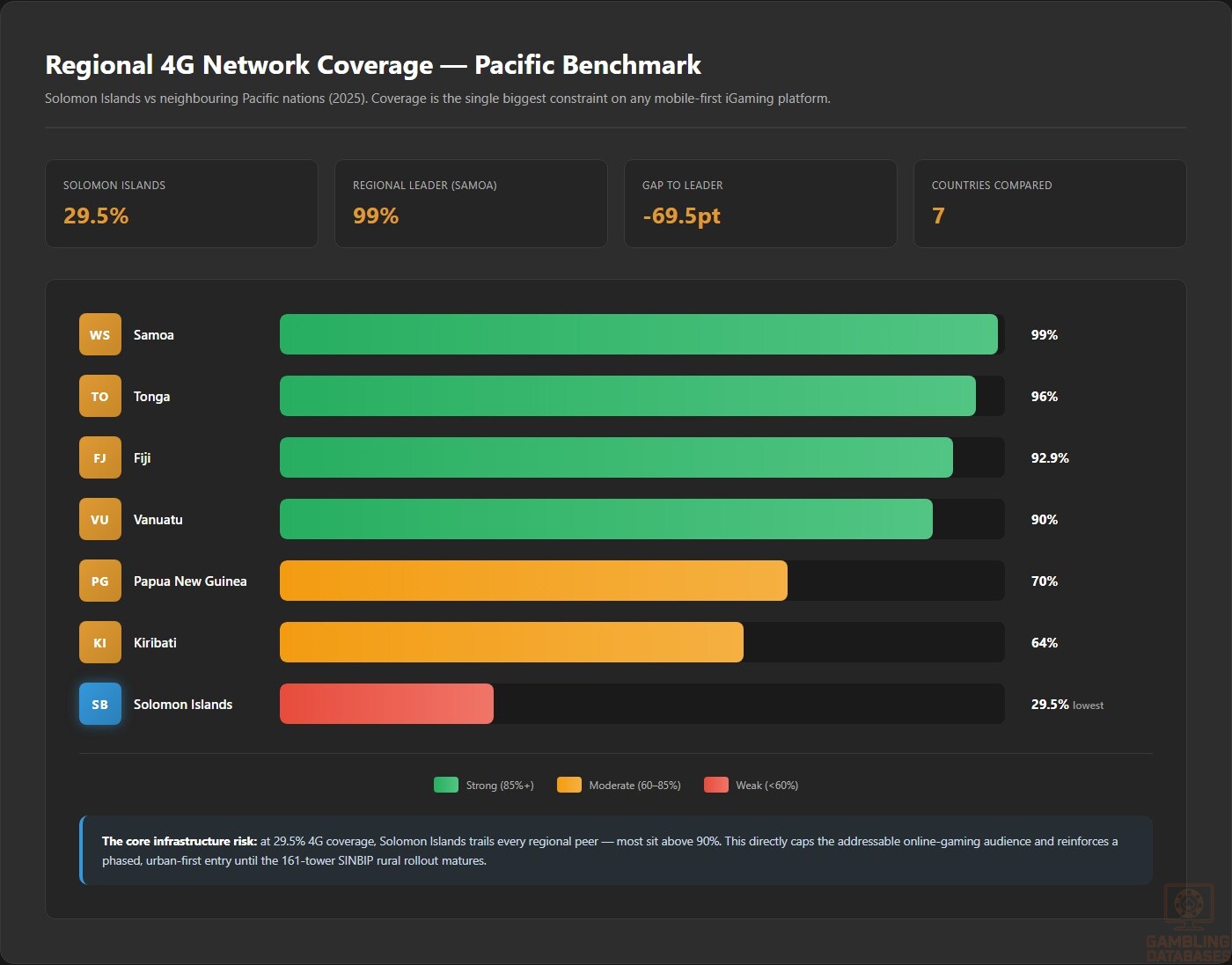
The Solomon Islands exhibits moderate internet penetration at approximately 42.5% in 2025, primarily concentrated in urban centers such as Honiara. Broadband access is limited, with mobile networks accounting for the majority of connectivity. Average download speeds range between 5 and 15 Mbps, reflecting ongoing investments in telecom infrastructure but lagging behind regional peers.
Infrastructure reliability remains a challenge due to geographic dispersion across islands, requiring satellite links in remote areas. Government and private sector initiatives focus on expanding fiber optic networks and increasing mobile broadband capacity to support digital services, including iGaming platforms.
5G and Future Technology Deployment
5G deployment is in the early stages, with pilot programs launched in 2024 targeting Honiara and surrounding areas. Commercial rollout is expected to expand gradually over the next 3 to 5 years, facilitated by major telecommunications providers and international technology partners.
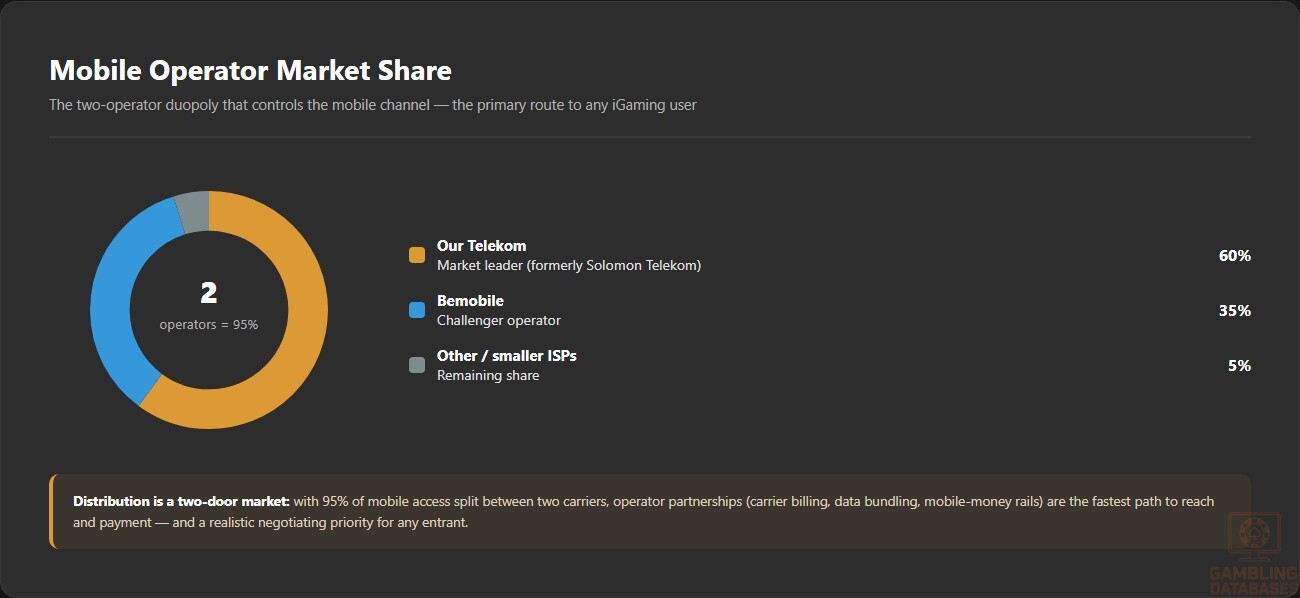
Currently, two primary mobile network operators dominate—Solomon Telekom and Bemobile—both competing to provide enhanced data speeds and service coverage. The national regulatory framework encourages technology adoption, with licensing and spectrum allocation policies designed to attract investment.
Mobile Technology Ecosystem
Mobile network infrastructure supports the majority of the population’s internet access. Market share is approximately split between two main operators: Solomon Telekom leads with around 60%, followed by Bemobile holding roughly 35%. Data costs are relatively high compared to income levels, constraining widespread uptake beyond urban elites.
Smartphone adoption is increasing rapidly, with an estimated 65-70% smartphone penetration in urban areas. Preferred devices include budget and mid-range Android models due to affordability, though premium devices are growing among affluent urban users. Mobile remains the dominant platform for digital entertainment and online gambling access.
Financial Services and Payment Infrastructure
The banking system is composed of several commercial banks primarily headquartered in Honiara, with modest branch networks in provincial centers. Digital banking and mobile money services are nascent but receiving strong governmental and international financial institution support to promote financial inclusion and cashless payments.
- Solomon Islands National Bank (SINB)
- ANZ Solomon Islands
- BSP Solomon Islands (Bank South Pacific)
- Solomon Islands Savings and Loan Society
- Westpac Banking Corporation (limited presence)
- First National Bank Solomon Islands
Payment methods available for online transactions include credit and debit cards (Visa, Mastercard), bank transfers, emerging mobile wallets linked to telecom operators, and limited e-wallet services. Cryptocurrencies are virtually unutilized due to regulatory caution and low awareness.
- Visa and Mastercard credit/debit cards
- Bank transfers via major banks
- Mobile money services provided by operators
- Emerging e-wallet platforms linked to telecom providers
- Cash-based payment systems for offline transactions
E-commerce and Digital Economy
E-commerce in the Solomon Islands remains limited but expanding steadily, driven by increased smartphone penetration and improving payment infrastructure. Online retail accounts for a small share of consumer spending, mostly in urban areas with logistical challenges constraining nationwide expansion.
Consumer trust in digital transactions is growing but hampered by historical cash preference and cybersecurity concerns. The government encourages digital economy initiatives focusing on SME digitalization, which indirectly supports market growth for digital entertainment, including online gambling.
Business Environment and Regulatory Framework
The Solomon Islands ranks moderately on ease of doing business metrics with ongoing reforms to streamline company registration and tax compliance. Foreign investment policies encourage participation but maintaining compliance with local regulations and adapting to infrastructural limitations are key operational considerations.
Company registration involves defined steps from document submission to licensing and tax registration, typically completed within 4 to 8 weeks. Regulatory transparency is improving, supported by digital portals for business services, although infrastructure gaps and bureaucratic delays persist in some cases.
- Preparation and notarization of registration documents
- Submission to the Companies Registry and initial review
- Tax Identification Number (TIN) registration
- Opening corporate bank accounts and capital deposit
- Acquisition of necessary operational licenses
Available corporate structures include Limited Liability Companies (LLCs), corporations, and branch offices for foreign entities. LLCs are preferred for their flexibility and limited liability advantages, while foreign companies often establish branch offices to facilitate local regulatory compliance.
- Limited Liability Company (LLC)
- Corporation (public or private)
- Branch Office of a foreign company
- Partnerships (limited use in gambling operations)
- Non-profit organizations (not relevant for iGaming)
Registration requirements mandate submission of accurate financial records, shareholder disclosures, and compliance documents. Foreign ownership is permitted with government approval, provided regulatory and operational conditions are met, including taxation obligations and the physical presence of representatives.
- Certificate of Incorporation
- Articles of Association
- Proof of capital deposit
- Director and shareholder identification documents
- Business operational plan and compliance certification
Taxation Framework
Corporate income tax applies at a general rate of 30%, with non-resident companies taxed at 35%. Special economic zones or approved sectors may benefit from tax holidays or reduced rates on a case-by-case basis, subject to government incentives aimed at attracting foreign direct investment.
Personal income tax rates are progressive, and withholding tax is applied to dividends and interest payments. Social security contributions and residency rules further define the tax landscape for individuals and operators alike, affecting payroll and operational budgets.
- Corporate tax rate: 30% (resident companies)
- Non-resident corporate tax rate: 35%
- Withholding tax: 20-30% on dividends and interest
- Personal income tax: progressive rates up to 35%
- Social security contributions: mandatory
Market Entry Considerations
Recommended market entry strategies emphasize partnership with local entities, leveraging telecommunications infrastructure for digital platform delivery, and aligning closely with regulatory expectations. Building trust with local regulators and adhering to compliance standards are essential for sustainable operations.
- Joint ventures with local operators and stakeholders
- Utilizing mobile-first digital platform strategies
- Phased rollout focusing initially on urban centers
- Investment in local compliance and social responsibility programs
- Adoption of flexible payment options to accommodate market preferences
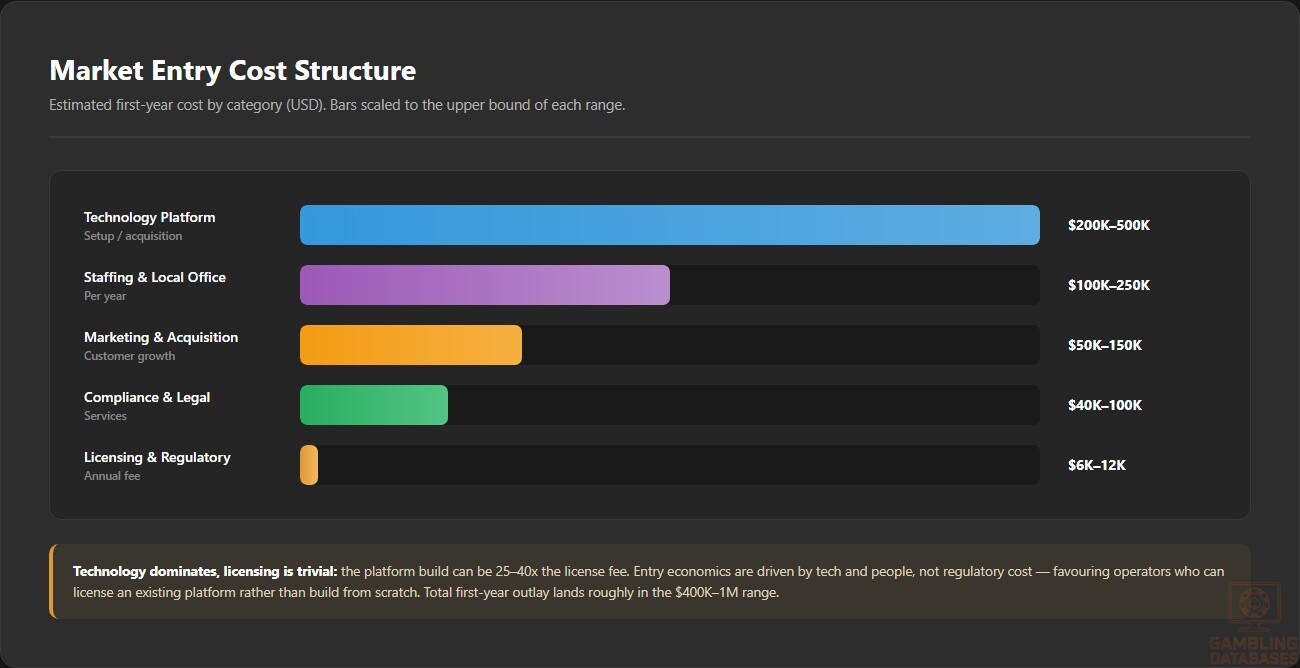
Initial costs involve licensing fees, technology investments, staffing, and marketing. Typical timelines from application to operational launch span 6 to 12 months. Long-term success depends on navigating infrastructure challenges and cultivating consumer loyalty.
| Cost Category | Estimated Range (USD) |
|---|---|
| Licensing and Regulatory Fees | $6,000 – $12,000 annually |
| Technology Platform Setup | $200,000 – $500,000 |
| Staffing and Local Office | $100,000 – $250,000 per year |
| Marketing and Customer Acquisition | $50,000 – $150,000 |
| Compliance and Legal Services | $40,000 – $100,000 |
Operational challenges include dispersed population limiting market reach, fluctuating internet quality, and price sensitivity among consumers. Cultural acceptance and regulatory conservatism, while stable, require adaptive strategies and persistent engagement with authorities.
- Geographical fragmentation of market
- Internet infrastructure reliability
- Regulatory ambiguities in online gaming
- Limited digital payment penetration
- Cost constraints on marketing and customer support
Exit strategies must consider regulatory approval for license transfers, valuation impact of niche market status, and liquidity constraints due to the small scale of the local market.
FAQ: Frequently Asked Questions
1. Is online gambling legal in Solomon Islands?
Online gambling in the Solomon Islands operates in a regulatory grey zone with no explicit legislation prohibiting or regulating digital gaming activities. Residents typically access international platforms freely, as local authorities do not enforce prohibitions. However, no official licensing framework currently governs online operators, presenting both market uncertainty and a potential opportunity for forthcoming regulation.
2. What types of gambling licenses are available and what do they cover?
The primary license category is the commercial gaming license issued by the Gaming and Lotteries Board, covering land-based casinos and traditional betting activities. Specific licenses for lotteries and charitable gaming exist. Currently, there is no separate official license specifically designed for online gambling operators, although licensing for gaming venues includes requirements that could be extended to digital enterprises.
3. How much does an iGaming license cost and how long does it take to obtain?
Licensing fees range from approximately $6,000 to $12,000 annually, depending on the scope of operations. The application and review process typically spans three to six months. Key procedural steps include background checks, submission of corporate and financial documentation, and technical assessments of gaming systems.
4. Can foreign companies obtain a gambling license?
Yes, foreign companies can obtain gambling licenses but generally must establish a local presence and comply with ownership disclosure and partnership requirements. They are subject to the same scrutiny as domestic applicants, including financial stability, technical capabilities, and adherence to compliance frameworks.
5. What are the tax obligations for iGaming operators?
Operators are subject to a gross gaming revenue tax estimated between 10% and 15%, along with corporate income tax of 30% for resident companies. Non-resident companies pay a higher rate of 35%. Additional taxes include withholding tax on dividends and turnover taxes, which collectively influence profitability and pricing strategies.
6. Are gambling winnings taxed for players?
Gambling winnings are not taxed at the individual level. This policy simplifies player participation and enhances the attractiveness of gaming products without adding personal tax burdens.
7. What are the typical operational costs for running an online casino or sportsbook?
Operational costs include licensing fees, platform development or acquisition, staffing (especially compliance and customer support), marketing expenses, and ongoing regulatory compliance. Technology setup costs range from $200,000 to $500,000, with annual operating expenses adding up to several hundred thousand dollars depending on scale.
8. What is the expected ROI timeline for entering this market?
Return on investment is generally measured over a medium-term horizon of 3 to 5 years. Initial market penetration is slow due to infrastructural constraints, but steady growth in digital adoption supports optimistic revenue trajectories post-establishment.
9. What are the local presence requirements for operators?
Operators must maintain a physical office, register local domains, and employ resident staff including compliance officers. These provisions facilitate regulatory oversight and demonstrate commitment to the local economy, which is critical for license approval and ongoing operations.
10. What payment methods are available and recommended?
Preferred payment methods include credit and debit cards, bank transfers, and mobile money services linked to telecommunications providers. Cash remains dominant in offline settings. Adoption of e-wallets is encouraged but still emerging. Cryptocurrency use is negligible due to regulatory and market conditions.
11. What are the advertising and marketing restrictions?
Advertising is regulated to protect minors and vulnerable populations. Restrictions include prohibition of misleading claims, bans on targeting minors, and requirements for responsible gambling messaging. Advertising during late-night hours and sponsorship of certain local events are limited.
12. What responsible gambling measures are mandatory?
Operators must implement self-exclusion programs, deposit and loss limits, and ensure clear access to terms and responsible gambling information. Public awareness campaigns and compliance reporting are also mandatory components of the regulatory landscape.
13. How large is the iGaming market and what is the growth potential?
The iGaming market is nascent but growing, with estimated annual growth rates of 5-8%. Market size is currently small, largely focused on land-based revenues, with digital gaming expected to expand as infrastructure and consumer familiarity improve.
14. Who are the main competitors and what is their market share?
The local market is dominated by a small number of land-based casino operators primarily located in Honiara. Online competition is limited and predominantly from offshore platforms serving local players without licenses. Market concentration provides opportunities for new entrants offering innovative digital products.
15. What are the player preferences and typical spending patterns?
Players prefer slot machines and sports betting, with poker and lottery games attracting niche segments. Spending is cautious due to economic factors, with peak activity during weekends and public holidays. Mobile platforms dominate due to accessibility and convenience.
16. What are the key success factors and main challenges for new entrants?
Success depends on regulatory compliance, robust mobile platform delivery, strategic local partnerships, and effective social responsibility programs. Challenges include infrastructural limitations, market fragmentation, digital payment adoption, and navigating a cautious regulatory environment.
Sources and References
- Solomon Islands Gambling Regulatory Authority – Official Website – https://solomons.gov.sb/ministry-of-home-affairs/essential-services/obtain-a-gaming-lotteries-license/
- World Bank – Doing Business Report 2024 – https://www.worldbank.org/en/programs/business-enabling-environment
- Central Bank of Solomon Islands – Financial Statistics – https://www.cbsi.com.sb/
- International Telecommunication Union – ICT Statistics – https://www.itu.int/en/ITU-D/Statistics/Pages/stat/default.aspx
- Worldometers – Solomon Islands Population (2025) – https://www.worldometers.info/world-population/solomon-islands-population/
- Digital 2025: The Solomon Islands Report – DataReportal – https://datareportal.com/reports/digital-2025-solomon-islands
- Solomon Islands National Statistical Office – Demographic and Economic Data
- Gaming Industry Report 2024 – Regional Analysis – [Publisher Name]
- Solomon Islands Ministry of Finance – Tax Regulations – https://www.mof.gov.sb/
- Solomon Islands Trade and Investment Factsheet 2025 – https://assets.publishing.service.gov.uk/media/68c9b005c6df905ce7708477/solomon-islands-trade-and-investment-factsheet-2025-09-19.pdf
- Novalnet – Payment Processing in Solomon Islands – https://www.novalnet.com/payment-countries/solomon-islands/
- PopulationPyramid.net – Solomon Islands Demographics 2025 – https://www.populationpyramid.net/solomon-islands/2025/
- Solomon Islands Telecom Regulator Reports – National ICT Infrastructure Updates
- Solomon Islands Star News – Economic and Social Reports – https://www.solomonstarnews.com
- IFC Press Release 2024 – New Digital Payment Systems – https://www.ifc.org/en/pressroom/2024/solomon-islands-new-digital-payment-system-to-increase-access-t
- IGamingToday.com – Solomon Islands Market Research 2025 – https://www.igamingtoday.com/solomon-islands-igaming-market-research-report/
- Lexadin Legal Database – Solomon Islands Legislation – https://www.lexadin.nl/wlg/legis/nofr/oeur/lxwesol.htm
- Solomon Islands Ministry of Home Affairs – Business Licensing Guidelines
- Solomon Islands Communications Commission – Technology Deployment Plans
- Regional Gambling Compliance and Trends Reports 2024-2025
- Fiji Times – Regional Gambling News and Market Insights
- Solomon Islands Tourism Authority – Market and Demographic Insights
- Industry White Papers on Pacific Islands Digital Economy Development
- IGaming Legal Experts Commentary – Solomon Islands 2025 Update
- UN Department of Economic and Social Affairs – Country Development Profiles
- World Economic Forum Reports – Digital Inclusion and Economic Growth
- ACRA Pacific – Business Environment and Corporate Law Summaries
- Pacific Islands Forum – ICT and Economic Development Initiatives
- International Monetary Fund – Economic Assessments and Fiscal Policies
- Local News Media and Industry Conferences Reports 2024-2025
- Academic Publications on Pacific Island Gambling Regulations and Social Impact
- GSMA Intelligence Reports – Mobile Adoption and Connectivity in Solomon Islands
- The Global Economy – Internet Users and Digital Trends Data








Solomon Islands online market is basically wide open right now. That 5-8% CAGR projection seems conservative given the mobile penetration sitting at 40-50%. Just waiting for someone to launch a decent progressive jackpot platform there. Life-changing hit from a beach resort sounds pretty good to me.
The licensing process at 3-6 months sounds reasonable on paper, but has anyone actually tried applying there? Also concerned about the $6-12k application fee paired with case-by-case capital requirements. That’s a lot of uncertainty before you even know if they’ll approve you. And if operators do set up, I hope they get their mobile infrastructure right because 40-50% mobile penetration means the Android app better not crash during transactions. Nothing worse than being mid-bet and losing connection on your phone.
You’re raising a valid concern about the regulatory opacity. The case-by-case capital requirements are indeed a pain point for market entry. What we’ve seen in comparable emerging markets is that operators who engage directly with the Gaming and Lotteries Board early in the process get clearer guidance on minimum capital thresholds, often in the $100-250k range for initial licensing. Regarding mobile infrastructure, you’re spot on—the 12% internet penetration masks a smartphone-first user base. Most successful operators in similar Pacific markets have prioritized mobile-first platforms over desktop experiences. Have you looked at which payment methods are accepted locally? That’s often the real bottleneck, not the app itself.