

Tuvalu presents a unique and evolving opportunity in the global iGaming landscape, primarily driven by its recent introduction of a formal online gaming licensing framework. While historically lacking specific gambling regulations, Tuvalu’s 2023 establishment of the Tuvalu Gaming Authority has positioned the country as a promising offshore jurisdiction.
The combination of minimal regulatory costs, tax incentives, and streamlined licensing processes creates attractive conditions for international operators seeking an agile and low-overhead market entry point within the Pacific region.
| Metric | Value |
|---|---|
| Gambling Legal Status | Regulated online gambling with new offshore license introduced in 2023 |
| Primary Regulator | Tuvalu Gaming Authority (TGA) |
| Population | Approx. 11,000 |
| GDP | ~$42 million USD (2024 estimate) |
| Internet Penetration | ~65% |
| Mobile Penetration | ~80% |
| License Type | Offshore Online Gaming License |
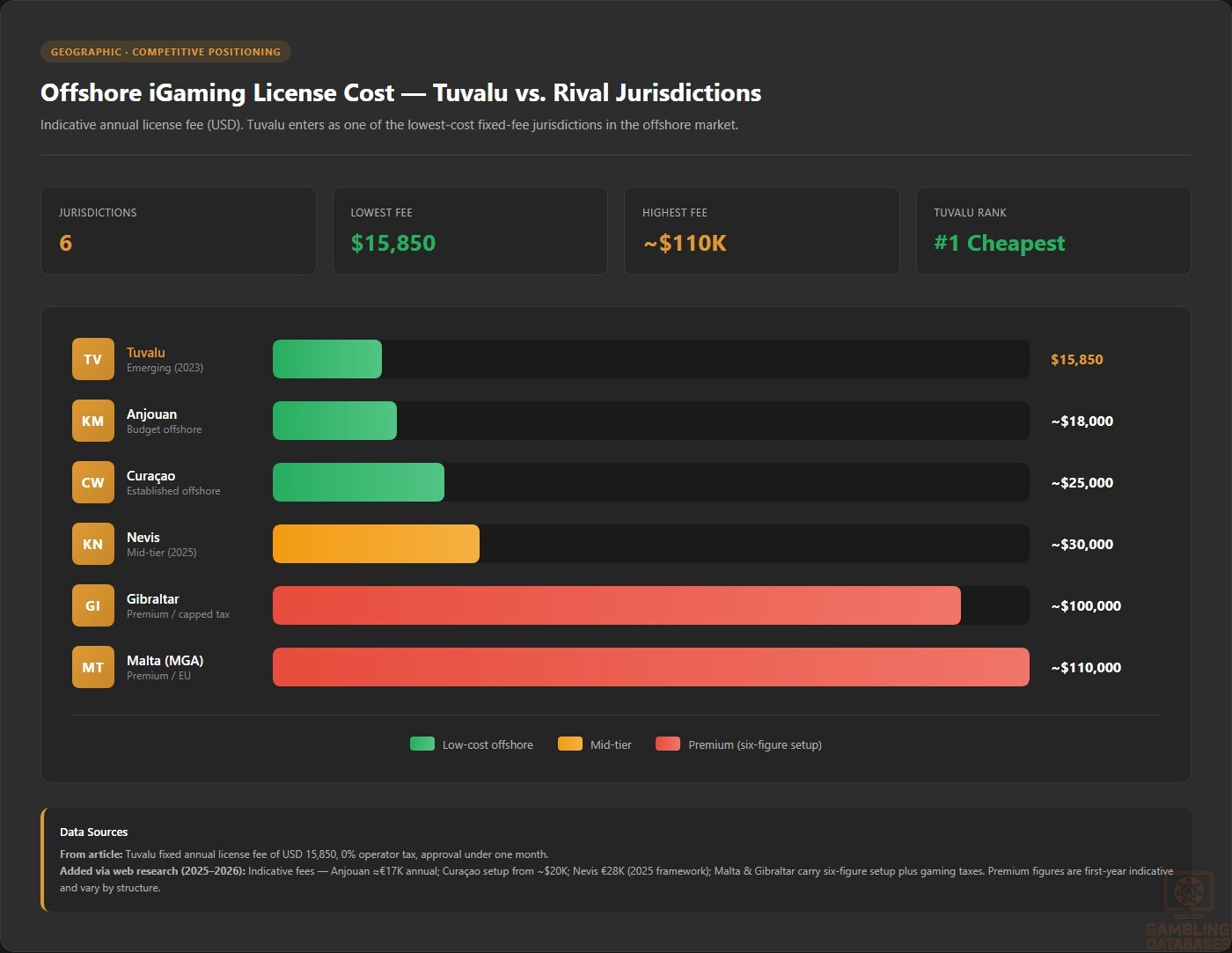
| License Fee | USD 15,850 (fixed annual fee) |
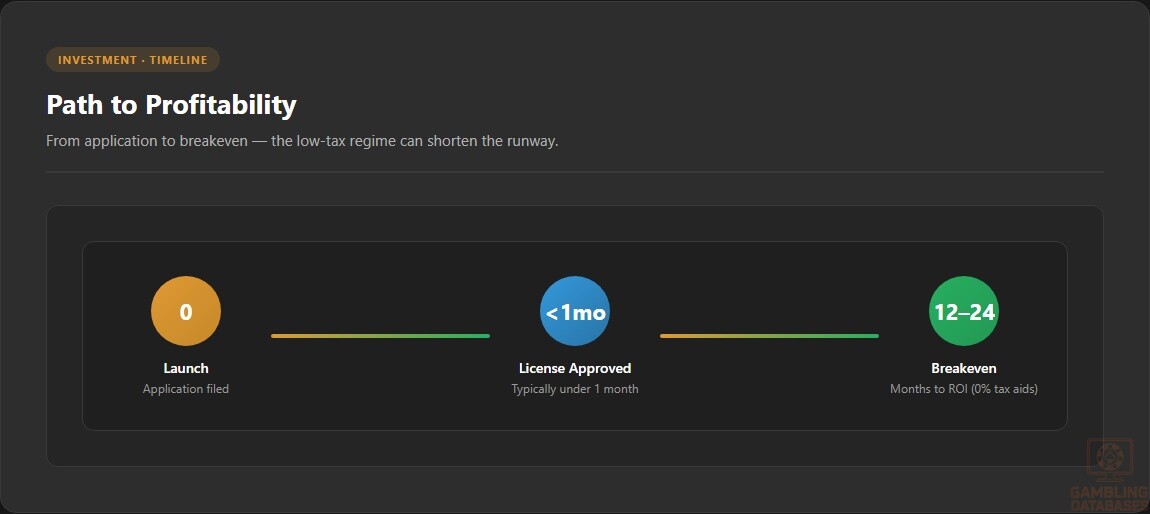
| License Approval Time | Under 1 month (typically) |
| Local Presence Requirement | None required |
| Corporate Tax on Operators | 0% |
| Gross Gaming Revenue (GGR) Tax Rate | None currently |
| Minimum Capital Requirement | Not specified |
| Application Documents Required | Business plan, compliance policy, identity checks, financial info |
| Responsible Gambling Measures | Mandatory self-exclusion and KYC policies |
| Market Penetration (iGaming) | Nascent/early stage, growing interest |
| Market Size | Not formally established; opportunity for offshore operators |
| ARPU | Not available |
| Growth Forecast (CAGR) | Projected stable growth aligned with global online gaming trends |
| Payment Solution Support | Multiple international payment providers and EMIs supported |
| Advertising Restrictions | Standard compliance with ethical promotional standards |
| Enforcement Mechanisms | Under development; no historical precedents |
| Penalties for Violations | Fines, license revocation, potential criminal charges |
| Market Entry Barriers | Low regulatory hurdles; no local director or entity required |
| Operational Requirements | Compliance with KYC/AML, responsible gaming policies |
| Business Environment | Small economy, low regulatory burden, strategic Pacific location |
| Technology Infrastructure | Developing; increasing internet and mobile access |
Section 1: Regulatory Framework and Legal Environment
Current Gambling Regulation Status
Tuvalu historically lacked a formal regulatory framework for gambling, with no specific laws governing land-based or online gambling until recent developments in 2023. The country’s legal system combines local traditions with aspects of common law, resulting in limited formal regulation of gambling activities. Gambling has not been a significant social or economic activity within Tuvalu, reflecting cultural norms and the nation’s small population.
In response to global market interest, Tuvalu introduced an offshore online gaming licensing regime, creating a legal avenue for international operators without requiring a local physical presence. The regulatory landscape remains nascent but is focused on providing a streamlined and cost-effective licensing option.
Land-Based Gambling Activities
There is virtually no established land-based gambling industry within Tuvalu. Due to the limited population and geographic isolation, traditional casino operations, dedicated sports betting venues, or slot machine halls do not exist commercially. Existing gambling-related activities are minimal and largely informal, governed more by cultural attitudes than regulatory mandates.
Local restrictions derive from general legal provisions rather than targeted gambling laws, and the government maintains a cautious stance towards expansion of land-based gambling.
Online Gambling Framework
The Tuvalu Gaming Authority (TGA) was established to oversee gambling activities with the launch of an offshore online gaming license in 2023. This regulatory framework enables the issuance of licenses for real money online casinos, sportsbooks, and other digital gaming platforms aimed at international markets rather than local players.
The framework prohibits unlicensed gaming operations but does not impose direct restrictions on players within Tuvalu due to the absence of a domestic market. Compliance requirements focus on operational standards, fair play verification, anti-money laundering (AML), and responsible gaming practices by licensees.
Licensed Operators and Market Players
The market for licensed operators is at an introductory stage. Key players are primarily startups and established companies targeting the offshore market who seek a low-cost, fast-track licensing jurisdiction. Although specific licensee data is limited, the competitive environment favors flexibility, speed, and minimal overheads.
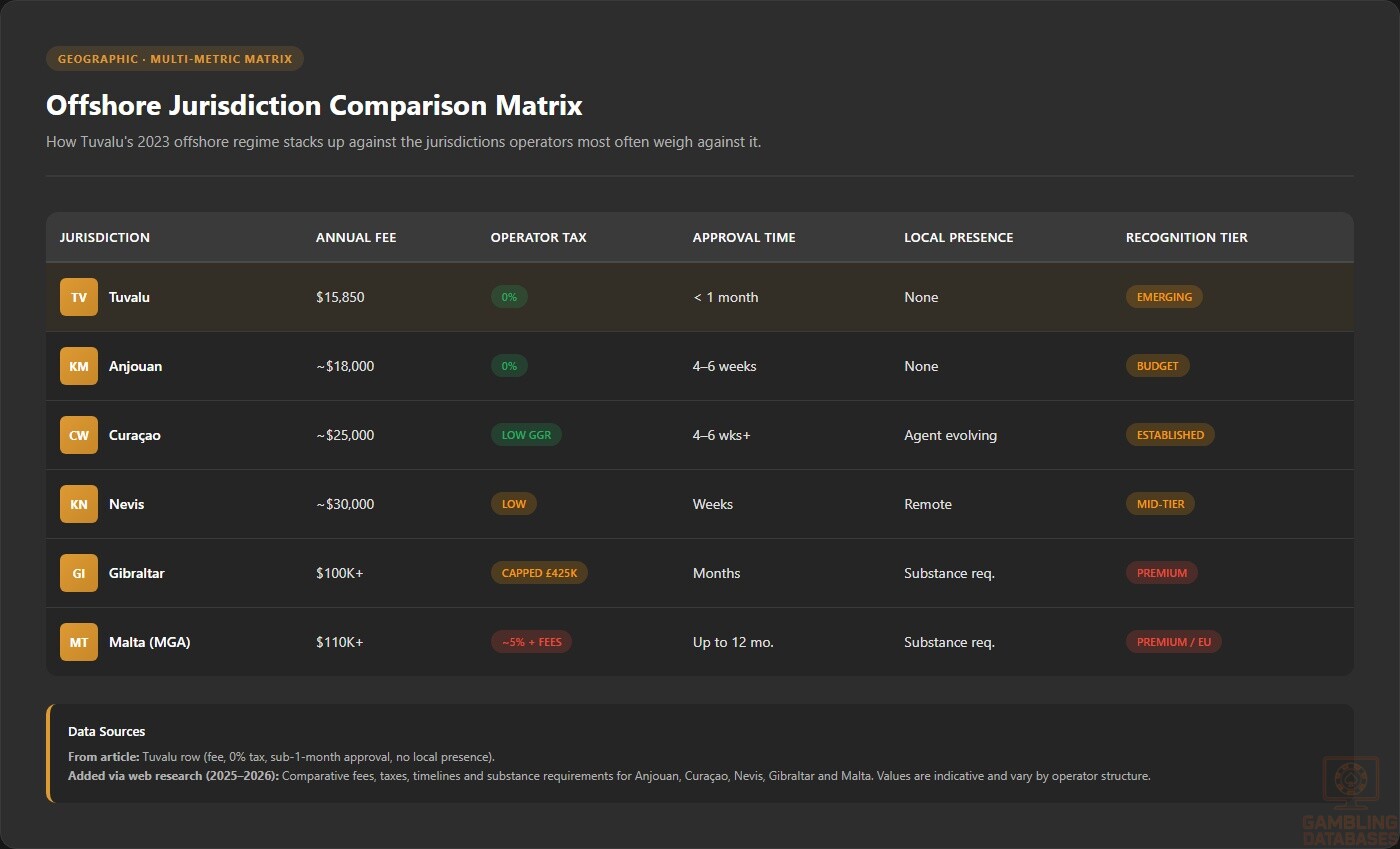
Tuvalu’s offshore license competes with jurisdictions like Curaçao and Malta by offering no local presence requirements and zero corporate tax, attracting operators prioritizing cost efficiency and regulatory simplicity.
Licensing Framework and Requirements
Application Process and Eligibility
The Tuvalu Gaming Authority administers the licensing process, designed to be swift with approvals typically issued in under one month. Applicants are foreign companies with no mandate to establish a local entity, director, or compliance officer, promoting an innovation-friendly business model.
The application requires submission of detailed documentation supporting financial integrity, business plans, compliance frameworks, and identity verification.
The licensing framework mandates the following documents and certifications:
- Corporate registration and business plan
- Financial projections and funding proof
- KYC and Anti-Money Laundering (AML) procedures documentation
- Technical compliance and game fairness certification
- Identities and background checks of key personnel
- Responsible gambling policy outline
Local Presence and Operational Requirements
Tuvalu does not impose requirements for physical presence, local directors, or Nigerian compliance officers for license applicants. Websites operated under the Tuvalu license may use local or international domains without restriction.
Foreign ownership is unrestricted, and partnership with local entities is not mandatory, thus supporting fully remote operations.
Operational obligations include maintaining ongoing compliance with KYC, AML, and responsible gambling standards, with regulatory reporting as stipulated by the TGA.
Compliance Obligations and Monitoring
Player Protection and Identification
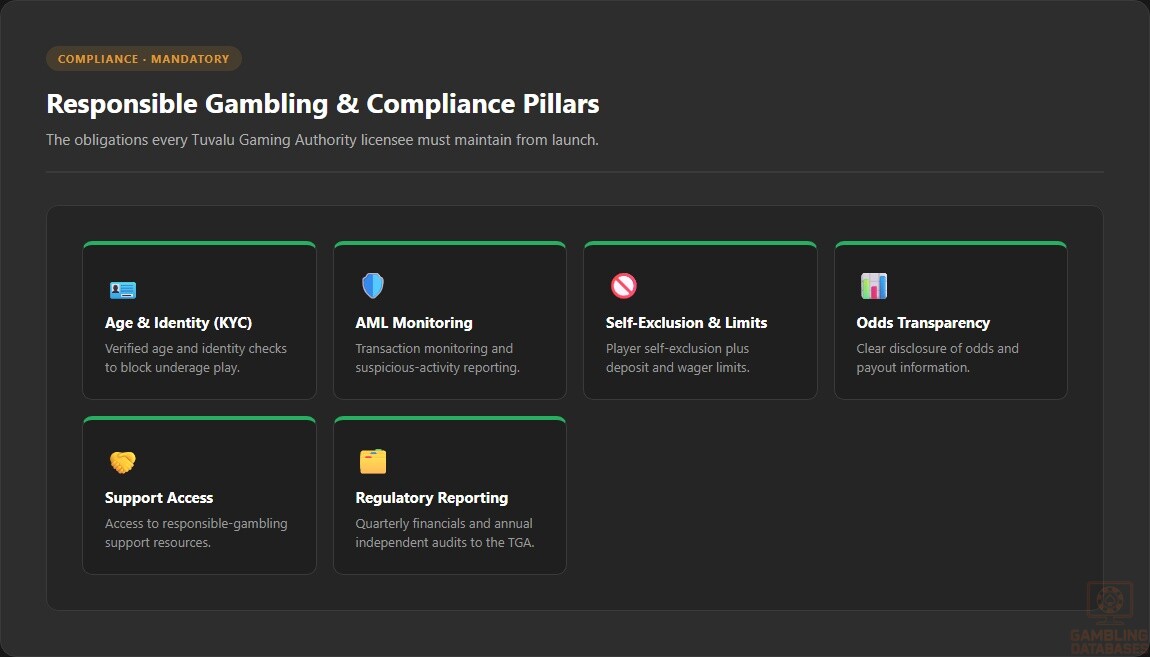
Licensees are required to implement strict identification procedures including age verification to ensure no underage gambling. KYC/AML standards align with international norms to detect and prevent fraud, money laundering, and other illicit activities.
Responsible gambling policies are mandatory with provisions for self-exclusion programs, player limit setting, and transparent information disclosure. Operators must ensure the protection of vulnerable players and promote fair gaming practices.
Mandatory player protection measures include:
- Verified age and identity checks
- Anti-money laundering compliance
- Self-exclusion and player limit options
- Transparency in odds and payouts
- Access to responsible gambling support resources
Financial Monitoring and Reporting
Operators must establish transaction monitoring systems capable of identifying suspicious activities promptly. Financial reporting includes periodic submission of revenue, tax payments, and compliance audits to the Tuvalu Gaming Authority.
- Submission of quarterly financial statements
- AML compliance and suspicious activity reports
- Annual independent audits certification
- Immediate notification of regulatory breaches or incidents
Taxation Structure and Financial Obligations
Player Taxation
Tuvalu imposes no tax on player winnings, offering a tax-free environment for gamblers. There are no withholding tax requirements on player payouts under the current regulatory framework.
Operator Taxation
The offshore iGaming license offers corporate tax exemption, with no gross gaming revenue (GGR) or turnover taxes currently imposed on operators. This creates a highly advantageous regime for gaming companies.
| Game Type | Tax Rate |
|---|---|
| Online Casino | 0% |
| Sports Betting | 0% |
| Lottery | 0% |
| Skill Games | 0% |
| Other Offline Games | Not Applicable |
License renewal fees are fixed at the annual licensing cost of USD 15,850, with no additional turnover or revenue taxes imposed to date.
Gambling Market Financial Performance
Due to Tuvalu’s nascent market status, formal statistics on total wagered amounts or industry revenues are unavailable. Market potential lies largely in attracting international offshore operators.
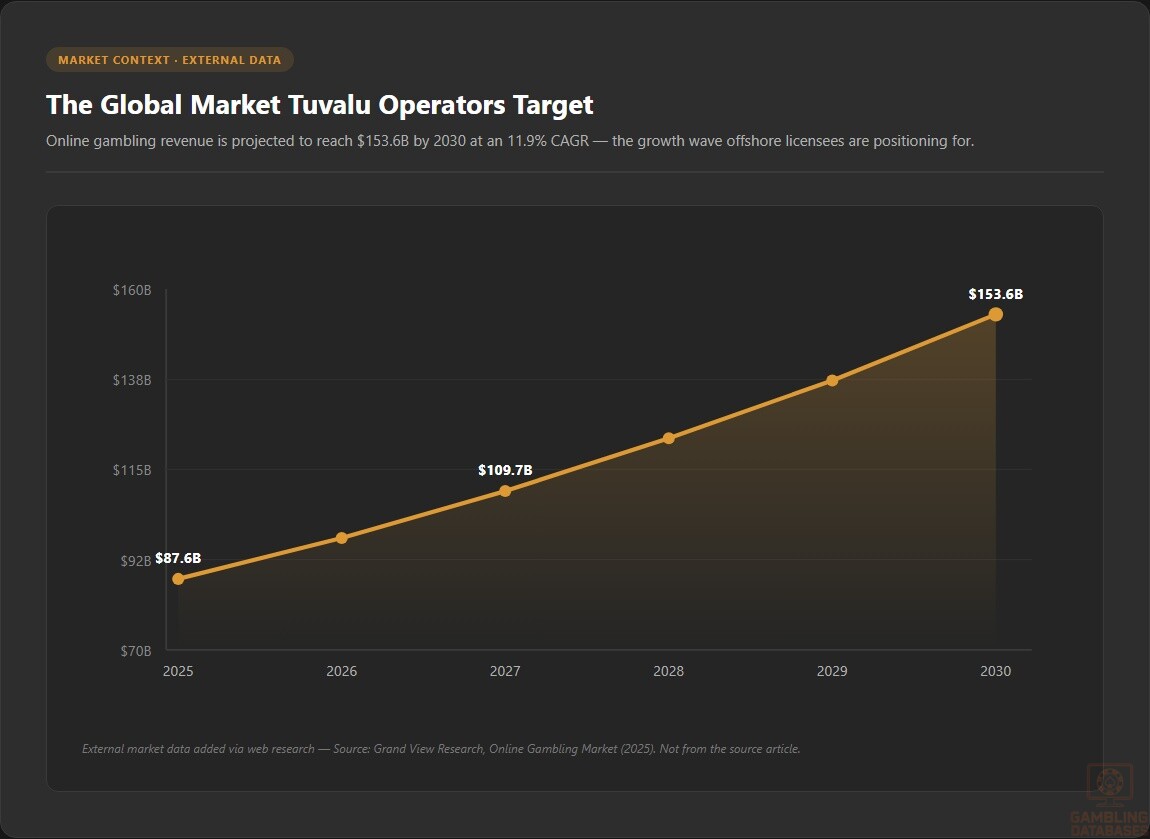
Globally, the offshore licensing sector is growing, and Tuvalu aims to capture market share through competitive fiscal incentives and regulatory flexibility.
Advertising and Marketing Restrictions
Advertising activities under the Tuvalu license must follow ethical standards and avoid misleading or harmful practices. While detailed local advertising laws are limited, operators are expected to comply with internationally accepted advertising codes of conduct.
Promotional activities targeting jurisdictions where online gambling is illegal remain prohibited. Sponsorships and marketing campaigns are subject to regulatory oversight on a case-by-case basis.
Advertising channel categories subject to common restrictions include:
- Television and radio broadcasts
- Online marketing and digital ads
- Social media promotions
- Sports event sponsorships
- Email and direct marketing campaigns
Recent Regulatory Changes and Their Impact
In 2023, Tuvalu enacted foundational reforms establishing the Tuvalu Gaming Authority and launching the offshore iGaming license. This marked a decisive shift from a virtually unregulated gambling environment to a formal licensing regime. The reforms cut regulatory barriers, accelerated market entry, and introduced operator transparency.
The impact includes increased regulatory credibility, attraction of international operators, and a structural foundation for future regulatory evolution aligned with market needs.
Enforcement Mechanisms and Penalties
Enforcement remains under development due to the newness of the regulatory framework. The TGA holds authority to suspend or revoke licenses and impose fines for non-compliance. Serious violations could lead to criminal charges under general legal provisions.
Distinct enforcement mechanisms include:
- License suspension and revocation
- Monetary fines for breaches
- Mandated corrective actions and compliance audits
- Criminal prosecution for serious offenses
- Public warnings and reputational sanctions
Section 2: Demographics and Consumer Analysis
Population Demographics and Distribution
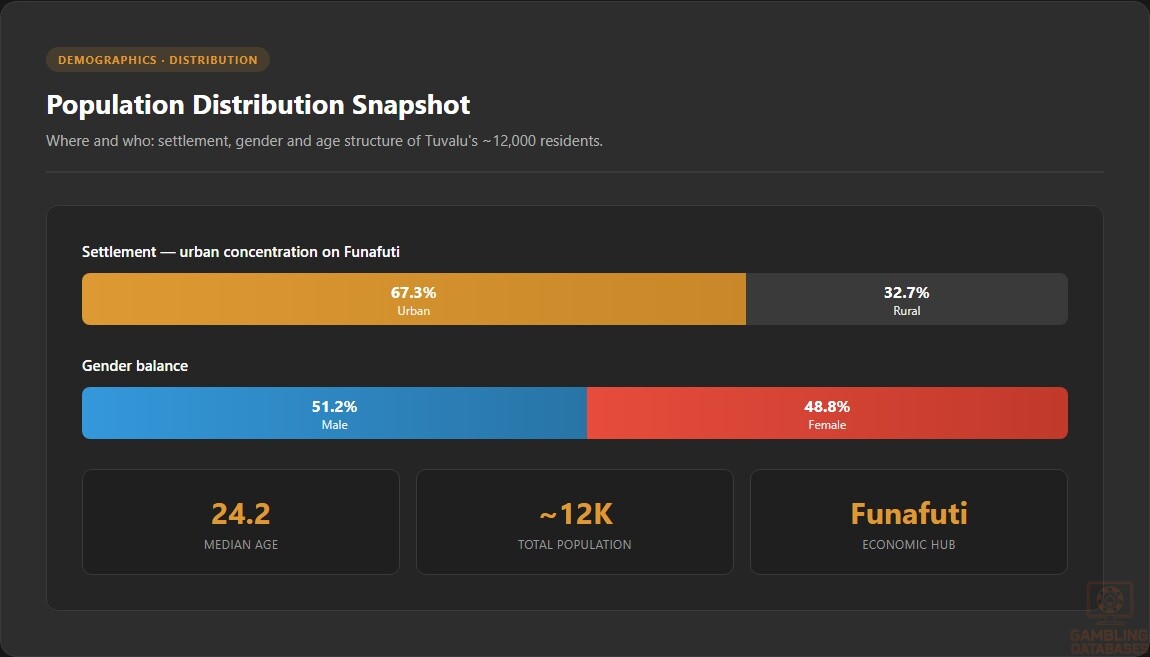
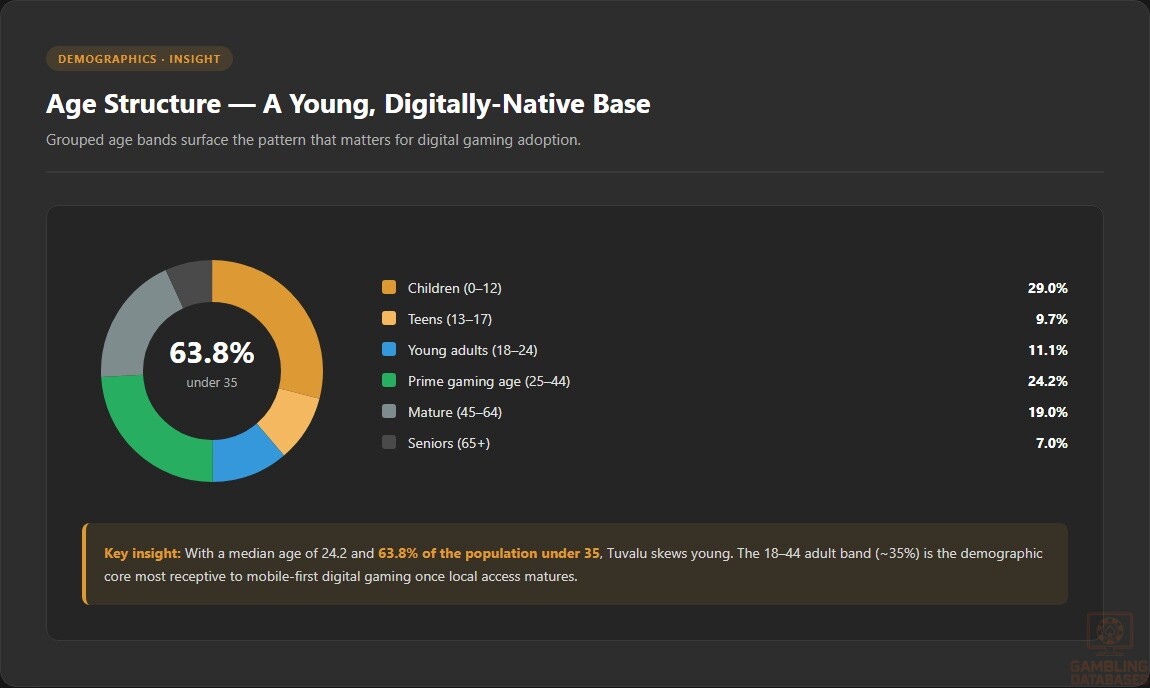
Tuvalu’s population in 2025 is estimated to be approximately 12,000 people, making it one of the world’s smallest nations by population size. The median age is youthful at around 24.2 years, reflecting a relatively young demographic profile with substantial portions under 35 years old.
Gender distribution is slightly male-skewed, with approximately 51.2% male and 48.8% female. Urban centers house about 67.3% of the population, while the remaining 32.7% reside in rural islands and settlements, indicating moderate urban concentration primarily on Funafuti, the capital.
| Age Group | Percentage of Population |
|---|---|
| 0-4 years | 10.8% |
| 5-12 years | 18.2% |
| 13-17 years | 9.7% |
| 18-24 years | 11.1% |
| 25-34 years | 14.0% |
| 35-44 years | 10.2% |
| 45-54 years | 9.0% |
| 55-64 years | 10.0% |
| 65+ years | 7.0% |
The urban population is primarily concentrated in the capital island of Funafuti, which serves as the political and economic hub. Other population centers include smaller islands with largely subsistence economies and limited infrastructure. Internet penetration rates correlate closely with urban residency, as rural areas often experience slower connectivity and infrastructure limitations.
Economic Indicators and Consumer Spending Power
Tuvalu’s economy remains small and vulnerable, with a projected GDP growth rate of 3% in 2025 following a rebound from pandemic impacts. The GDP is estimated at approximately $42 million USD, with the economy reliant on fishing license fees, foreign aid, and public sector spending.
Economic activities are mainly concentrated in government services and subsistence agriculture, with limited private sector development. Consumer spending power is modest, constrained by low average incomes and few formal employment opportunities.
Household income distribution is uneven but generally low, with many families relying on remittances and informal earnings. Disposable income is limited, affecting discretionary expenditures such as gaming and entertainment.
| Indicator | Value |
|---|---|
| GDP (Nominal) | $42 million USD |
| GDP Growth Rate | 3.0% |
| Per Capita GDP | ~$3,500 USD |
| Inflation Rate | 1.2% |
| Unemployment Rate | Moderate, estimated 8-10% |
| Major Economic Sectors | Government services, agriculture, fishing |
Education, Skills, and Digital Literacy
Literacy rates in Tuvalu are high, reflecting strong government emphasis on basic education. Educational programs increasingly incorporate digital literacy, with initiatives to enhance computer skills and online access among youth and adults.
Approximately half of the younger population has access to internet-enabled learning platforms, boosted by government partnerships to install satellite internet in schools. Workforce skills remain limited by the small economy but show gradual improvement in technology adoption and online proficiency, essential for growing digital sectors like iGaming.

Cultural and Social Factors
Communication and Language
The primary language is Tuvaluan, with English widely used in government, education, and business. Internet and media consumption skew towards English content due to broader accessibility, alongside strong local language communities maintaining cultural traditions.
Cultural Attitudes
Gambling participation remains culturally low and socially inconspicuous, influenced by traditional values and limited exposure. The conservative social fabric, combined with religious and communal norms, generally discourages gambling as a mainstream activity.
Foreign brands face a neutral but cautious reception, as local consumption emphasizes trusted relationships and social ties. Entertainment preferences are inclined towards community events and traditional forms of socialization rather than commercial gaming activities.
Problem Gambling and Social Considerations
Problem gambling prevalence remains low given minimal market size and engagement. The limited exposure to gambling mitigates widespread social concerns; however, increasing digital access necessitates proactive measures for player protection and harm minimization.
Government response measures include the following proactive programs:
- Public education on responsible gambling
- Community support and counseling services
- Self-exclusion programs promoted by emerging licensed operators
- AML/KYC monitoring to prevent illicit financial flows
- Collaboration with regional bodies on gambling harm awareness
Political Structure and Governance
Tuvalu operates a stable parliamentary democracy with a strong tradition of political continuity and governance transparency. The regulatory environment reflects steady institutional development but remains cautious due to the country’s economic fragility and environmental vulnerabilities.
Trade openness and international cooperation contribute to a business environment supportive of niche sectors like offshore iGaming, balanced against the need for social stability and sustainable development priorities.
Technology Adoption and Digital Behavior
Internet and Digital Usage
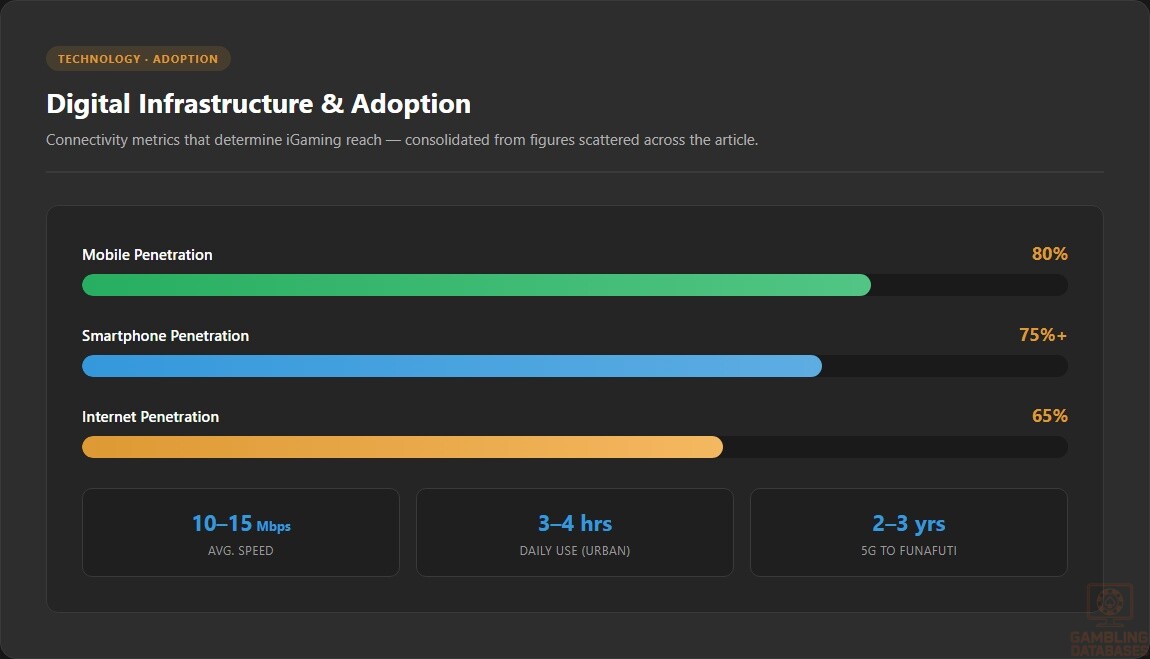
Internet penetration is estimated at approximately 65%, with mobile adoption higher at about 80%. Daily internet usage averages 3-4 hours in urban areas, primarily through mobile devices.
Social media platforms have grown in popularity, facilitating communication and entertainment, although digital infrastructure challenges remain in remote islands.
Popular social media platforms include:
- Facebook, with strong engagement across all adult age groups
- Instagram, particularly among youth demographics
- YouTube, widely used for entertainment and educational content
- WhatsApp, favored for messaging and group communication
- Twitter, utilized mainly for news and public discourse
Digital Payment Behavior
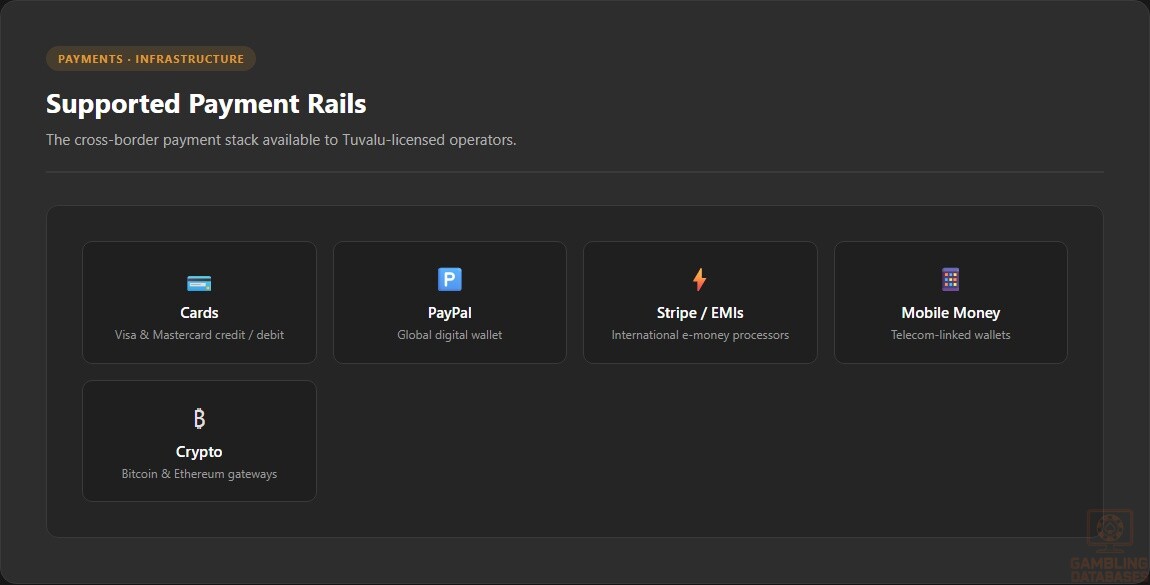
Digital payment adoption is emerging with a preference for international payment providers and mobile wallets supporting cross-border transactions. Cryptocurrency use remains nascent but is gaining attention among tech-savvy users and operators.
Market payment methods with significant use include:
- Visa and Mastercard credit/debit cards
- PayPal for online transactions
- Stripe and other EMIs facilitating payments
- Mobile money services linked to telecom providers
- Emerging cryptocurrency gateways supporting Bitcoin and Ethereum
Gaming and Gambling Preferences
Current Market Participation
Participation in formal gambling is minimal domestically, reflecting traditional cultural restrictions and limited local offerings. Most engagement occurs through informal activities or digital offshore platforms accessible online.
| Rank | Gambling Activity | Estimated Participation (%) |
|---|---|---|
| 1 | Informal social betting (e.g., raffles, family betting) | 12% |
| 2 | Offshore online casino play | 7% |
| 3 | Sports betting (offshore) | 5% |
| 4 | Lottery and sweepstakes | 3% |
| 5 | Skill and casual games with stakes | 2% |
Consumer Behavior Patterns
Spending on gambling is cautious and typically limited by disposable income constraints. Online gaming sessions tend to favor short, frequent engagements rather than extended play. Platform preferences lean towards mobile-friendly operators due to high mobile penetration and flexible access.
User retention is supported by localized customer support and culturally sensitive marketing. Peak usage times correlate with evening hours and weekends, aligned with leisure availability. Operators targeting Tuvaluan consumers must emphasize trust, transparency, and responsible gambling to build long-term loyalty.
Section 3: Technology Infrastructure and Business Environment
Internet and Digital Infrastructure
Tuvalu’s internet penetration stands at approximately 65%, with a significant share of access occurring through mobile broadband rather than fixed-line connections. Broadband internet remains limited due to the country’s remote island geography and infrastructure challenges, leading to variable speeds and occasional outages.
Recent government and international initiatives have accelerated investments in satellite and undersea cable technologies, improving reliability and expanding bandwidth, though overall average speeds hover around 10-15 Mbps across major islands.
Infrastructure modernization efforts are ongoing, focusing on extending fiber-optic networks and strengthening wireless coverage to facilitate business adoption and consumer usage consistent with Pacific Island standards.
5G and Future Technology Deployment
The rollout of 5G technology in Tuvalu is in early exploratory stages, with feasibility studies underway as of 2025. No commercial 5G deployments exist yet, but plans aim to introduce selective 5G infrastructure in Funafuti within the next 2-3 years, focusing on enhancing mobile data capacity and supporting future digital economy growth.
Network operators are evaluating partnerships and international funding sources for technology upgrade programs that will position Tuvalu competitively within the Pacific digital ecosystem.
Mobile Technology Ecosystem
Mobile network infrastructure includes a small number of providers, primarily state-owned or regional telecom companies. Coverage is mainly concentrated around urban zones, with rural and outer islands experiencing lower service quality.
Smartphone penetration exceeds 75% of the population, fueling mobile internet use and enabling emerging digital services by both consumers and businesses. The preference for affordable Android devices is strong, aligned with broader Oceania regional trends.
The mobile network operators in Tuvalu include:
- Tuvalu Telecom (state-owned, market leader)
- Pacific Mobile Communications
- IslandNet Services
- Coral Telecom
- Oceanic Wireless (regional provider)
Financial Services and Payment Infrastructure
The banking sector is small but evolving, with growing adoption of digital banking services that enhance payment convenience. Account penetration remains limited due to geographic and economic constraints but steadily increasing.
Major banks operate primarily out of Funafuti, providing retail and business financial services, including online banking that supports e-commerce and international transactions.
Active banks and financial institutions include:
- National Bank of Tuvalu
- Oceanic Savings and Loan
- Pacific Trust Bank
- Island Finance Corporation
- Coral Bay Bank
Payment processing options encompass credit and debit cards, e-wallets, bank transfers, and emerging digital wallets. Integration with multiple international payment gateways facilitates offshore gaming operators’ needs and supports growing consumer transactions.
Payment processing methods available:
- Visa and Mastercard credit/debit cards
- PayPal digital wallet
- Stripe payment gateway
- Mobile money systems linked to major telecom providers
- Cryptocurrency payment gateways including Bitcoin and Ethereum
E-commerce and Digital Economy
E-commerce penetration is nascent but rising, powered by expanding internet access and increased mobile device use. Online retail remains limited in scale but growing steadily as consumer trust in digital payments and logistic infrastructure improves.
Digital services such as mobile banking, online education, and entertainment platforms form the core of the digital economy, with incremental expansion into online gambling and gaming sectors anticipated.
Business Environment and Regulatory Framework
Tuvalu ranks moderately in global ease of doing business rankings, with strengths in regulatory transparency but challenges posed by remote location and limited infrastructure. Market entry processes are simplified to encourage foreign investment, particularly in digital sectors like iGaming.
Business registration typically proceeds through the following steps:
- Preparation and notarization of incorporation documents (2-3 weeks)
- Submission to the Business Registry and review (5-7 business days)
- Licensing and tax registration with relevant authorities (3-5 days)
- Opening local bank accounts for operational needs (1-2 weeks)
- Final registration approval and operating certificate issuance (2-3 days)
Corporate Structure and Registration
Key corporate entity options include Limited Liability Companies (LLC), Corporations, and Branch Offices for foreign companies. The LLC is most recommended for iGaming operators due to liability protection and operational flexibility.
Registration requirements emphasize good standing with foreign jurisdictions, compliance with local laws, and submission of financial and governance documentation. Foreign ownership is permitted without restriction.
Required registration documents typically include:
- Certificate of Incorporation from home jurisdiction
- Articles of Association or equivalent
- Proof of registered office and contact details
- Identification and background checks of directors and beneficial owners
- Tax registration certificates and financial statements
Taxation Framework
Corporate income tax is currently set at 0% for licensed iGaming operators, with no applicable tax holidays as the regime is newly established. This tax exemption is a strategic incentive to attract offshore operators.
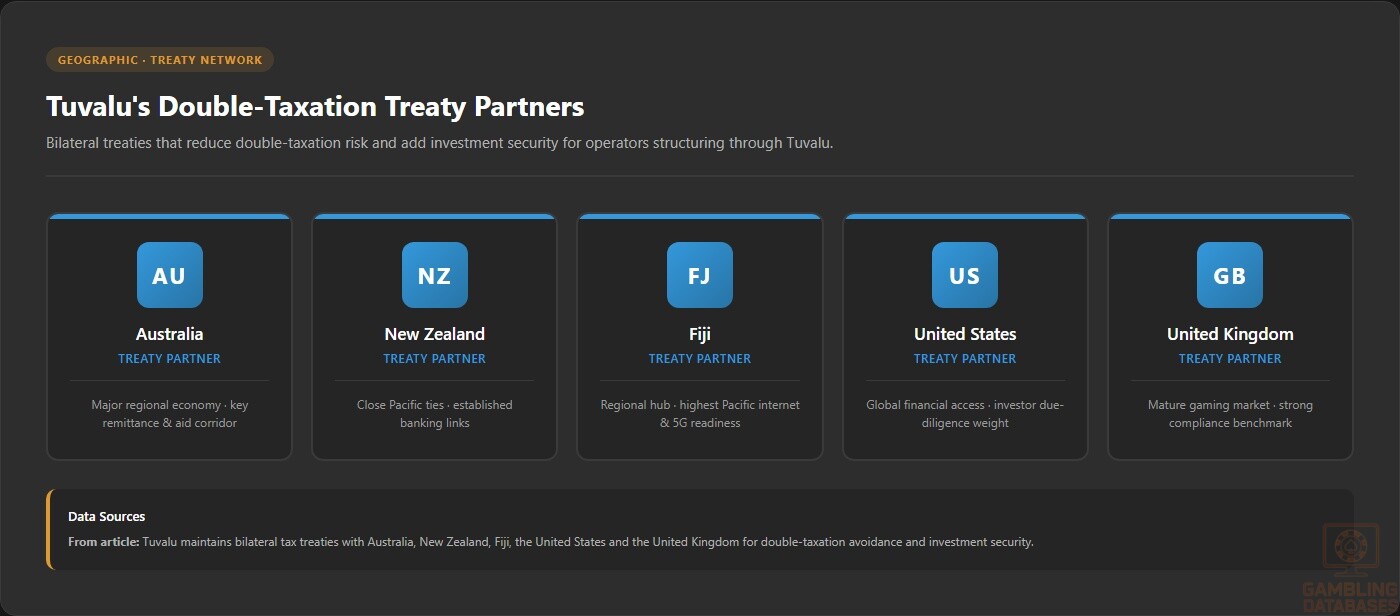
Tuvalu maintains bilateral tax treaties with key nations facilitating double taxation avoidance and investment security. Personal income tax applies on a progressive scale to residents, supplemented by social security contributions.
Countries with tax treaties include:
- Australia
- New Zealand
- Fiji
- United States
- United Kingdom
Market Entry Considerations
Recommended market entry strategies emphasize leveraging the offshore licensing framework to benefit from minimal regulatory burdens and zero tax costs. Establishing partnerships with local telecom and financial service providers can optimize operational efficiency.
Entry strategies include digital platform development focused on mobile users, adopting rigorous compliance systems for KYC/AML, and targeting regional markets with tailored marketing approaches.
Key entry strategies to consider:
- Applying for the offshore iGaming license with streamlined documentation
- Partnering with local firms for payment and customer service infrastructure
- Developing mobile-first gaming platforms
- Implementing robust responsible gambling policies from launch
- Targeting Asia-Pacific markets leveraging Tuvalu’s strategic location
Typical cost elements involve license fees, technology infrastructure investments, local support services, compliance program setup, and marketing expenditure. Initial investments vary but remain competitive within global iGaming markets.
| Cost Category | Estimated Cost (USD) |
|---|---|
| License Application & Renewal Fees | 15,850 annually |
| Technology Platform Setup | 100,000 – 250,000 |
| Compliance and Legal Services | 30,000 – 60,000 |
| Marketing and User Acquisition | 50,000 – 150,000 |
| Operational & Support Staff Costs | 40,000 – 90,000 |
FAQ: Frequently Asked Questions
1. Is online gambling legal in Tuvalu?
Yes, Tuvalu legalized online gambling with the establishment of the Tuvalu Gaming Authority in 2023. The country offers an offshore online gaming license targeted at international operators. Gambling within Tuvalu itself is limited, but operators licensed by TGA may service players globally.
2. What types of gambling licenses are available and what do they cover?
The principal license is the Offshore Online Gaming License, which covers real money online casinos, sports betting, poker, lottery, and skill games. The regime currently does not differentiate licenses by game type but maintains strict compliance and operational standards.
3. How much does an iGaming license cost and how long does it take to obtain?
The license fee is a fixed annual cost of USD 15,850. The application process typically takes under one month, reflecting the streamlined and efficient regulatory approach. Application fees are non-refundable, and renewal follows the same payment structure.
4. Can foreign companies obtain a gambling license?
Yes, foreign companies are eligible without the need for local entity incorporation. The process requires submitting corporate and regulatory compliance documents, plus background checks. There are no ownership restrictions or mandates for local directors.
5. What are the tax obligations for iGaming operators?
Operators under the Tuvalu offshore license benefit from a 0% corporate income and gross gaming revenue tax rate. This tax neutrality is a major attractor. Operators must, however, comply with local regulatory fees and standard business taxes where applicable.
6. Are gambling winnings taxed for players?
No, Tuvalu does not impose any taxes on player winnings. There are no withholding requirements on payouts, making it advantageous for players and simplifying operator financial processes.
7. What are the typical operational costs for running an online casino/sportsbook?
Operational costs vary based on scale, but major categories include technology platform licensing, licensing & compliance costs, marketing and promotions, payment processing fees, and customer support staffing. Costs can range from moderate to high depending on market entry strategy and target user base.
8. What is the expected ROI timeline for entering this market?
Return on investment typically ranges from 12 to 24 months depending on operational efficiency, market penetration success, and marketing effectiveness. The low tax burden may accelerate breakeven compared to other jurisdictions.
9. What are the local presence requirements for operators?
Tuvalu does not require local physical presence, offices, or directors for licensed operators. This promotes remote operation models, enabling global companies to enter with minimal footprint and overhead.
10. What payment methods are available and recommended?
Recommended payment methods include major credit/debit cards, PayPal, mobile money, bank transfers, and cryptocurrencies such as Bitcoin and Ethereum. Integration with internationally recognized payment providers ensures reliable cross-border transactions.
11. What are the advertising and marketing restrictions?
Advertising must align with ethical standards, avoiding targeting minors or promoting excessive gambling. Operators are expected to comply with international best practices and local content regulations, with approval required for certain promotions.
12. What responsible gambling measures are mandatory?
Licensees must implement player age verification, KYC procedures, self-exclusion programs, limits on deposits and wagers, and provide access to support services for problem gamblers. Regular reporting on compliance efforts to the regulator is also required.
13. How large is the iGaming market and what is the growth potential?
The domestic market is very small but the offshore licensing regime targets international growth, leveraging Tuvalu’s tax benefits and regulatory environment. Global iGaming growth trends suggest stable expansion potential for operators based in Tuvalu.
14. Who are the main competitors and what is their market share?
Main competitors are other established offshore jurisdictions such as Curaçao, Malta, and Gibraltar. Tuvalu’s unique selling points are its zero tax regime and rapid licensing, attracting operators focused on cost efficiency.
15. What are the player preferences and typical spending patterns?
Players in the region prefer mobile-accessible gaming, casual casino games, and sports betting. Spending is cautious, with emphasis on shorter sessions and frequency, driven by income levels and leisure habits.
16. What are the key success factors and main challenges for new entrants?
Success depends on rigorous compliance management, culturally sensitive marketing, platform reliability, and competitive payment options. Challenges include infrastructure limitations, limited local market size, and regional competition.
Sources and References
- Tuvalu Gambling Regulatory Authority – https://www.igamingtoday.com/gambling-regulation-in-tuvalu/
- Tuvalu Government Official Publications and Legal Frameworks
- World Bank Doing Business Report 2024
- International Monetary Fund – Tuvalu Article IV Consultation 2025
- Digital 2025: Tuvalu Internet and ICT Report
- National Statistics Office of Tuvalu – Demographic Data 2025
- Population Review and Worldometers – Tuvalu Population 2025
- Pacific Telecommunications Reports – Tuvalu Mobile and Internet Infrastructure
- Central Bank of Tuvalu Financial Statements 2025
- Research and Markets – Global Gambling Market Report 2025
- Industry Reports from GamingTec and Vixio Gaming
- Local and Regional Financial Institutions Publications
- Tuvalu National ICT Policy Document
- LinkedIn Insights on Tuvalu Licensing 2025
- International Trade and Tax Treaty Reports
- United Nations Development Programme Reports on Tuvalu
- Tuvalu Ministry of Finance and Economic Development
- Reports on Pacific Island Digital Economy Development
- Agriculture and Social Reports on Tuvalu Socioeconomic Factors
- Academic Publications on Gambling Across Cultures – specific to Oceania
- Tuvalu Electoral Commission and Political Governance Documentation
- Technology Infrastructure and Satellite Internet Implementation Updates
- Payment Gateway Providers’ Market Integration Information
- Tuvalu Tourism and Economic Development Strategy Documents
- Regional Collaboration Agreements on AML and Responsible Gambling Efforts