

Saint Kitts and Nevis offers attractive opportunities for iGaming operators due to its strategic Caribbean location and favorable regulatory environment. The jurisdiction provides a structured framework for online gambling with relatively low barriers to entry. This analysis explores the comprehensive regulatory landscape, licensing requirements, and operational challenges for market entry.
| Metric | Value |
|---|---|
| Gambling Legal Status | Legal and regulated for both land-based and online gaming |
| Regulatory Authority | Nevis Island Administration & St. Kitts Gaming Commission |
| Population | 53,000 (approx.) |
| GDP (nominal) | $1.1 billion USD |
| GDP per capita | $20,750 USD |
| Internet Penetration | 87% of population |
| Mobile Penetration | Over 90% |
| Main Currency | Eastern Caribbean Dollar (XCD) |
| Gaming License Types | Master License, Sub-License, Remote Gaming License |
| License Fee | $30,000 – $50,000 USD (varies by license) |
| GGR Tax Rate | 5% standard, up to 15% for specific games |
| Corporate Tax Rate | 0% corporate tax on gaming revenues |
| Minimum Capital Requirement | $200,000 USD |
| License Validity | 1 year, renewable |
| KYC/AML Compliance | Mandatory under FIU regulations |
| Responsible Gambling Requirements | Self-exclusion, deposit limits, player protection |
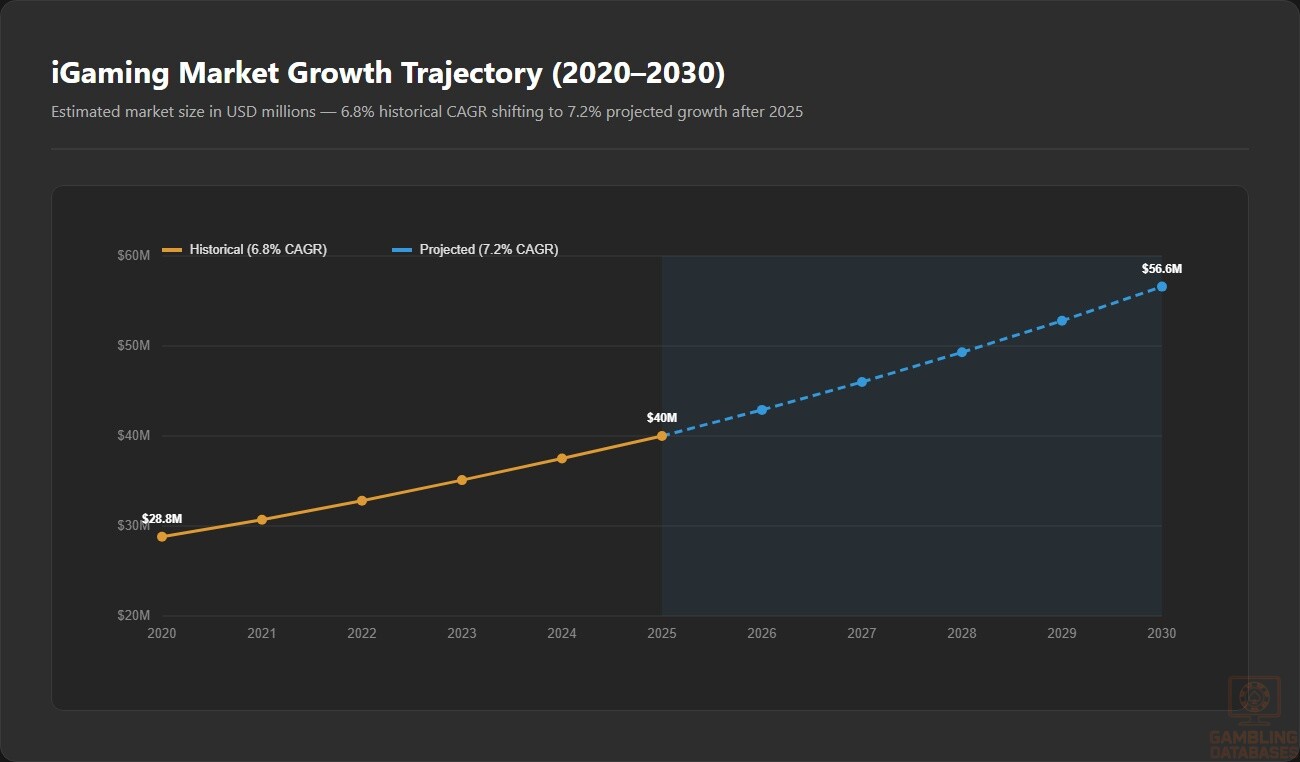
| Average Market Growth Rate (CAGR) | 7.2% projected (2025-2030) |
| iGaming Market Size | $40 million USD estimated 2025 |
| Market Penetration | 12% active online gamblers |
| Average Revenue Per User (ARPU) | $800 USD annually |
| Payment Methods Supported | Credit cards, e-wallets, bank transfers, crypto |
| Time to Obtain License | 3-6 months |
| Local Presence Required | Yes, local agent or office required |
| Advertising Restrictions | Limited to responsible content, no targeting minors |
| Enforcement Agency | Nevis Financial Services Department |
| Anti-Money Laundering Oversight | Financial Intelligence Unit (FIU) |
| Player Taxation | None on winnings |
| License Renewal Fee | $15,000 USD |
| Gross Gaming Revenue Reporting | Monthly required |
| Technical Audit Frequency | Annual independent audit required |
Section 1: Regulatory Framework and Legal Environment
Current Gambling Regulation Status
Saint Kitts and Nevis maintains a comprehensive legal framework governing gambling activities, including land-based and online operations. All forms of betting and gaming fall under the jurisdiction of the Nevis Gaming Authority and the St. Kitts Gaming Commission. The regulatory framework encompasses casino gaming, sports betting, lotteries, and electronic gaming machines. Land-based gambling is permitted with specific licensing, while online gambling is regulated under dedicated digital gaming legislation enacted in recent years. Certain games such as online poker and traditional casino table games are regulated strictly with mandatory licensing and operational guidelines, ensuring market integrity and player protection.
Land-Based Gambling Activities
Land-based gambling operations include licensed casinos primarily located in St. Kitts and Nevis, offering a variety of gaming options including slots, table games, and sports betting facilities. Sports betting venues operate under strict licensing and regulatory supervision. Slot machine halls are typically confined to licensed casino premises. Other forms of land-based gambling such as lotteries are controlled by government-authorized entities. The regulatory authorities monitor compliance rigorously to prevent illegal gaming and ensure fair play.
Online Gambling Framework
The online gambling framework in Saint Kitts and Nevis is well-defined, allowing licensed operators to offer casino, sports betting, and lottery services online. Prohibited activities include unlicensed operations and games involving unregulated virtual currencies. The regulatory commission enforces strict oversight with mandatory reporting and compliance checks. Operators must comply with technical standards related to software certification, random number generation, and cybersecurity measures. The framework promotes responsible gambling through mandated player protection measures.
Licensed Operators and Market Players
The Saint Kitts and Nevis iGaming market consists of a mix of local and international operators holding valid licenses. Market competition remains moderate, with several regional operators leveraging the jurisdiction as a hub for Caribbean market access. Licensed operators are subject to regular audits and compliance mandates, maintaining high operational standards. Entry strategies often involve partnerships with local entities, allowing foreign investors to meet regulatory local presence requirements.
Application Process and Eligibility
Applications for gaming licenses are submitted to the St. Kitts Gaming Commission, which evaluates applicants based on financial stability, technical capacity, and reputation. The process includes background checks on all directors and beneficial owners. Financial requirements include maintaining a minimum capital reserve. Technical standards demand approved gaming software with RNG certification and secure IT infrastructure to protect player data. License fees depend on the type of license and scope of gaming activities covered. Processing times vary between 3 to 6 months depending on application completeness and regulatory review schedules.
The licensing framework requires submission of multiple documents:
- Corporate registration certificate and articles of incorporation
- Audited financial statements for the past three years
- Business plan detailing market strategy and financial projections
- Technical documentation of gaming platform and RNG certification
- Criminal background checks for all directors and beneficial owners
- Proof of minimum capital deposit in licensed bank
- Anti-money laundering policies and procedures
- Responsible gambling policy and player protection measures
Local Presence and Operational Requirements
Operators must maintain a local presence in Saint Kitts and Nevis through a physical office or a registered local agent to comply with regulatory mandates. Domain registration for online platforms requires local jurisdictional control. Staffing must include compliance officers knowledgeable in local gaming legislation. Foreign ownership is permitted but requires transparent disclosure and adherence to local partnership policies designed to ensure regulatory oversight and market integrity. Operational mandates include submission of periodic reports and cooperation with regulatory audits.
Player Protection and Identification
Saint Kitts and Nevis enforces rigorous player protection and identification measures, including mandatory age verification at registration and ongoing KYC checks. Anti-money laundering (AML) standards are aligned with Financial Intelligence Unit (FIU) regulations, requiring thorough customer due diligence. Responsible gambling measures mandate self-exclusion options, deposit limits, and access to player support resources. Operators must maintain transparent disclosure of terms and conditions and support player complaint mechanisms.
Mandatory player protection measures include:
- Age verification at account creation
- Ongoing identity verification through document checks
- Self-exclusion programs available to players
- Deposit and betting limits configurable by operator and player
- Access to responsible gambling educational materials
- Regular monitoring for suspicious behavior
- Complaints resolution channels
Financial Monitoring and Reporting
Operators are required to monitor all financial transactions with detailed reporting to the regulatory authorities. Reporting includes monthly gross gaming revenue submissions, suspicious activity reports, and annual independent audits to ensure compliance. Audits focus on financial transparency, anti-fraud mechanisms, and adherence to tax obligations. The regulatory commission employs risk-based monitoring to target operators with irregular activity for in-depth examination.
The reporting process includes multiple mandatory steps:
- Monthly submission of gross gaming revenue reports
- Quarterly submission of audited financial statements
- Immediate reporting of suspicious transactions
- Annual independent technical audits of gaming systems
- Compliance review meetings with regulatory commission
- License renewal reporting and fee submission
Player Taxation
There is no direct taxation on players’ winnings in Saint Kitts and Nevis, enhancing the attractiveness of the jurisdiction for gamblers. No withholding tax is imposed on payouts, leaving full prize amounts to players. This policy supports player retention and encourages participation in the iGaming market.
Operator Taxation
Operators face a gross gaming revenue (GGR) tax of 5%, with specific games subject to higher rates up to 15%. License renewal fees stand at $15,000 annually with no additional turnover taxes. Corporate income from gaming activities benefits from 0% taxation, providing fiscal incentives for established businesses.
| Game Type | GGR Tax Rate |
|---|---|
| Casino Games (slots, table games) | 5% |
| Sports Betting | 7.5% |
| Lotteries | 10% |
| Virtual Currency Games | 15% |
Gambling Market Financial Performance
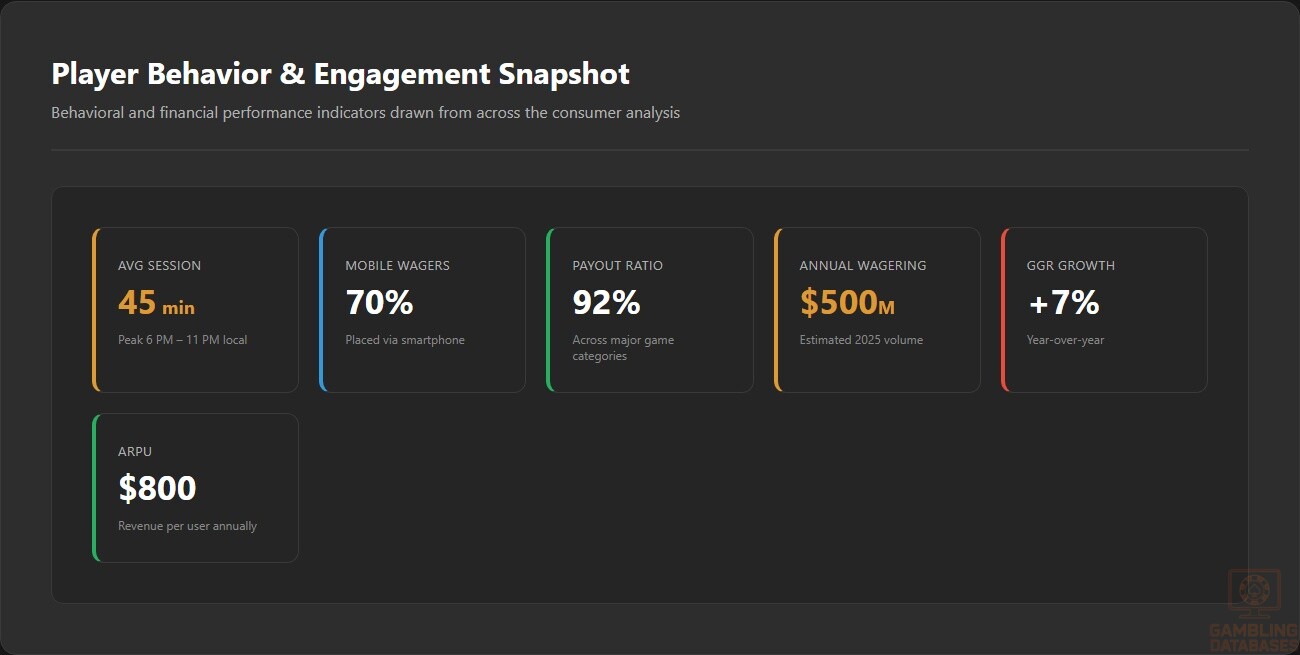
The Saint Kitts and Nevis iGaming market has shown steady growth, with estimated annual wagering volumes reaching $500 million in 2025. Reported gross gaming revenues have increased by 7% year-over-year, reflecting expanding player interest and market maturity. Tax revenues from gaming contribute significantly to national income, supporting public and economic development initiatives. The payout ratio across major game categories averages 92%, indicating a player-friendly environment.
Advertising and Marketing Restrictions
Advertising of gambling services in Saint Kitts and Nevis is tightly regulated to ensure consumer protection and limit exposure to vulnerable groups. Permitted advertising channels include print, online, and broadcast media but must adhere to restrictions preventing targeting of minors or misleading claims. Promotions are subject to limitations on bonus offers and must clearly disclose terms and conditions. Sponsorships involving gambling operators face oversight with specific prohibitions on association with youth events.
Permitted advertising channels include:
- Print media (newspapers, magazines)
- Online platforms (websites, social media)
- Television commercials
- Radio broadcasts
- Outdoor advertising (billboards, posters)
Recent Regulatory Changes and Their Impact
In 2023, Saint Kitts and Nevis introduced a revised licensing regime streamlining application procedures and reducing approval times. Taxation rates on certain gaming categories were adjusted to enhance competitiveness while maintaining fiscal revenues. The revised framework strengthened AML and responsible gambling measures, increasing operational costs but improving market trust. These changes have encouraged new entrants while reinforcing regulatory compliance among existing operators.
Enforcement Mechanisms and Penalties
Enforcement agencies deploy multiple mechanisms to ensure compliance:
- Monetary fines for unlicensed operations
- Suspension or revocation of licenses for non-compliance
- Criminal prosecution for fraud or money laundering
- Seizure of assets related to illegal gambling
- Public warnings and operational restrictions
Section 2: Demographics and Consumer Analysis
Saint Kitts and Nevis has an estimated total population of 53,000, with a youthful demographic profile. Approximately 62% of the population falls within the 15-44 age bracket, providing a substantial base of working-age adults. The median age is around 33 years, reflecting moderate population aging trends typical for Caribbean territories. The gender ratio is nearly balanced with a slight female majority at 51.5% compared to 48.5% male.
| Age Group | Percentage |
|---|---|
| 0-14 years | 25% |
| 15-24 years | 18% |
| 25-44 years | 44% |
| 45-64 years | 10% |
| 65+ years | 3% |
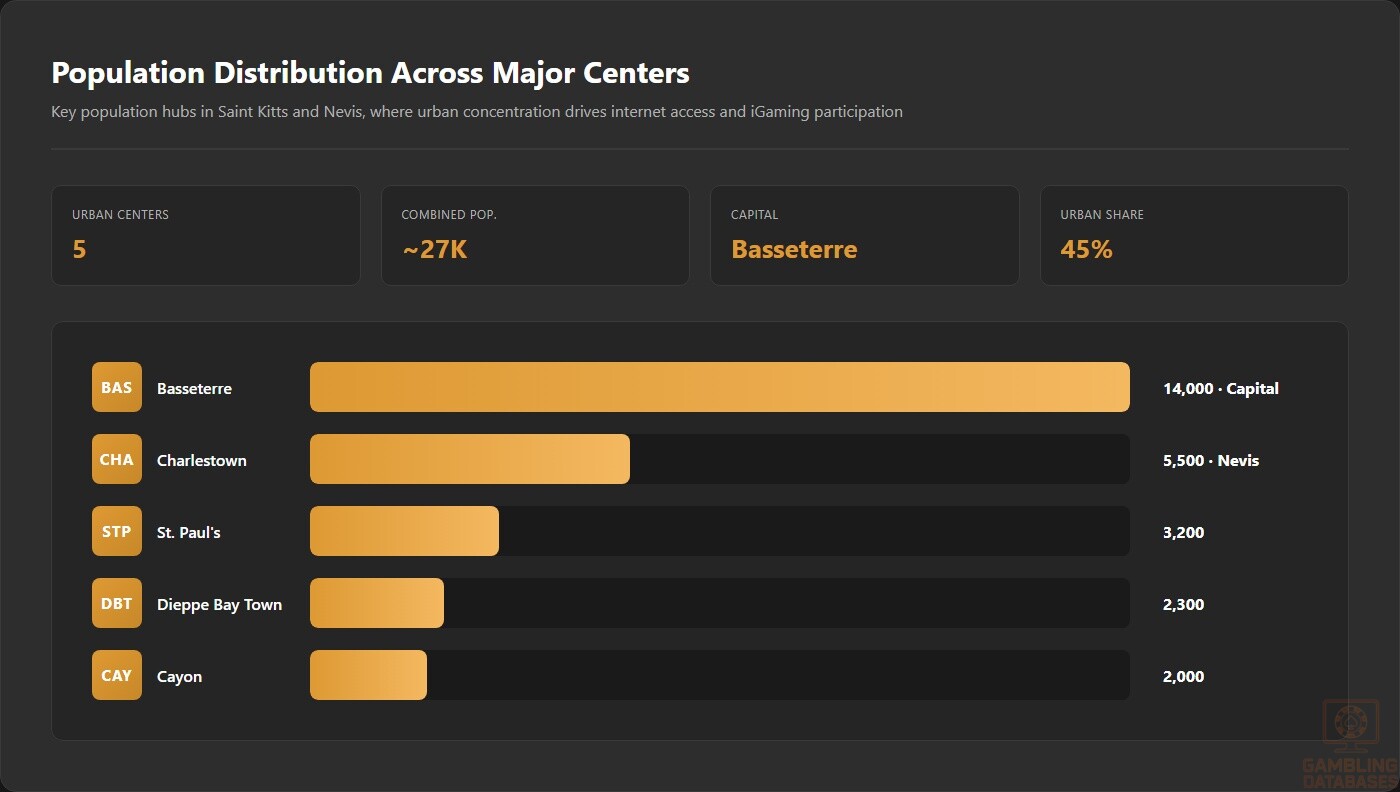
Urban population primarily concentrates in the capital city of Basseterre and surrounding areas, accounting for approximately 45% of total inhabitants. Rural communities dominate many parts of Nevis island, where agricultural activities remain prevalent. Internet access is highest in urban centers, driving digital adoption and online gambling participation. Gambling venues, including land-based casinos, cluster mostly in urban zones, reflecting infrastructure availability and tourist demand.
Major cities and population centers include:
- Basseterre (Population: ~14,000)
- Charlestown (Population: ~5,500)
- St. Paul’s (Population: ~3,200)
- Dieppe Bay Town (Population: ~2,300)
- Cayon (Population: ~2,000)
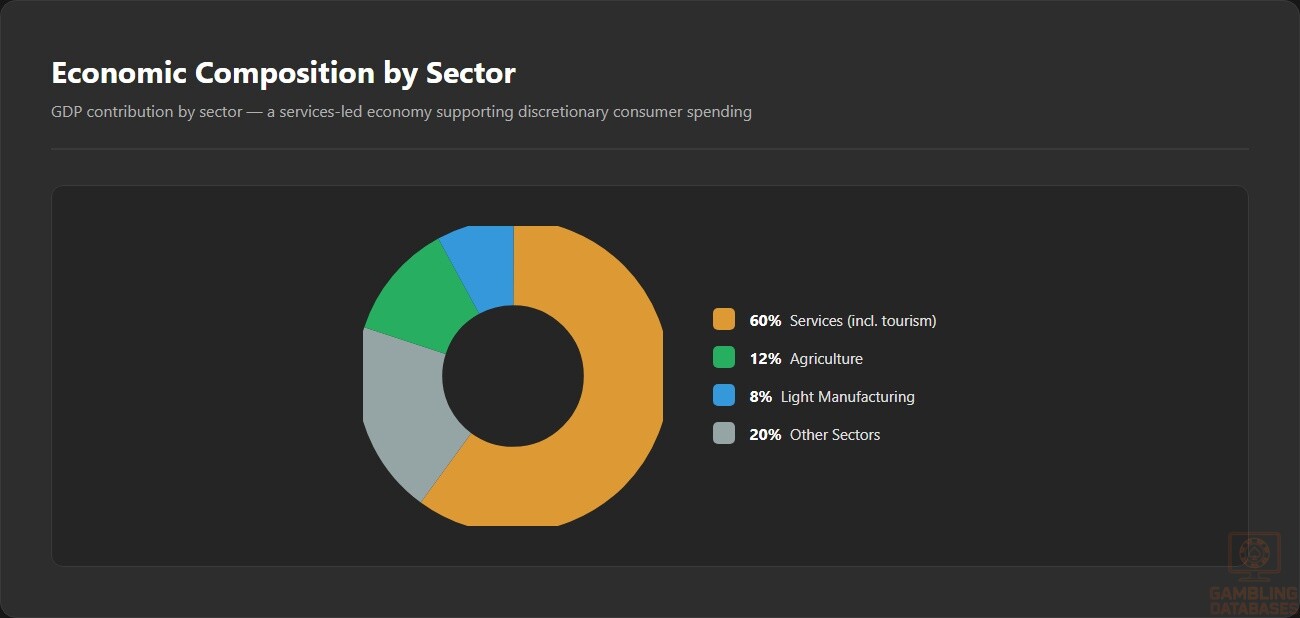
The national GDP of Saint Kitts and Nevis is approximately $1.1 billion USD, experiencing steady growth rates near 3.1% annually. The economy largely depends on services, particularly tourism, which composes nearly 60% of GDP contributions. Agriculture and light manufacturing contribute around 12% and 8% respectively, forming a diversified economic base supportive of consumer spending. Projected GDP growth is expected to sustain due to expanding digital economy sectors including iGaming.
Average household income hovers near $28,000 USD annually, with median incomes closer to $22,500 USD. Income inequality is moderate, with a Gini coefficient estimated at 0.42. Disposable income levels support discretionary spending on entertainment, including gambling and digital leisure. Consumers demonstrate a preference for mobile payment options due to widespread smartphone adoption and growing banking penetration.
| Metric | Value |
|---|---|
| Current Market Size (2025) | $40 million USD estimated revenue |
| Historical CAGR (2020-2025) | 6.8% annual growth |
| Projected CAGR (2025-2030) | 7.2% annual growth |
| Active Online Gamblers | 12% of the population |
| Average Revenue Per User (ARPU) | $800 USD annually |
| Market Penetration | 12% of total population |
Saint Kitts and Nevis boasts a literacy rate exceeding 95%, supported by compulsory primary and secondary education. Higher education attainment rates are growing, with increased enrollment in technical and vocational training aligning with digital economy needs. Digital literacy is widespread in urban populations, fueled by government initiatives promoting ICT skills. The workforce possesses adequate skills for iGaming operations, including IT, customer service, and compliance expertise.
English is the official language of Saint Kitts and Nevis and dominates all formal and informal communication channels. Internet and social media usage are predominantly English-language oriented, facilitating global market interactions. Minority dialects exist but have limited commercial impact.
Gambling is culturally accepted as a mainstream form of entertainment, particularly within tourist zones. Religious influences, primarily Christian denominations, coexist with gambling activities without major social opposition. Foreign iGaming brands enjoy a strong reputation due to transparent regulation and consumer protections. Entertainment preferences favor accessible mobile gaming platforms combined with traditional casino formats.
The prevalence of problem gambling is estimated at approximately 2-3% of the adult population, aligning with global averages. Government and non-profit organizations provide limited support programs focused on education, prevention, and rehabilitation. Social responsibility is embedded in licensing conditions requiring operators to contribute to awareness campaigns and offer self-exclusion tools. The social impact of gambling is considered manageable with ongoing regulatory oversight and public engagement.
Government response measures to problem gambling include:
- Public education and awareness campaigns
- Counseling and support helplines
- Self-exclusion registers managed by operators
- Mandatory operator contributions to social funds
- Responsible gambling training for staff
Saint Kitts and Nevis is a federal parliamentary democracy operating under a constitutional monarchy. Political stability is high with consistent regulatory policies that support business operations. International relations emphasize trade openness and adherence to international standards, especially in financial regulation. Governance structures facilitate transparent oversight of the iGaming sector with minimal political risk.
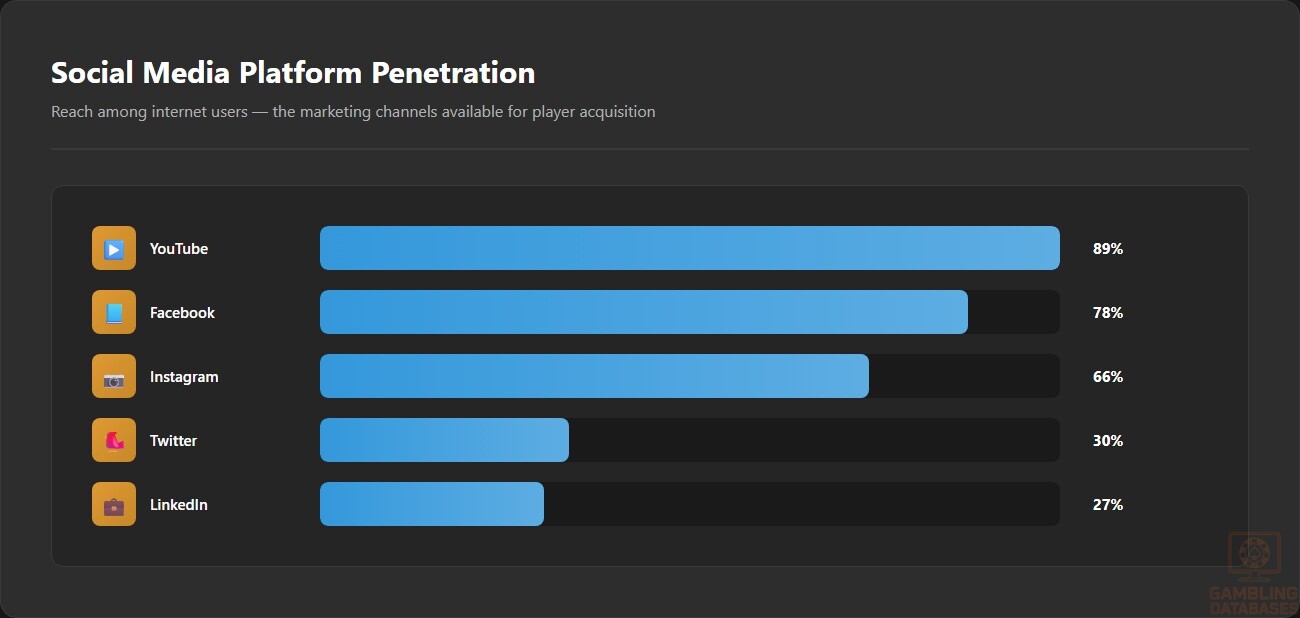
Internet penetration reaches approximately 87%, with daily average usage exceeding 5 hours per user. Mobile device adoption is widespread with over 90% penetration, contributing to rising digital engagement. Social media platforms are pivotal in communication and marketing, driving awareness and player recruitment.
Key social media platforms include:
- Facebook: 78% of internet users, daily engagement averaging 2.2 hours
- Instagram: 66% penetration, favored by younger demographics
- YouTube: 89% reach with high video consumption
- TikTok: Rapidly growing use among under-25 age group
- Twitter: 30% penetration mainly among news and sports audiences
- LinkedIn: Used by 27% of professionals for networking
Online payment preferences favor a mix of methods including credit/debit cards, e-wallets, bank transfers, and growing adoption of cryptocurrencies. Digital wallets such as Skrill and Neteller are popular for their convenience and security features. Cryptocurrency use is emerging but remains limited to niche player segments with interest in anonymity and fast transactions.
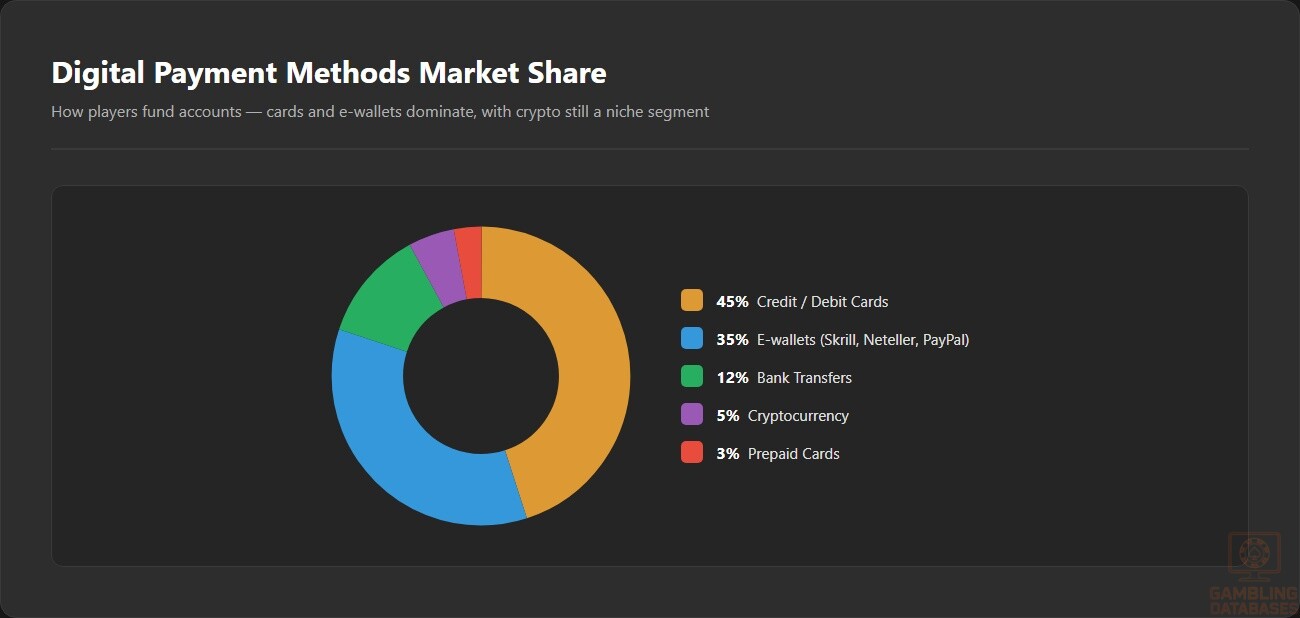
Major digital payment methods with market shares include:
- Credit/Debit Cards: 45% of market share
- E-wallets (Skrill, Neteller, PayPal): 35% market share
- Bank Transfers: 12% market share
- Cryptocurrency: 5% market share
- Prepaid Cards: 3% market share
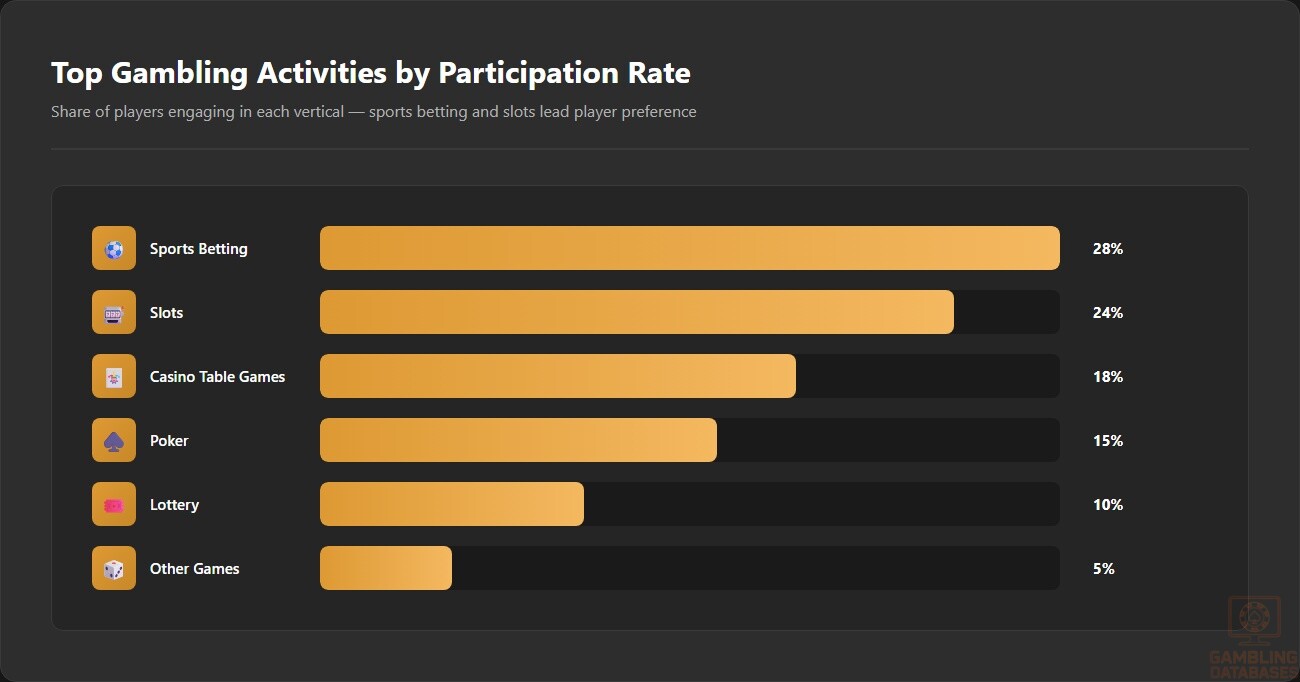
Top gambling activities by participation rate:
- Sports Betting – 28%
- Slots – 24%
- Online Casino Table Games – 18%
- Poker (online and live) – 15%
- Lottery – 10%
- Other Games – 5%
Online gambling sessions typically average 45 minutes, concentrated in evening hours between 6 PM and 11 PM local time. Mobile platforms dominate with over 70% of wagers placed via smartphone apps and mobile-optimized web portals. Players demonstrate strong retention linked to user-friendly interfaces and loyalty reward programs. Spending patterns reflect moderate betting amounts per session but frequent play, emphasizing volume over high-stake wagering.
Section 3: Technology Infrastructure and Business Environment
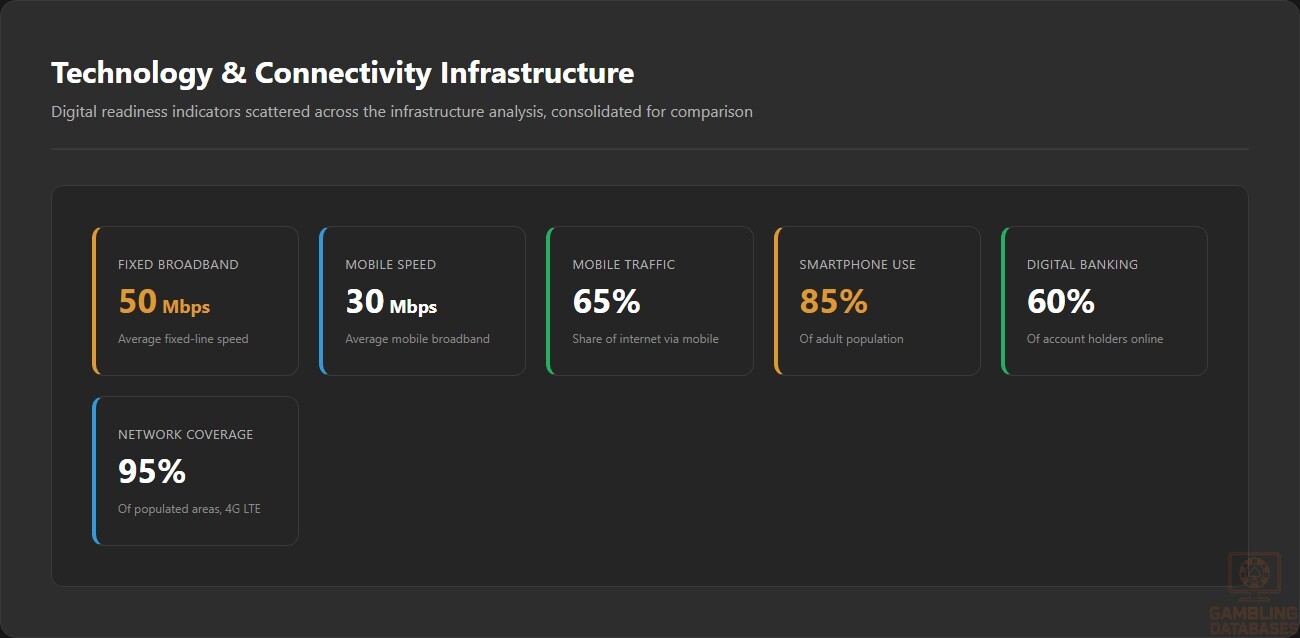
Saint Kitts and Nevis has achieved substantial internet penetration estimated at 87% of the population. Broadband connectivity is primarily delivered through a mix of fixed-line and mobile broadband, with mobile broadband accounting for over 65% of internet traffic due to widespread smartphone usage. Average fixed broadband speeds hover around 50 Mbps, while mobile average speeds range near 30 Mbps, supported by investments in fiber-optic and LTE infrastructure. Network reliability is generally high although occasional service disruptions occur in rural areas.
5G technology rollout is in early stages, with pilot coverage available in Basseterre and other urban centers. Telecommunications providers plan to expand 5G access within the next 2-3 years, aligning with regional digital transformation strategies. Plans include upgrading existing cellular towers to support 5G and expanding fiber-optic backbone networks to improve latency and capacity. The competitive landscape includes several operators investing heavily in next-generation technologies.
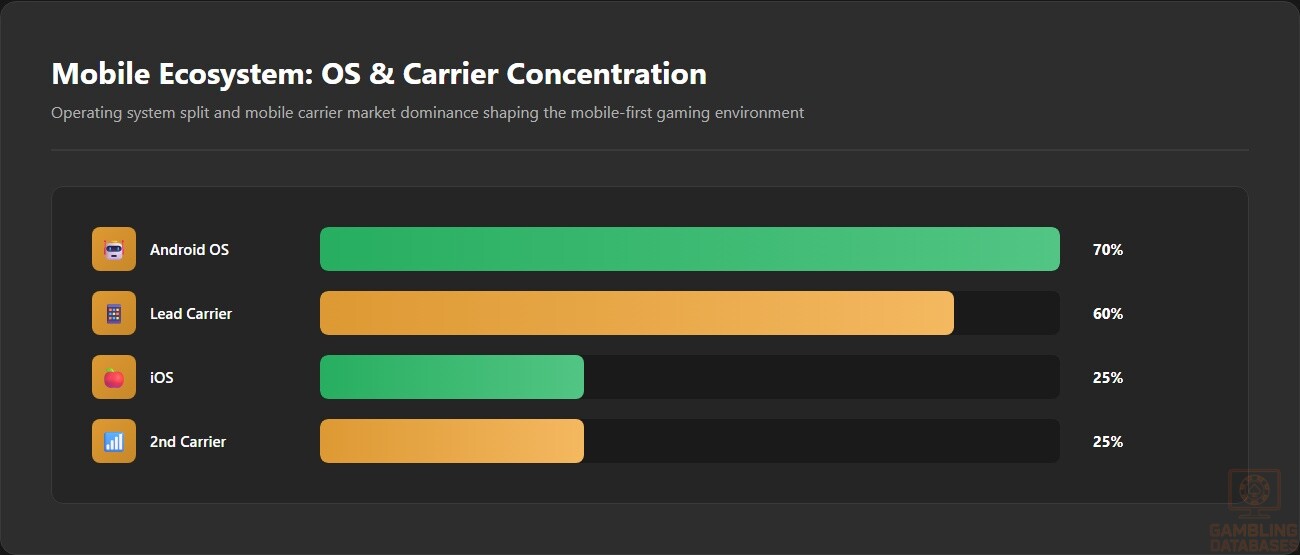
The mobile telecommunications sector comprises a handful of operators competing in coverage and pricing. Market shares are fragmented but show dominance by two main carriers holding approximately 60% and 25% respectively, while smaller carriers serve niche segments. Coverage encompasses over 95% of the populated areas, with 4G LTE widely available. Data costs have decreased steadily, supporting growing mobile data consumption and digital service use.
The main mobile network operators include:
- Digicel – Leading market share and extensive regional coverage
- FLOW – Strong presence with competitive pricing
- Claro – Smaller operator focusing on data services
- CCT Global – Niche carrier with business clients
- SKT Wireless – Emerging player specializing in rural coverage
Smartphone adoption exceeds 85% of the adult population, driven by affordable devices and competitive service plans. Preferred operating systems include Android dominating around 70% market share, followed by iOS at 25%. Tablet penetration is moderate and primarily used for media consumption and gaming applications. Consumers increasingly favor mobile platforms for online activities, including iGaming, leveraging high connectivity and device capability.
The banking sector is characterized by several established institutions providing a range of financial services including digital banking solutions. Digital banking adoption is rapidly growing, with over 60% of account holders utilizing online platforms for transactions. Access to banking services remains high in urban areas but is moderately limited in some rural parts. Financial institutions support international payments critical for iGaming operators and players.
Key banking institutions include:
- Eastern Caribbean Central Bank – Monetary authority overseeing currency stability
- National Bank of Saint Kitts and Nevis – Largest domestic bank
- FirstCaribbean International Bank – Major international bank
- Scotiabank – Significant regional presence
- CIBC FirstCaribbean – Offering extensive retail and business services
Payment infrastructure supports multiple channels facilitating both local and international transactions. Credit and debit cards are widely accepted, supplemented by e-wallets such as Skrill, Neteller, and PayPal. Bank transfers provide additional alternatives, while cryptocurrency use is in niche but growing segments. Payment processors adhere to strict security protocols to ensure transaction integrity and fraud prevention.
Available payment methods comprise:
- Credit and Debit Cards – Visa, MasterCard
- E-wallets – Skrill, Neteller, PayPal
- Bank Transfers – Domestic and international
- Cryptocurrencies – Bitcoin, Ethereum
- Prepaid Cards and Vouchers
E-commerce in Saint Kitts and Nevis constitutes an emerging sector supported by increased internet penetration and consumer trust. Online retail and digital services adoption are growing steadily, with consumers showing increasing preference for cashless transactions. Government initiatives encourage digital transformation as part of economic diversification, enhancing logistics and payment systems. The digital economy presents synergy opportunities with iGaming operators seeking integrated service offerings.
Saint Kitts and Nevis ranks favorably for ease of doing business with streamlined registration processes and investor-friendly policies. Foreign direct investment is encouraged with minimal restrictions, subject to compliance with regulatory and licensing requirements. Operational costs are competitive within the Caribbean region, balancing skilled labor availability with infrastructural capacities. Transparent governance and reliable legal protections strengthen the business climate for iGaming entrants.
The business registration process involves multiple stages:
- Prepare and notarize corporate documents
- Submit application to Companies Registry
- Obtain tax identification and register for VAT
- Open corporate bank account
- Register with relevant regulatory bodies including gaming commission
Common corporate structures include Limited Liability Companies (LLCs), corporations, and branch offices of foreign entities. LLCs offer flexibility with simpler compliance, while corporations suit larger operations requiring formal share structures. Branch offices provide foreign companies a direct presence but require local representation and adherence to host regulations. Entities must comply with registration deadlines, annual reporting, and tax filings to maintain good standing.
Registration requires submission of multiple documents:
- Articles of incorporation and bylaws
- Proof of registered office address
- Director and shareholder identification documents
- Business plan and financial projections
- Tax registration certificates
- Compliance certifications for regulated sectors
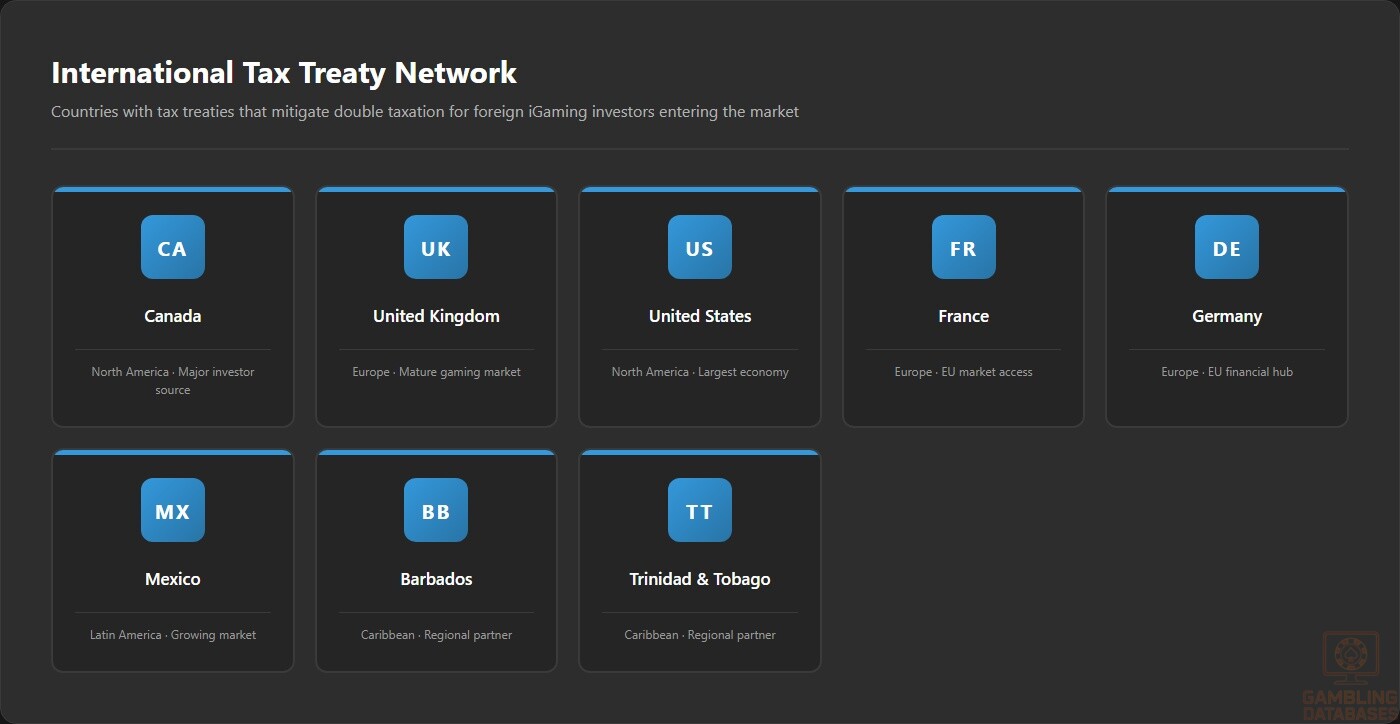
Corporate income tax applies at a standard rate of 25%, with incentives available for businesses operating within designated economic zones offering reduced rates or tax holidays. International tax treaties help mitigate double taxation for foreign investors. Compliance with local tax laws includes regular filings, withholding tax obligations, and transparent financial reporting.
Key international tax treaty countries include:
- Canada
- United Kingdom
- United States
- France
- Germany
- Mexico
- Barbados
- Trinidad and Tobago
Individual income tax is progressive, ranging from 0% to 35% depending on income brackets. Withholding taxes apply on certain income types, complemented by mandatory social security contributions. Tax residency rules define obligations for foreign nationals participating in local business operations.
Optimal market entry strategies emphasize joint ventures with local partners to navigate regulatory and cultural nuances while leveraging operational expertise. Technology partnerships enhance platform localization and payment integration. Compliance with evolving regulatory requirements is critical to avoid penalties and maintain operational licenses. Brand differentiation and tailored marketing campaigns drive player acquisition in this competitive environment.
Recommended market entry strategies include:
- Forming joint ventures with established local operators
- Securing technology partnerships for platform development
- Investing in compliance and regulatory consultancy
- Implementing localized marketing and player engagement
- Offering multi-channel payment methods and customer support
Initial setup costs for an iGaming operation typically include license fees, platform development, marketing, and staff recruitment. Operating expenses encompass compliance, transaction processing, and customer support. Timelines for full market entry range from 6 to 12 months, factoring regulatory approvals and technology deployment.
Major cost categories are:
- License application and renewal fees
- Platform integration and software licensing
- Regulatory compliance and legal consulting
- Marketing and player acquisition campaigns
- Operational staffing and infrastructure
Typical market entry timeline phases include:
- Preliminary market research and partner identification
- License application and regulatory approval process
- Platform customization and localization
- Soft launch and marketing ramp-up
- Full commercial launch and customer acquisition
Key success factors include robust compliance management, strong local partnerships, technology reliability, and effective marketing strategies. Challenges encompass regulatory changes, payment processing hurdles, competitive market pressures, and responsible gambling adherence. Cultural familiarity and player trust also significantly impact market traction. Navigating licensing complexities requires experienced legal guidance.
Key success factors to ensure market competitiveness include:
- Compliance with regulatory frameworks
- Strategic local partnerships
- Technological infrastructure quality
- Effective digital marketing campaigns
- Responsible gambling program implementation
Primary operational challenges faced by entrants include:
- Evolving regulatory landscape
- Payment processing integration
- Market competition and player retention
- High compliance costs
- Infrastructure reliability in remote areas
Exiting the market requires careful valuation of operational assets and compliance with regulatory transfer procedures. License transferability is subject to approval by the gaming authorities, often requiring review of new ownership structures. Market liquidity remains moderate with potential buyers including regional operators and international gaming firms. Clear exit planning enhances investment security and strategic flexibility.
FAQ: Frequently Asked Questions
1. Is online gambling legal in Saint Kitts and Nevis?
Online gambling is legal and regulated in Saint Kitts and Nevis under a comprehensive legislative framework. Operators must obtain appropriate licenses from the St. Kitts Gaming Commission or Nevis Gaming Authority. The legislation covers a broad range of gaming activities including casino games, sports betting, lotteries, and virtual currency games. Unlicensed operations are strictly prohibited and subject to enforcement penalties.
2. What types of gambling licenses are available and what do they cover?
Licenses include Master Licenses for overarching operational control, Sub-Licenses for specific product verticals, and Remote Gaming Licenses for online offerings. These licenses cover casino games, sports betting, lotteries, and emerging virtual currency platforms. Each license specifies operational scope, reporting obligations, and compliance requirements necessary for market participation.
3. How much does an iGaming license cost and how long does it take to obtain?
License fees range from $30,000 to $50,000 depending on license type and activity scope. The typical application process takes between 3 to 6 months, accounting for background checks, document review, and compliance audits. Renewal fees are generally $15,000 annually, with continuous compliance monitoring throughout the license term.
4. Can foreign companies obtain a gambling license?
Foreign companies are eligible for gambling licenses provided they meet all regulatory criteria including financial stability, technical qualifications, and local operational presence. Transparent disclosures of ownership structures and partnerships with local entities are required to satisfy jurisdictional compliance demands. There are no significant restrictions on foreign ownership, encouraging international investment.
5. What are the tax obligations for iGaming operators?
iGaming operators face a gross gaming revenue tax generally set at 5%, with higher rates applied to specific segments such as virtual currency games. Additional financial obligations include license renewal fees and standard corporate tax where applicable, although gaming revenues are currently exempt from corporate income tax. Operators must submit monthly revenue reports and comply with audit requirements.
6. Are gambling winnings taxed for players?
Players in Saint Kitts and Nevis do not pay taxes on gambling winnings, with no withholding taxes applied on payouts. This policy enhances player attraction and retention by maximizing payout amounts and simplifying tax obligations for gamblers.
7. What are the typical operational costs for running an online casino/sportsbook?
Operational costs include licensing and regulatory fees, platform and software costs, marketing and customer acquisition, payment processing fees, and staffing expenses. Costs vary depending on market strategy scale and technology infrastructure choices. Efficient cost management and strong ROI focus are essential for sustainable operations.
8. What is the expected ROI timeline for entering this market?
Return on investment typically occurs within 18 to 36 months depending on market penetration success, marketing effectiveness, and operational efficiency. Early-stage investments focus on license compliance and player acquisition, with profitability emerging as the customer base stabilizes. Long-term growth depends on regulatory stability and technological innovation.
9. What are the local presence requirements for operators?
Operators are required to maintain a local presence either through a registered office or a designated local agent. This ensures regulatory communication efficiency and facilitates compliance monitoring. Personnel knowledgeable in local laws and regulations are essential for operational transparency.
10. What payment methods are available and recommended?
Credit and debit cards dominate payment volumes, complemented by popular e-wallets like Skrill and Neteller. Bank transfers continue to serve as trusted mechanisms for larger transactions, while cryptocurrencies are gaining traction for privacy-conscious users. Offering multiple payment options improves player satisfaction and reduces friction in deposits and withdrawals.
11. What are the advertising and marketing restrictions?
Advertising is limited to responsible messaging avoiding targeting minors and vulnerable groups. Promotions must display clear terms and comply with caps on bonus offerings. Sponsorship in youth-oriented events is prohibited, and misleading claims are strictly regulated.
12. What responsible gambling measures are mandatory?
Mandatory responsible gambling measures include age verification, self-exclusion options, deposit limits, and transparent user information disclosures. Operators must provide player support tools and staff training on responsible gambling protocols. Regular monitoring and compliance reporting are enforced.
13. How large is the iGaming market and what is the growth potential?
The iGaming market in Saint Kitts and Nevis is valued at approximately $40 million USD in 2025, with a strong growth trajectory of over 7% CAGR projected through 2030. Increasing internet penetration, rising digital literacy, and favorable regulatory conditions support this expansion. Player engagement is growing, driven by mobile gaming adoption and diverse game offerings.
14. Who are the main competitors and what is their market share?
The market landscape includes regional operators and international entrants leveraging Saint Kitts and Nevis as a base for Caribbean operations. Competition is moderate with key players maintaining about 70% combined market share through strategic partnerships and diversified product portfolios.
15. What are the player preferences and typical spending patterns?
Players favor sports betting and slot games, followed by table games and poker, reflecting regional entertainment trends. Mobile platforms dominate player engagement with moderate average bets and frequent session play. Loyalty programs and user experience are critical to retention and lifetime value.
16. What are the key success factors and main challenges for new entrants?
Success is driven by regulatory compliance, local market adaptation, technological excellence, and effective marketing. Challenges include navigating regulatory updates, operational cost management, and competition for player attention. Cultural understanding and robust responsible gambling initiatives enhance brand credibility.
Sources and References
- Saint Kitts and Nevis Gambling Regulatory Authority – Official Website
- National Statistical Office – Population and Economic Data 2024
- Central Bank of Saint Kitts and Nevis – Financial Statistics and Reports
- Ministry of Finance – Tax Regulations and Guidelines
- World Bank – Doing Business Report 2024
- International Telecommunication Union – ICT Statistics
- Gaming Industry Report – Caribbean iGaming Market 2024
- Caribbean Telecommunications Union – Network Infrastructure Report
- Saint Kitts and Nevis Ministry of Commerce – Digital Economy Overview
- Eastern Caribbean Central Bank – Banking Sector Report
- Regional Social Services Agency – Gambling Support Programs
- Local News Outlets – iGaming Market Developments 2024
- Tax Authority Publications – Corporate and Personal Taxation
- Industry Consulting Firms – Market Entry Strategy Analysis
- Academic Studies on Caribbean Gambling Behaviors
- International Monetary Fund – Economic Outlook Reports
- Trade and Investment Promotion Agency Reports
- Technology Vendors Whitepapers – 5G Implementation Plans
- Regulatory Amendments – Saint Kitts and Nevis Legislative Gazette
- Consumer Behavior Surveys – Digital Payment Preferences
- Social Media Usage Reports – Caribbean Region
- Gaming Compliance and Audit Firm Publications
- Financial Intelligence Unit (FIU) Reports
- Tourism and Economic Development Agency
- Local Legal Firms – Corporate Registration Procedures
- Information Security and Cybersecurity Guidelines
- Online Gambling Association Reports
- Digital Marketing Agencies – Consumer Acquisition Trends
- Public Health Research on Gambling Addiction
- International Trade Organization Reports
- Data from Mobile Network Operators
- Payment Gateway Providers – Transaction Data
- Economic Development Authority – Business Incentives
- Investor Relations Publications
- Regional Gaming Conferences – Proceedings and Reports