
The Netherlands presents a mature yet highly regulated iGaming market, officially launched in October 2021 under the Remote Gambling Act (KOA). The market is overseen by the Kansspelautoriteit (KSA), which enforces strict compliance standards to ensure player protection, responsible gambling, and market integrity.
Despite high entry costs and a rising tax burden, the Netherlands remains an attractive destination for international operators due to its tech-savvy population, high channelisation rate, and established digital infrastructure. The regulatory environment is continuously evolving, with significant changes expected in 2026 as the first wave of five-year licenses approaches renewal.
Executive Summary: Key Market Indicators
| Metric | Value |
|---|---|
| Legal Status of Online Gambling | Fully legal and regulated since October 1, 2021 |
| Regulatory Authority | Kansspelautoriteit (KSA) |
| Population | 17.8 million (2025 estimate) |
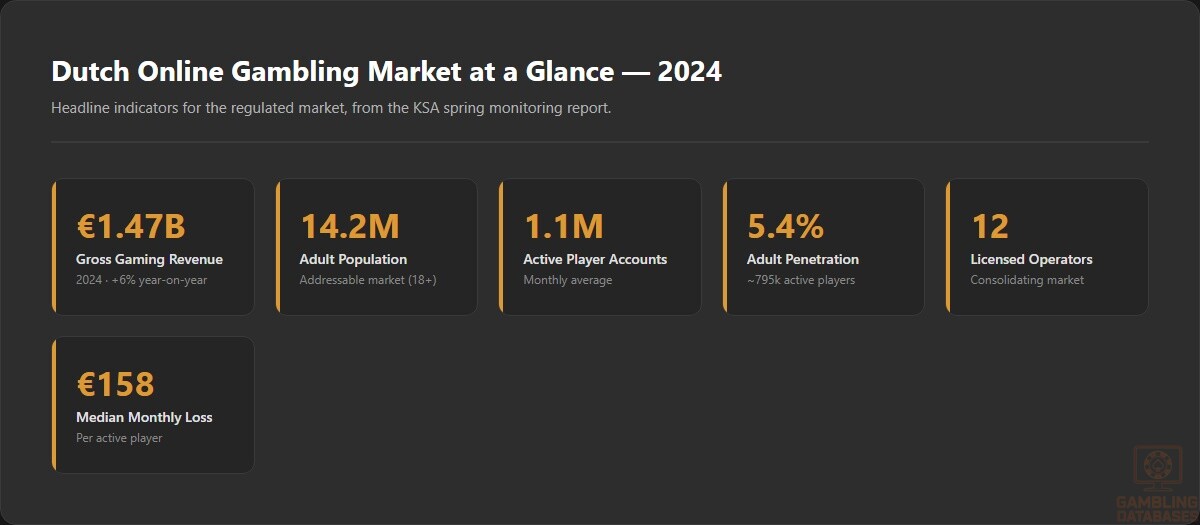
| Adult Population (18+) | 14.2 million |
| Internet Penetration | 98% |
| Mobile Penetration | 89% |
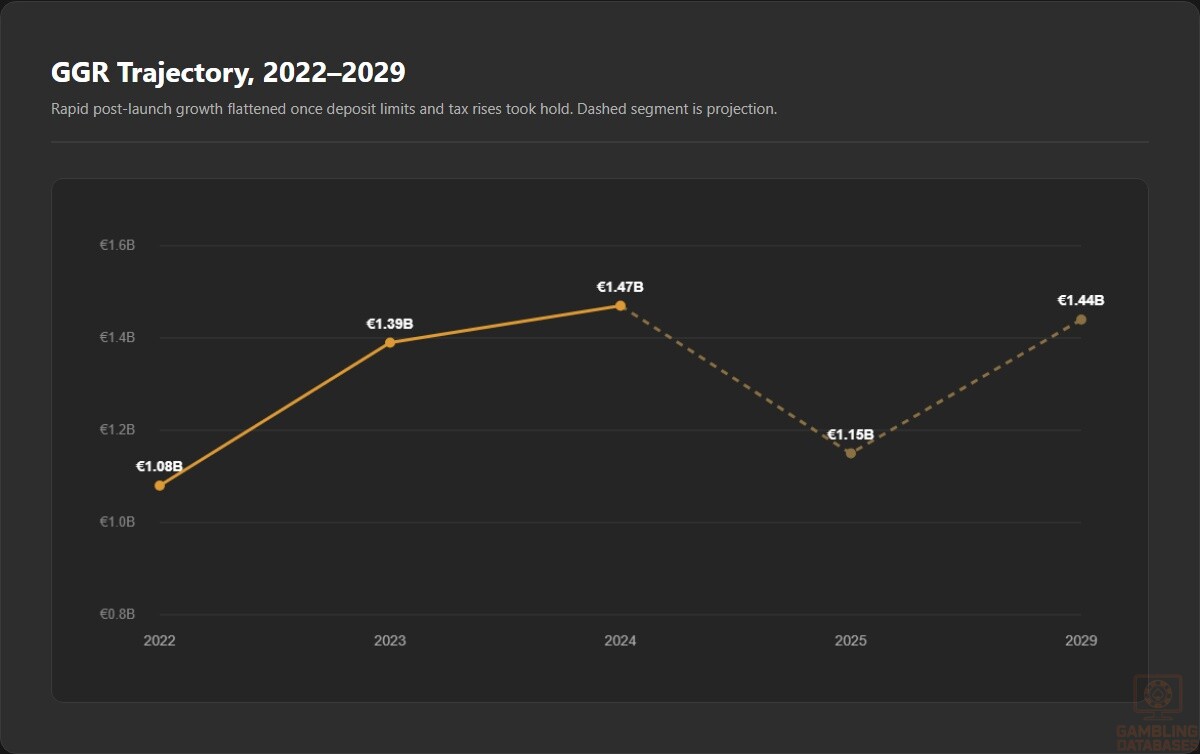
| Gross Gaming Revenue (GGR) 2023 | €1.39 billion |
| GGR 2024 | €1.47 billion |
| GGR H1 2025 | ~€550 million (estimated) |
| Annual Growth Rate (CAGR 2022–2024) | 6.8% |
| Projected GGR 2029 | €1.44 billion |
| Online Gambling Penetration (2023) | 5.3% of adult population |
| Active Player Accounts (2023) | 1.1 million |
| Average Monthly Loss per Player | €150 |
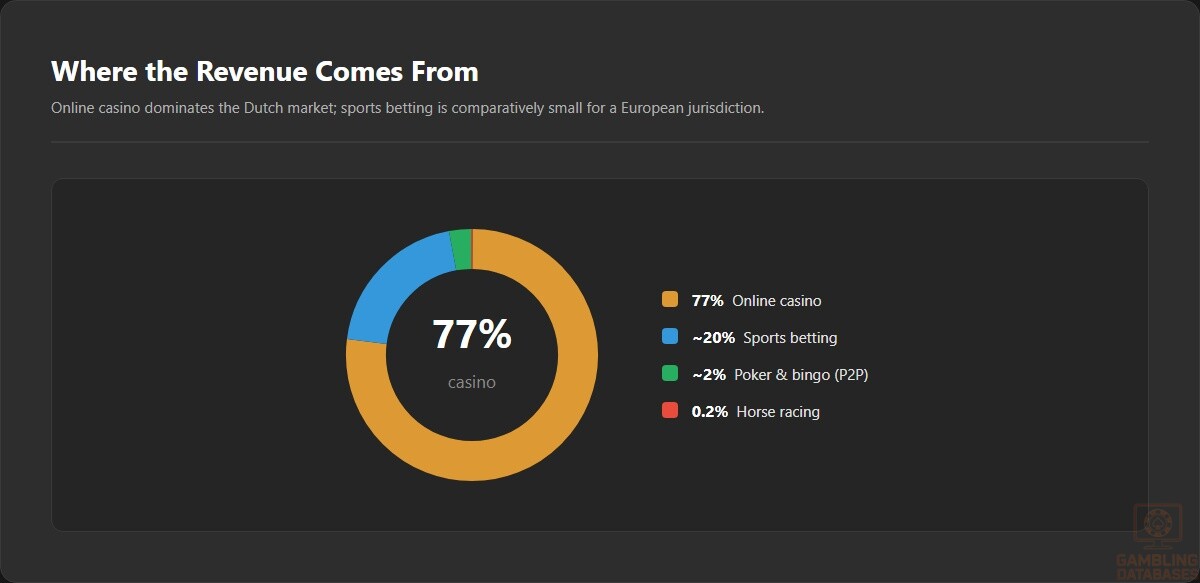
| Top Revenue Segment | Online casino (77% of GGR) |
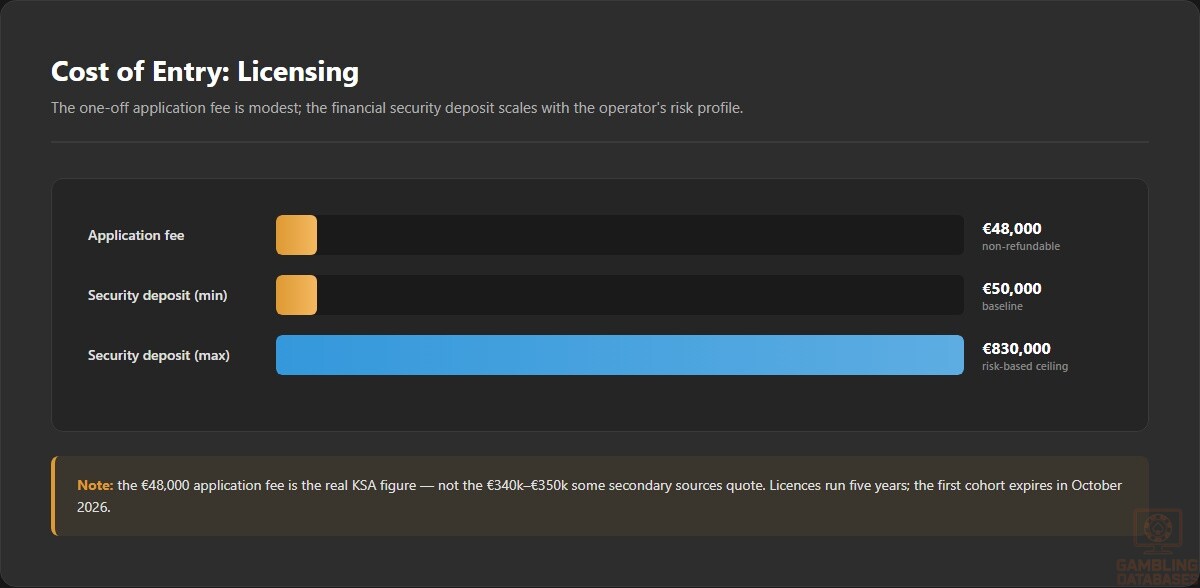
| License Application Fee | €48,000 (non-refundable) |
| Financial Security Deposit | €50,000 |
| License Duration | 5 years |
| License Processing Time | 6–12 months |
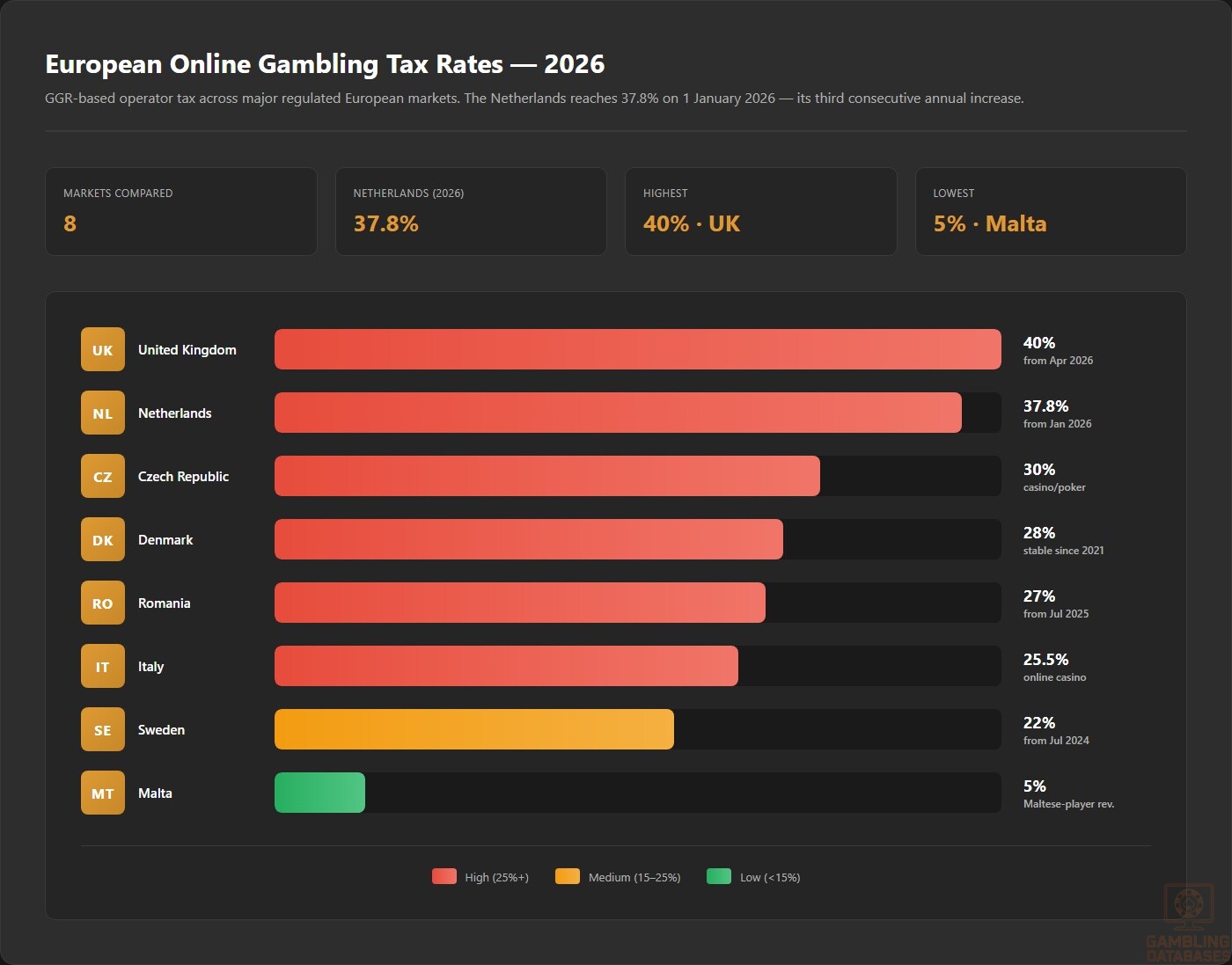
| Operator Tax Rate (2025) | 34.2% of GGR |
| Planned Tax Rate (2026) | 37.8% of GGR |
| Corporate Income Tax | 19% (on first €200,000), 25.8% (above) |
| Player Taxation | No tax on winnings |
| Number of Licensed Operators (2025) | 12 |
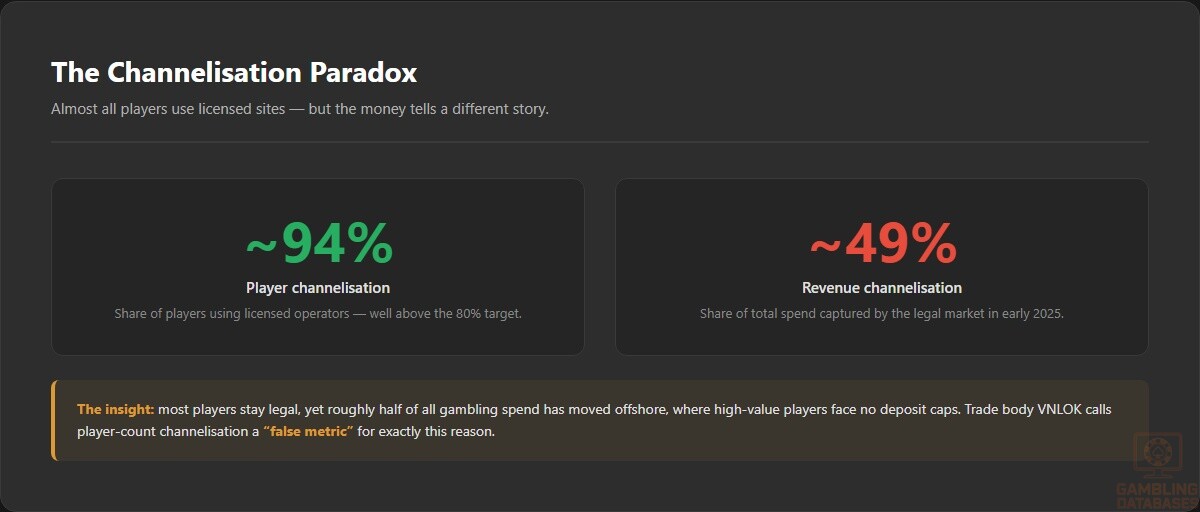
| Channelisation Rate (Licensed Market) | 90–95% |
| Advertising Restrictions | Ban on untargeted ads, sponsorships, influencer marketing |
| Maximum Fine for Violations | €2 million or 10% of annual turnover |
Section 1: Regulatory Framework and Legal Environment
Current Gambling Regulation Status
The Netherlands operates a dual gambling system, with both state-controlled and privately licensed operators permitted under a unified regulatory framework. The Remote Gambling Act (Kansspelwet) came into force on April 1, 2021, legalizing online casino and sports betting for licensed operators. The law was implemented to bring the previously grey-market-dominated sector under official oversight, enhance consumer protection, and generate tax revenue. The Kansspelautoriteit (KSA) is the sole regulatory body responsible for licensing, monitoring, and enforcement across all gambling verticals.
Land-based gambling in the Netherlands is primarily managed by Holland Casino, the state-owned operator that runs 14 physical casinos across the country. These venues offer table games, slot machines, and live entertainment. In addition to Holland Casino, there are numerous independent slot machine halls and betting shops operated by private companies. The land-based sector is subject to the same anti-money laundering (AML) and responsible gambling regulations as online operators, ensuring a consistent approach to player protection.
The online gambling framework is built on four core pillars: licensing, player protection, advertising control, and financial regulation. Only operators holding a valid KSA license may offer services to Dutch residents. The KSA maintains a public register of all licensed operators, which includes company names, websites, apps, and license numbers. This transparency allows consumers to verify the legitimacy of gambling platforms before registration. The regulator also blocks access to unlicensed websites through internet service provider (ISP) filtering and payment restrictions.
The licensed online market includes casino games where players compete against the house, peer-to-peer games such as poker and bingo, sports betting on event outcomes, and horse racing wagering. Lottery operations are regulated separately under the State Lottery Act, with Nederlandse Loterij holding the exclusive license. The KSA has taken a firm stance against unlicensed operators, adding dozens of offshore platforms to its blacklist and imposing financial penalties on affiliates that promote illegal services.
The competitive landscape is dominated by a mix of international brands and local operators. As of 2025, there are 12 licensed operators in the market, including global players like Bet365 and Tombola, as well as Dutch entities such as Holland Casino and Novamedia Gaming. The market has seen consolidation due to high compliance costs and tax pressures, with several smaller operators exiting or scaling back operations. Despite this, the KSA continues to receive new applications, indicating sustained interest in the Dutch market.
Licensing Framework and Requirements
The application process for a Dutch iGaming license is rigorous and conducted entirely in Dutch. Prospective operators must submit a comprehensive dossier to the KSA, demonstrating financial stability, technical compliance, and adherence to responsible gambling standards. The process begins with a pre-application phase, during which the KSA assesses the applicant’s suitability based on corporate structure, ownership transparency, and business model. This is followed by a formal application that includes detailed documentation on AML procedures, KYC protocols, game fairness, and IT security.
The financial requirements for licensing are substantial. Applicants must pay a non-refundable fee of €48,000 to initiate the process. In addition, they are required to deposit a financial security guarantee of €50,000, which can be increased to €830,000 based on the operator’s risk profile. This deposit serves as a safeguard against potential regulatory violations and ensures that operators have sufficient capital to cover player liabilities. The KSA also mandates that all player funds be held in segregated accounts with licensed financial institutions.
Technical standards are a critical component of the licensing framework. Operators must use certified Random Number Generators (RNGs) and undergo regular audits by KSA-approved testing laboratories to verify game fairness. All platforms must integrate with the Control Data Bank (CDB), a centralized database that allows the KSA to monitor player activity, transaction patterns, and compliance in real time. The CDB requirement ensures transparency and enables the regulator to detect suspicious behavior or breaches of responsible gambling rules.
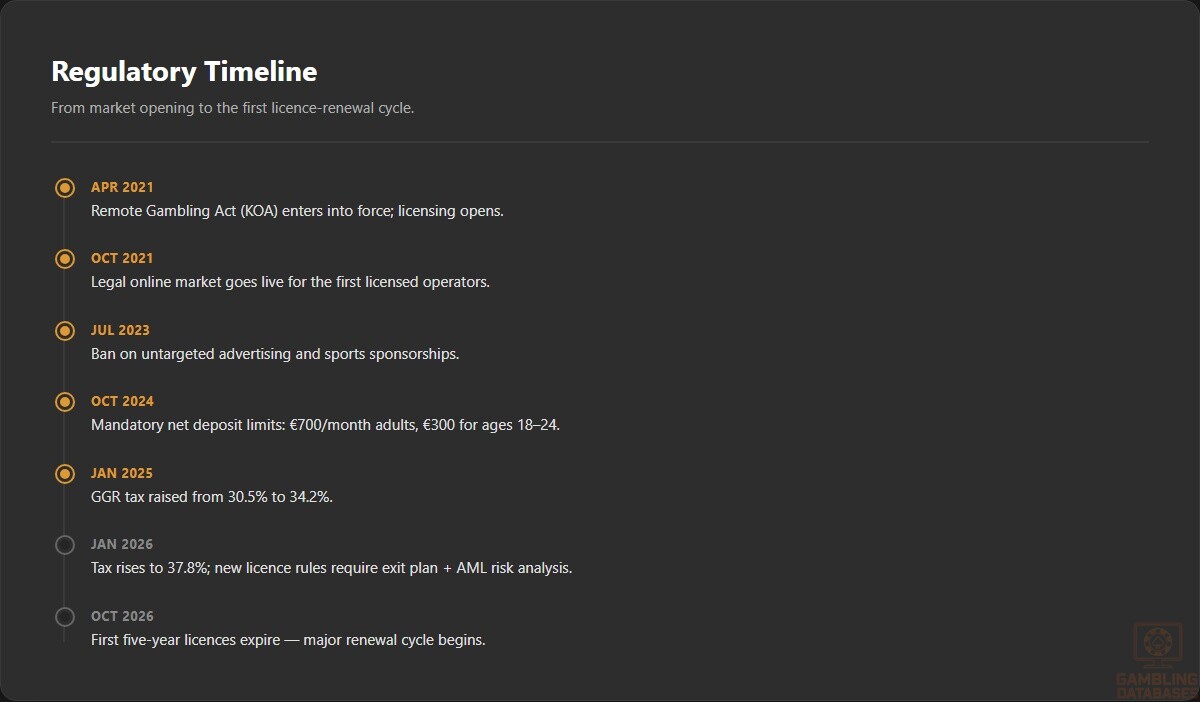
The KSA aims to complete the licensing process within six months, although complex cases may take up to 12 months. The approval rate is relatively low, with only about one in three applications successful. This reflects the regulator’s strict standards and its focus on maintaining market integrity. Once granted, licenses are valid for five years, after which operators must apply for renewal. The first wave of licenses will expire in October 2026, triggering a major renewal cycle under updated regulatory requirements.
Starting January 1, 2026, all new and renewing license applicants must submit additional documentation, including an exit plan outlining how they will cease operations if their application is rejected. They must also provide an Anti-Money Laundering (AML) risk analysis report and demonstrate compliance with the latest data protection and cybersecurity standards. The KSA has emphasized that operators with a history of violations must explain how they have addressed past issues and prevent recurrence. Failure to provide satisfactory explanations may result in license denial or the imposition of additional conditions.
Compliance Obligations and Monitoring
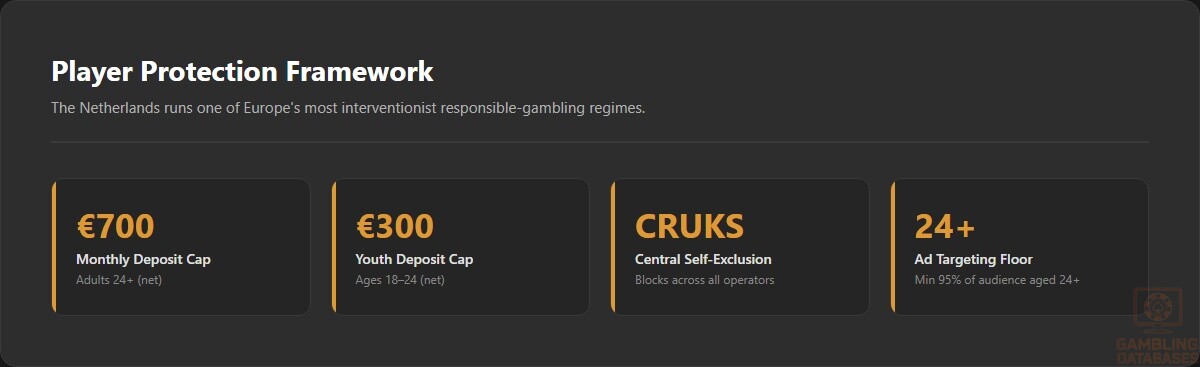
Player protection is a cornerstone of the Dutch regulatory framework. Operators are required to implement a range of responsible gambling tools, including deposit limits, session time controls, reality checks, and self-exclusion options. These measures are designed to help players manage their gambling behavior and prevent problem gambling. All licensed platforms must be fully integrated with CRUKS (Centraal Register Uitsluiting Kansspelen), the national self-exclusion register. When a player opts out through CRUKS, their access is automatically blocked across all licensed operators, ensuring a consistent and effective exclusion mechanism.
Age verification and KYC procedures are strictly enforced. Operators must verify the identity of all customers before allowing them to deposit or play. This includes collecting government-issued identification, proof of address, and, in some cases, financial documentation for high-risk players. Enhanced due diligence (EDD) is required for customers exhibiting signs of problematic gambling or large financial transactions. Suspicious activity must be reported to the Financial Intelligence Unit (FIU-Nederland) to prevent money laundering and terrorist financing.
The KSA conducts regular audits and monitoring to ensure compliance. Operators are required to submit monthly reports on player activity, financial transactions, and responsible gambling interventions. The regulator uses advanced data analytics to detect patterns of non-compliance, such as failure to enforce deposit limits or inadequate AML checks. In 2025, the KSA intensified its oversight of operator databases, warning license holders to fix data shortcomings or face increased scrutiny. This includes ensuring accurate and timely reporting to the CDB and maintaining robust cybersecurity protocols to protect player data.
Enforcement actions are taken swiftly against violators. Penalties range from financial fines to license suspension or revocation. The maximum fine is €2 million or 10% of an operator’s annual turnover, whichever is higher. In 2025, Unibet was fined up to €450,000 for breaching bonus advertising rules, highlighting the regulator’s strict stance on marketing compliance. The KSA has also taken action against affiliate websites that promote unlicensed operators, issuing penalty orders and requesting domain seizures. These measures demonstrate the regulator’s commitment to protecting consumers and maintaining a level playing field.
Taxation Structure and Financial Obligations
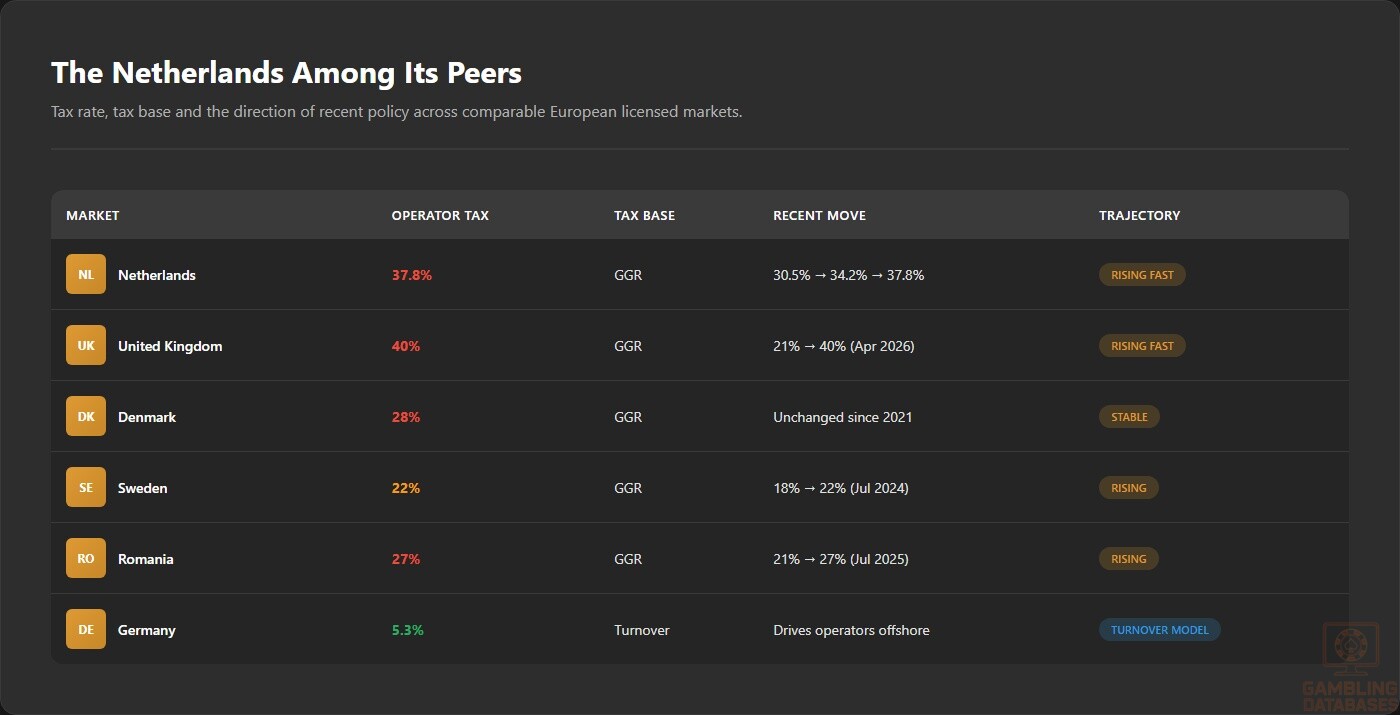
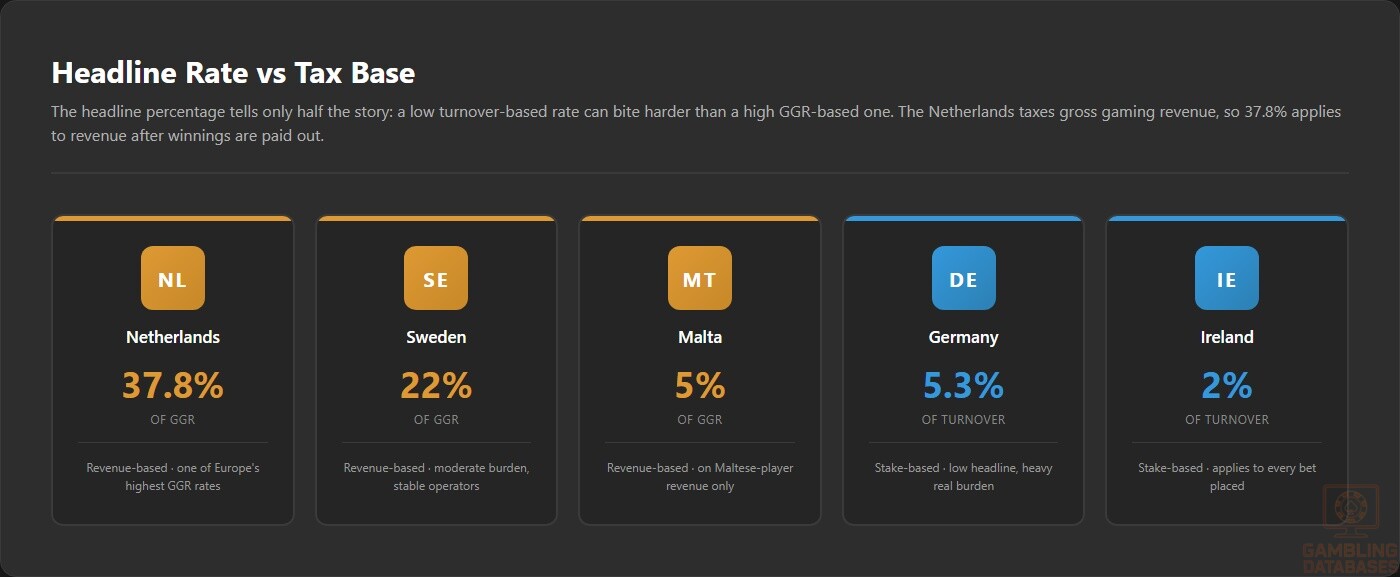
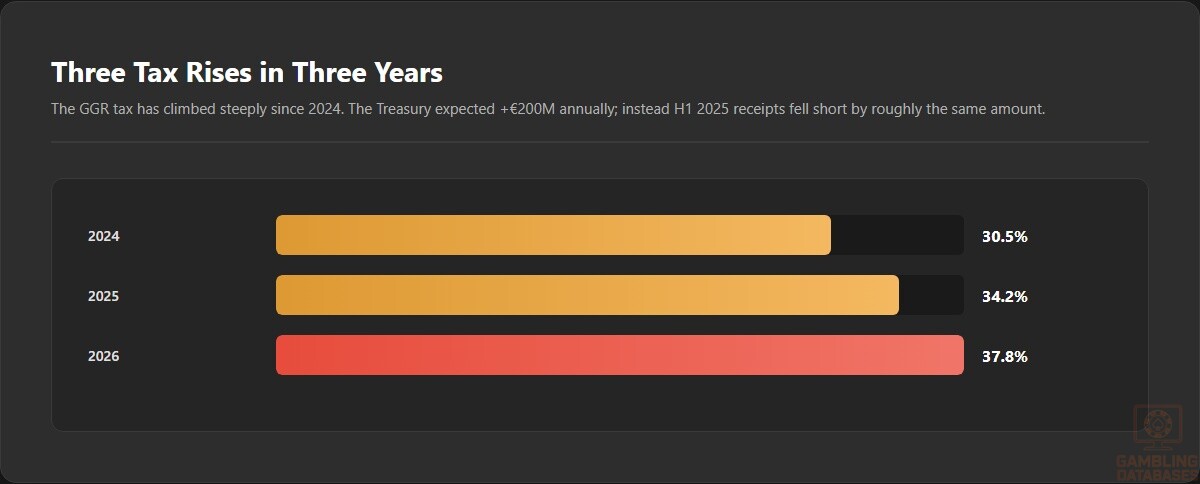
The taxation structure for iGaming operators in the Netherlands is among the highest in Europe. Since January 1, 2025, the gross gaming revenue (GGR) tax rate has been set at 34.2%. This rate is scheduled to increase to 37.8% in 2026, as part of the government’s broader fiscal strategy. The tax is levied on the operator’s net revenue, calculated as total bets minus winnings paid out to players. This model places a significant financial burden on operators, particularly smaller ones with lower profit margins.
In addition to the GGR tax, operators are subject to corporate income tax, which is 19% on the first €200,000 of taxable profit and 25.8% on amounts above that threshold. This dual taxation system further reduces net profitability, making cost management a critical factor for success in the Dutch market. Operators must also pay a fixed annual fee of €50,000 as part of their financial security deposit, which is separate from the tax obligation.
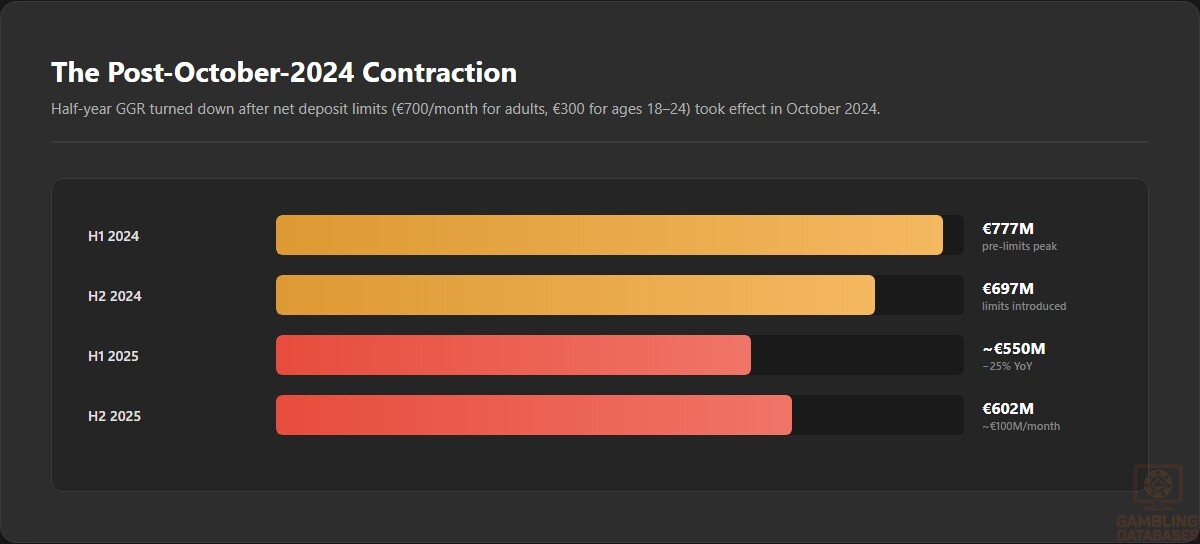
The impact of the tax increases has been significant. In the first half of 2025, GGR from licensed operators fell by approximately 25% compared to the same period in 2024. This decline has led to a projected €200 million shortfall in tax revenue, contrary to the government’s initial expectations of increased income. Industry analysts attribute the drop to reduced player engagement, fewer new registrations, and a migration of high-value players to offshore platforms that are not subject to the same tax and regulatory burdens.
Despite these challenges, the Dutch government remains committed to its regulatory model, prioritizing consumer protection over short-term revenue gains. The KSA has acknowledged that the tax hike may have been counterproductive, with evidence suggesting that stricter rules and higher costs are driving activity underground. However, no immediate policy reversal is expected, and operators must continue to navigate the high-tax environment while maintaining compliance with all other regulatory requirements.
Advertising and Marketing Restrictions
Advertising regulations in the Netherlands are among the strictest in Europe. Since July 1, 2023, untargeted gambling advertisements have been banned on all media, including television, radio, print, and online platforms. This means that operators cannot use broad-reach marketing channels to promote their services. Sponsorships of sports teams, events, and influencers are also prohibited, eliminating a major avenue for brand visibility.
Targeted advertising is permitted, but only under strict conditions. Operators must ensure that their ads are directed exclusively at audiences over the age of 24, as younger demographics are considered more vulnerable to gambling harm. This requires sophisticated audience segmentation and verification technologies. Affiliates and marketing partners are held to the same standards as operators, and violations can result in severe penalties. In 2025, the KSA began monitoring the full marketing chain, including agencies that produce promotional content for illegal operators, and may report them to the Netherlands Authority for Consumers and Markets (ACM).
The ban on untargeted advertising has significantly altered the competitive landscape. Operators can no longer rely on mass-market campaigns to acquire customers, forcing them to invest in alternative strategies such as search engine optimization, content marketing, and direct customer engagement. This has increased customer acquisition costs and favored established brands with strong organic reach. The restrictions have also limited the ability of new entrants to build brand awareness, creating a barrier to market entry.
Despite these challenges, the KSA maintains that the advertising rules are essential for protecting public health and preventing problem gambling. The regulator continues to monitor compliance closely and has taken enforcement action against several operators and affiliates for violating the rules. As the market evolves, operators must adapt their marketing strategies to comply with the regulatory framework while finding innovative ways to reach and retain customers.
Recent Regulatory Changes and Their Impact
The Dutch iGaming market has undergone significant changes since its launch in 2021, with the most recent reforms focused on strengthening compliance and preparing for license renewals. In September 2025, the KSA announced new requirements for operators applying for new or renewed licenses, effective January 1, 2026. These include the mandatory submission of an exit plan, an AML risk analysis report, and a change notification plan. The exit plan must detail how the operator will cease operations in the Netherlands if their license application is rejected, ensuring an orderly wind-down of services.
The renewal process will also involve a comprehensive review of the operator’s track record over the past five years. This includes an assessment of player protection measures, advertising compliance, and integration with the CDB. Operators with a history of violations must provide detailed explanations of how they have addressed past issues and implemented corrective actions. The KSA has made it clear that insufficient explanations or repeated non-compliance may result in license denial or the imposition of additional conditions.
These changes reflect the government’s long-term strategy to create a sustainable and responsible gambling market. By holding operators accountable for their past performance, the KSA aims to improve overall market integrity and reduce the risk of consumer harm. However, the increased regulatory burden may discourage some operators from renewing their licenses, potentially leading to further market consolidation.
The impact of recent policy changes, including the tax hike and advertising ban, has been mixed. While they have succeeded in reducing problem gambling indicators and increasing compliance, they have also suppressed market growth and driven some activity to unlicensed platforms. The KSA continues to monitor these trends and may adjust its approach in the coming years to balance consumer protection with market viability.
Enforcement Mechanisms and Penalties
The KSA employs a range of enforcement mechanisms to ensure compliance with gambling regulations. These include regular audits, data monitoring, on-site inspections, and investigations into suspected violations. The regulator has the authority to issue penalty payment orders, impose fines, suspend or revoke licenses, and request the blocking of websites and payment processing for unlicensed operators.
Penalties for non-compliance are severe and designed to act as a strong deterrent. The maximum fine is €2 million or 10% of an operator’s annual turnover, whichever is higher. In addition to financial penalties, operators may face reputational damage, loss of customer trust, and exclusion from the market. The KSA has also taken action against third-party service providers, such as affiliates and marketing agencies, that facilitate illegal gambling activities.
In 2025, the KSA intensified its enforcement efforts, particularly against websites that promote unlicensed operators. The shutdown of CasinoScout.nl and the imposition of a €75,000 weekly penalty on its owners sent a clear message that the regulator will not tolerate the promotion of illegal gambling. The KSA also works closely with other government agencies, including the ACM and the Advertising Code Foundation (SRC), to coordinate enforcement and ensure a consistent approach across all sectors.
The regulator’s enforcement strategy is data-driven and proactive. By analyzing transaction patterns, player behavior, and compliance reports, the KSA can identify potential risks and intervene before they escalate into serious violations. This approach allows for targeted enforcement actions that minimize disruption to the market while maximizing consumer protection. As the Dutch iGaming market matures, the KSA’s role as a vigilant and effective regulator will remain critical to its long-term success.
Section 2: Demographics and Consumer Analysis
Population Demographics and Distribution
The Netherlands has a total population of approximately 17.5 million people, characterized by a median age of about 43.5 years and a fairly balanced gender ratio. The population shows a typical European demographic profile with a moderate aging trend. Approximately 80% of the population lives in urban areas, reflecting high urbanization concentrated in major cities while rural areas maintain smaller populations with different economic structures.
| Age Group | Percentage of Total Population |
|---|---|
| 0-14 years | 16% |
| 15-24 years | 12% |
| 25-44 years | 27% |
| 45-64 years | 28% |
| 65 years and older | 17% |
The population is concentrated in the western part of the country, with the Randstad metropolitan area—including Amsterdam, Rotterdam, The Hague, and Utrecht—being the most populous. Internet access is nearly ubiquitous in urban zones, with high rates of digital service usage, while rural areas show slightly lower but still substantial connectivity rates.
- Amsterdam: approximately 900,000 residents
- Rotterdam: around 650,000 residents
- The Hague: about 550,000 residents
- Utrecht: roughly 355,000 residents
- Eindhoven: close to 235,000 residents
- Groningen: near 205,000 residents
These cities represent economic hubs where the bulk of gambling venues and digital gaming consumers reside, supported by extensive broadband infrastructure and cultural engagement with digital entertainment.
Economic Indicators and Consumer Spending Power
The Netherlands boasts a nominal GDP of approximately €900 billion with steady annual growth rates forecasted near 2.0%–2.5% in the medium term. Economic activity is diversified, with services contributing over 70% to GDP, industry around 25%, and agriculture about 5%.
Per capita income remains robust at an average of €51,000, with disposable income levels supporting substantial consumer spending on leisure activities including iGaming. Income inequality remains moderate, with a GINI coefficient below 0.30, supporting broad access to digital and entertainment services.
| Indicator | Value |
|---|---|
| GDP (Nominal) | €900 billion |
| GDP Growth Forecast | 2.3% annually |
| GDP per Capita | €51,000 |
| Average Household Income | €58,000 |
| Disposable Income | €42,000 |
Consumer spending on entertainment and leisure represents approximately 8–10% of the average household budget. The willingness and ability to spend on digital gaming and gambling platforms are notably high, positively influenced by stable employment rates and well-developed digital payment infrastructures.
Market Size and Growth Projections
The Dutch iGaming sector currently generates gross gaming revenue estimated at around €1.8 billion. The market’s user base is forecasted to expand with a compound annual growth rate (CAGR) near 7.5% through 2029. This growth is driven by increasing digital adoption, improved regulatory clarity, and rising popularity of mobile gaming platforms.
The average revenue per user (ARPU) is approximately €350, reflecting solid engagement and spend intensity. Market penetration is estimated at 25% of the adult population, leaving potential for further expansion as digital literacy and internet accessibility deepen.
| Metric | Value |
|---|---|
| Current Market Size (GGR) | €1.8 billion |
| Projected CAGR (2024-2029) | 7.5% |
| Estimated User Base | 4.3 million active players |
| Market Penetration Rate | 25% of adults |
| Average Revenue Per User (ARPU) | €350 |
Education, Skills, and Digital Literacy
The Netherlands enjoys one of the highest literacy rates globally, exceeding 99%, with digital literacy levels equally advanced. The education system emphasizes technical skills and lifelong learning, creating a workforce adept in digital technologies. Most consumers are proficient with smartphones, computers, and online platforms, enabling seamless engagement with digital casinos and betting services.
High proficiency in English also facilitates access to international gaming content, while Dutch language support remains critical for localized platforms. This skilled digital adoption underpins rapid consumer acceptance of new gaming technologies and innovations.
Cultural and Social Factors
Communication and Language
Dutch is the official language and predominant in digital communication and web content. English is widely spoken and commonly used in business, education, and online gaming contexts. There are several language minorities, including Frisian speakers and immigrant languages, but these have limited influence on mass market preferences.
Cultural Attitudes
The Dutch population generally holds pragmatic and positive views toward gambling, considering it an acceptable leisure activity when regulated responsibly. Religious influence on gambling attitudes is relatively limited, given the country’s secular societal norms. The populace prefers transparency and fairness, contributing to high trust in licensed operators.
International gambling brands are well received if compliant with Dutch regulation and culturally adapted. Entertainment preferences trend towards interactive and mobile gaming, along with live sports betting, reflecting a technologically savvy consumer base.
Problem Gambling and Social Considerations
Problem gambling prevalence in the Netherlands is estimated at around 0.5% of the adult population, with higher risk observed among young male demographics. The government and KSA have mandated operators to contribute to prevention and support programs, ensuring social responsibility remains a priority.
- Central self-exclusion register (CRUKS)
- Mandatory operator contributions to addiction treatment funds
- Public awareness campaigns on responsible gambling
- Support hotlines and counseling services
- Educational programs in schools and communities
These integrated approaches mitigate social risks associated with gambling while promoting healthy consumer engagement.
Political Structure and Governance
The Netherlands operates as a constitutional monarchy with a stable parliamentary democracy. Political stability, regulatory consistency, and openness to innovation underpin a favorable business environment. Dutch governance supports strong regulatory frameworks with clear enforcement mechanisms, which fosters investor confidence and international cooperation in sector oversight.
Technology Adoption and Digital Behavior
Internet and Digital Usage
Internet penetration stands at roughly 96%, with average daily online usage exceeding 4.5 hours per user. Mobile device adoption is pervasive, with smartphone penetration surpassing 90%. Social media engagement is significant, supporting digital marketing and customer relationship strategies within the iGaming sector.
- Facebook with a 78% user penetration
- Instagram engaged by 64% of 18-34 age group
- YouTube used by 89% of internet users daily
- TikTok rapidly growing to 52% penetration among youth
- LinkedIn leveraged by 28% for professional networking
Digital Payment Behavior
Online payment preferences emphasize convenience, speed, and security. Dutch consumers favor a range of payment options compatible with mobile and desktop platforms. Credit/debit cards, local bank transfer systems, e-wallets, and prepaid solutions dominate digital transactions in iGaming.
- iDEAL as the leading payment method for online gambling
- Credit and debit cards capturing significant market share
- E-wallets such as PayPal and Skrill growing in usage
- Prepaid cards and vouchers with steady adoption
- Emerging acceptance of cryptocurrencies among niche users
Gaming and Gambling Preferences
Current Market Participation
Gambling participation is broad with a diversified portfolio of activities favored by Dutch consumers. Sports betting and lottery products maintain the highest popularity, followed closely by online casino games and poker. Lottery remains entrenched with wide demographic appeal, while online betting attracts younger, tech-savvy users.
| Rank | Gambling Activity | Participation Rate (%) |
|---|---|---|
| 1 | Sports Betting | 35% |
| 2 | Lottery (State and Private) | 30% |
| 3 | Online Casino Games | 25% |
| 4 | Poker (Online/Live) | 15% |
| 5 | Bingo and Skill Games | 10% |
Consumer Behavior Patterns
Consumers tend to engage in multiple gambling activities, with higher frequency noted among males aged 25-44. Online platforms are preferred for convenience, accessibility, and variety. Peak gambling sessions occur in evenings and weekends, coinciding with live sporting events, indicating a strong correlation between sports culture and betting activity.
Session lengths average 30-45 minutes, with repeat visits common among loyal users. The use of mobile platforms continues to grow rapidly, supported by tailored apps and optimized websites. Retention strategies based on personalized offers, loyalty programs, and responsible gambling notifications are proving effective in maintaining customer engagement.
Section 3: Technology Infrastructure and Business Environment
Internet and Digital Infrastructure
The Netherlands ranks among Europe’s highest in internet penetration, with approximately 96% of the population having broadband or mobile internet access. Fixed broadband connections dominate with speeds averaging around 150 Mbps, reflecting substantial investment in fiber systems and next-generation networks. Mobile internet usage is extensive, with 4G widely deployed and 5G coverage rapidly expanding.
Network reliability is excellent, supported by competitive telecommunications operators and regulatory encouragement for infrastructure improvements. Government initiatives continue to promote rural broadband development, addressing marginally lower access in remote regions compared to urban centers.
5G and Future Technology Deployment
5G networks rollout in the Netherlands began in 2022 with major urban areas covered by early 2025. National plans target full 5G coverage by 2027, facilitating enhanced mobile broadband and low-latency services suitable for emerging iGaming applications such as live streaming and augmented reality gaming.
The market features several tier-one network operators engaged in aggressive expansion and spectrum acquisition, ensuring competitive pricing and innovation. Investments in edge computing and IoT infrastructure further strengthen the digital ecosystem conducive to gaming operators.
Mobile Technology Ecosystem
Mobile network infrastructure is robust, with three primary network operators driving connectivity:
- KPN: Market leader with approximately 40% share, known for extensive 4G/5G coverage
- VodafoneZiggo: Holds around 38% market share, strong urban presence with innovative bundled services
- T-Mobile Netherlands: Controls approximately 22%, emphasizing competitive pricing and 5G rollout
Smartphone adoption exceeds 90%, with a preference for mid-to-high-range devices from manufacturers such as Apple and Samsung. Mobile usage patterns favor gaming during commuting hours and evenings, supported by advanced LTE and 5G network capabilities.
Financial Services and Payment Infrastructure
The Dutch banking system is well-established, operating with multiple major banks that provide comprehensive digital banking services with high penetration rates. Account opening is streamlined with wide adoption of online identity verification solutions facilitating user access to payment services.
- ING Bank: Largest market share with broad retail and corporate client services
- Rabobank: Strong presence in retail banking and agriculture-focused finance
- ABN AMRO: Offers extensive digital banking and investment options
- De Volksbank: Emphasizes ethical banking and digital innovation
- SNS Bank: Regional focus with competitive retail offerings
Payment processing options are diverse and advanced; iDEAL remains the dominant online payment method favored for its speed and security. Credit and debit cards, e-wallet solutions such as PayPal and Skrill, prepaid cards, and bank transfers offer broad consumer choice. Cryptocurrency adoption is nascent but growing among younger and tech-savvy demographics.
- iDEAL (most widely used for online gambling payments)
- Credit and debit card networks (Visa, Mastercard)
- E-wallets (PayPal, Skrill, Neteller)
- Bank transfers (SEPA Instant and classic)
- Prepaid payment methods and vouchers
E-commerce and Digital Economy
The Netherlands possesses a mature and innovative digital economy, with e-commerce sales representing nearly 15% of total retail revenue. Online retail growth is fueled by high consumer trust, efficient logistics networks, and widespread digital payment adoption. This environment supports consumer confidence in digital transactions including gambling and gaming.
Digital services encompassing streaming, gaming platforms, and cloud applications are widely used. Government and private sector collaboration fosters digital entrepreneurship, cybersecurity, and data protection measures boosting the overall market attractiveness.
Business Environment and Regulatory Framework
Business operations in the Netherlands benefit from a stable legal system, straightforward company registration processes, and transparent regulatory oversight. The country ranks within the top 10 globally in the World Bank’s Ease of Doing Business index, reflecting efficient administrative procedures and favorable tax policies.
General business registration involves the following key sequential steps:
- Preparation of statutory documents and shareholder agreements
- Submission and registration with the Dutch Chamber of Commerce (KvK)
- Obtaining a tax identification number from the Dutch Tax Authority
- Opening a corporate bank account
- Fulfilling any industry-specific additional licensing or permits
Corporate Structure and Registration
Common corporate forms include the private limited company (BV), public limited company (NV), and branch offices of foreign entities. The BV is most popular for iGaming operations due to its limited liability and flexible governance rules.
Registration timelines typically range from 1-3 weeks. Foreign ownership is permitted without restrictions, but transparency in beneficial ownership and compliance with anti-money laundering rules is mandatory.
- Articles of association notarized and filed
- Identification documents for directors and shareholders
- Proof of registered office address in the Netherlands
- Bank account opening confirmation
- Tax registration and VAT number issuance
Taxation Framework
The standard corporate income tax rate in the Netherlands is 25.8%. There are various tax treaty agreements that reduce withholding taxes on cross-border payments, making the Netherlands attractive for international operators.
Individual income tax rates are progressive, reaching up to approximately 49.5%, including social security contributions. Residency rules and payroll tax compliance are strictly enforced for employees.
- Belgium
- Germany
- United Kingdom
- United States
- France
- Canada
- Australia
Market Entry Considerations
Recommended entry strategies include partnering with local businesses for regulatory navigation, leveraging technology platforms with proven compliance track records, and investing in tailored marketing that adheres to strict advertising regulations. Licensing applications require thorough preparation including financial proof, system certifications, and robust KYC/AML policies.
- Partnership with licensed local operators
- Use of established white-label solutions
- Direct licensing with fully independent operations
- Investment in responsible gambling technology and tools
- Early engagement with regulatory authorities
Typical costs for market entry encompass license application fees, operational capital requirements, local compliance costs, technology integration, and marketing budgets. The timeline from preparation to launch can range from 6 to 12 months depending on preparedness and regulatory reviews.
| Cost Category | Estimated Cost (€) |
|---|---|
| License Application Fee | 350,000 |
| Technology & Compliance Setup | 250,000 – 500,000 |
| Operational Working Capital | 500,000+ |
| Marketing & Customer Acquisition | 300,000+ |
| Legal & Consulting Services | 50,000 – 100,000 |
Key Success Factors and Challenges
Successful market entry relies on strict regulatory compliance, deep understanding of consumer preferences, and optimal technology infrastructure. Challenges include navigating increasing tax burdens, adapting to advertising restrictions, and competition from established operators. Additionally, cultural sensibilities around responsible gambling and privacy must be respected explicitly.
- Robust legal and compliance frameworks
- Innovative and localized product offerings
- Agile customer support and KYC processes
- Strategic marketing within tight regulations
- High-quality technology infrastructure
Exit Strategy Planning
Market liquidity for iGaming assets is improving, though limited by regulatory constraints on license transfers. Operators aiming to exit typically require KSA approval for ownership transfers. Valuation is influenced by revenue stability, regulatory compliance history, and market reputation, emphasizing sustainability and transparency as key value drivers.
FAQ: Frequently Asked Questions
1. Is online gambling legal in Netherlands?
Yes, online gambling has been legal and regulated since April 2021 under the Remote Gambling Act. Operators must obtain a license from the Kansspelautoriteit (KSA) to offer online casino, sports betting, and lottery services legally. The framework ensures consumer protection, responsible gambling, and technical standards compliance. Unlicensed operators are blocked by ISPs and payment providers to protect the licensed market.
2. What types of gambling licenses are available and what do they cover?
Licenses are granted for several categories including online casino games, sports betting, lotteries, and bingo. Each license type requires tailored technical and operational compliance. Operators can apply for combined licenses covering multiple gambling types under one regulatory umbrella. The system is designed to cover all gaming forms authorized within the Netherlands.
3. How much does an iGaming license cost and how long does it take to obtain?
License application fees start at approximately €350,000, with annual renewal fees around €800,000. The entire process typically takes up to 6 months depending on documentation completeness and system certifications. Preparation involving technical audits and KYC readiness extends timelines, with KSA offering guidance to streamline approvals.
4. Can foreign companies obtain a gambling license?
Foreign-owned companies are eligible to obtain licenses if they meet all regulatory requirements, including financial stability, strict KYC and AML procedures, and Dutch operational standards. Transparent ownership structures and cooperation with local regulators are obligatory. Physical office presence is not mandatory but recommended for operational efficiency.
5. What are the tax obligations for iGaming operators?
Operators are subject to a gross gaming revenue (GGR) tax of approximately 34.2%, increasing to 37.8% in 2026. Additionally, a 0.5% turnover tax for remote betting applies. Corporate income tax at 25.8% is charged on profits. Fees for license application and renewal also apply. These obligations require careful financial planning for profitability.
6. Are gambling winnings taxed for players?
No direct taxation on gambling winnings is applied to players. Winnings are generally tax-free except for amounts exceeding €449 annually, which must be declared. The tax system shifts the burden primarily onto operators through the GGR tax, facilitating a player-friendly tax environment.
7. What are the typical operational costs for running an online casino/sportsbook?
Key cost components include licensing fees, technology platform expenses, compliance and auditing costs, payment processing fees, and marketing expenditures. Staff salaries for customer support, compliance officers, and technical teams add to operational overhead. Overall, costs can exceed €1 million annually depending on market scale.
8. What is the expected ROI timeline for entering this market?
Return on investment typically ranges from 18 to 36 months depending on market entry strategy, scale of investment, and marketing success. Initial losses are common in the early months due to licensing, platform deployment, and customer acquisition costs. Long-term ROI improves with brand establishment and regulatory compliance.
9. What are the local presence requirements for operators?
Physical office presence in the Netherlands is not strictly required but having local operational contacts and Dutch language customer support is mandatory. Registration of local domains and compliance officers in-country to liaise with the Kansspelautoriteit are required. These ensure regulatory accessibility and consumer confidence.
10. What payment methods are available and recommended?
Payment preferences favor iDEAL bank transfers, credit/debit cards, e-wallets such as PayPal and Skrill, and prepaid options. These methods ensure fast, secure deposits and withdrawals tailored to Dutch consumer habits. Cryptocurrency payments are less common but gaining acceptance among niche segments.
11. What are the advertising and marketing restrictions?
Gambling advertising in the Netherlands faces extensive restrictions, including a ban on untargeted mass media ads and sponsorships. Only targeted campaigns to verified over-24 users are permitted, with mandatory responsible gambling messages. Restrictions extend to social media, influencers, and event sponsorships, requiring strict compliance.
12. What responsible gambling measures are mandatory?
Operators must implement KYC and age verification, deposit and staking limits, self-exclusion via CRUKS, and provide clear risk warning information. They are obligated to contribute financially to addiction treatment funds and conduct ongoing player behavior monitoring. These measures protect vulnerable players and promote sustainable gambling habits.
13. How large is the iGaming market and what is the growth potential?
The Dutch iGaming market is estimated at €1.8 billion in gross gaming revenue, growing at a projected CAGR of 7.5% through 2029. The expanding user base, favorable digital environment, and regulatory support fuel growth potential. Mobile and live betting segments are key drivers of future expansion.
14. Who are the main competitors and what is their market share?
Main competitors include major international brands holding licenses with the Kansspelautoriteit, alongside established local operators. Market concentration favors a handful of top 10 operators controlling over 60% of revenues. New entrants must differentiate through compliance, user experience, and localized marketing to gain market share.
15. What are the player preferences and typical spending patterns?
Players show highest participation in sports betting followed by lottery and online casino games. Spending intensity peaks in evenings and weekends correlating with sports events. Mobile platforms dominate sessions, with users demonstrating strong loyalty influenced by personalized offers and responsible gambling engagement.
16. What are the key success factors and main challenges for new entrants?
Success depends on stringent regulatory compliance, technology innovation, and adaptive marketing strategies. Challenges include high taxation, advertising restrictions, and strong incumbent competition. Entrants must balance growth ambitions with social responsibility and cultural fit to succeed.
- Strong legal compliance and transparent operations
- Localized product and marketing strategies
- Robust technology and security infrastructure
- Effective responsible gambling programs
- Strategic partnerships for market entry
Sources and References
- Netherlands Gambling Authority – Kansspelautoriteit (KSA) Official Website
- Central Bureau of Statistics Netherlands (CBS) – Population and Economic Data 2025
- Dutch Ministry of Finance – Taxation Guidelines and Updates 2025
- World Bank – Ease of Doing Business Report 2024
- International Telecommunication Union – ICT Statistics Netherlands 2025
- Netherlands Chamber of Commerce (KvK) – Business Registration Processes
- ING Bank Annual Report 2024
- Rabobank Financial Overview 2024
- VodafoneZiggo Market Analysis 2025
- European Commission – Digital Economy and Society Index 2025
- Netherlands Gaming Market Report – Industry Analytics 2024
- Global Online Gambling Regulation Reports 2025
- Dutch Advertising Code (RCC) – Regulatory Framework 2025
- CRUKS Self-Exclusion Register Official Documentation
- Ministry of Justice and Security – Anti-Money Laundering Regulations 2024
- Dutch Central Bank – Financial Stability Reports 2025
- Telecommunications Market Report Netherlands – 2025
- Payvision Payment Methods Analysis 2025
- iGaming Expert Insights – Netherlands Market 2025
- Altenar – Online Gambling Legal Landscape 2024
- Euromonitor International – Netherlands Digital Consumer 2025
- FocusGN – Dutch Gambling Tax Reform News 2024
- SoftSwiss – Netherlands Gambling Regulations 2025
- IGAGROUP – Dutch Regulator Online Gambling Update 2025
- CrustLab – Online Casino Startup Guide Netherlands 2025
- IGamingToday – Netherlands Gambling Regulations Overview 2024
- Netherlands eCommerce Association – Market Overview 2025
- LinkedIn Industry Reports – Dutch Market 2025
- Gaming Intelligence – Netherlands License Regulation Changes 2025
- Sumsub – EU Gambling Regulations Overview 2025
- Next.io News – License Framework Updates Netherlands 2025
- Kenniscentrum Online Gambling – Responsible Gambling Programs 2025
- Business.gov.nl – Licensing and Registration Information 2025
- SoftSwiss – Payment Solutions in Netherlands iGaming 2025

The Netherlands market data is interesting but I’m curious why the GGR projection for 2029 is actually lower than 2024 at 1.44 billion versus 1.47. That seems backward given the 6.8% CAGR they mentioned through 2024. The tax increase from 34.2% to 37.8% in 2026 has to be part of the reason operators are pumping the brakes. I watched some streams from Dutch players last year and the bonus environment got absolutely gutted compared to 2022. Roshtein was talking about how the channelization rate hit 90-95% which means unlicensed sites basically died overnight. The real question is whether those 1.1 million active accounts stay sticky once the license renewals hit in 2026 and compliance costs spike further. That 150 euro monthly loss per player feels conservative too, especially if you look at the online casino segment carrying 77% of GGR. Pragmatic Play and Nolimit City must be printing money there on the slots side, but the retention curve probably flattens hard after year two when the novelty wears off.