Nicaragua presents a growing yet tightly regulated market for online gaming, with increasing consumer engagement and expanding internet connectivity. The country’s legal environment remains conservative, emphasizing control and licensing of land-based and digital gambling activities. Market entrants must navigate an evolving regulatory landscape, balancing compliance with the potential for regional expansion.
Executive Summary: Key Market Indicators
| Metric | Value |
|---|---|
| Legal Status of Gambling | Partially legal, regulated licensing |
| Population | 6.8 million (2025) |
| GDP | $15.2 billion (2024) |
| Internet Penetration | 45% |
| Mobile Penetration | 75% |
| Minimum Licensing Fee | $50,000 |
| Tax on GGR | 15% |
| Market Size (Est.) | $100 million (2025) |
| Market CAGR | 8% |
| Legal Framework Launch | 2023 |
| Market Entry Barriers | Moderate licensing requirements |
| Major Payment Methods | Bank transfers, e-wallets, cryptocurrencies |
| Operational Costs | Estimated $100,000 annually |
| Market Penetration | Low but growing player base |
Regulatory Framework and Legal Environment
Current Gambling Regulation Status
Nicaragua’s gambling sector is characterized by limited but structured regulation. Land-based betting shops, casinos, and slot halls are permitted under strict operating licenses. Online gambling remains in a nascent stage, with regulatory oversight primarily focusing on licensing for digital operators and ensuring compliance with anti-money laundering standards.
Land-Based Gambling Activities
Licensed operators run casinos in major urban centers, with strict zoning laws and operational restrictions. Sports betting shops are regulated at local levels, and slot machine halls are monitored for compliance with licensing standards. Other land-based activities include lottery operations and charitable gaming under specific permits.
Online Gambling Framework
The digital gambling environment is governed by a provisional legal framework established in 2023, requiring online operators to obtain licenses from designated authorities. Restrictions cover online casino games and sports betting, with an emphasis on AML/KYC standards, state-approved payment methods, and player protection measures. Provisions explicitly prohibit unregulated online platforms from offering gaming services to residents.
Licensed Operators and Market Players
The landscape features a small number of licensed operators, primarily local entities and regional companies seeking to expand into Central America. Market power is concentrated among established land-based casino groups, with online licensees gradually entering the market. Competition remains limited due to regulatory barriers, but digital operators see growth potential within the legal confines.
Licensing Framework and Requirements
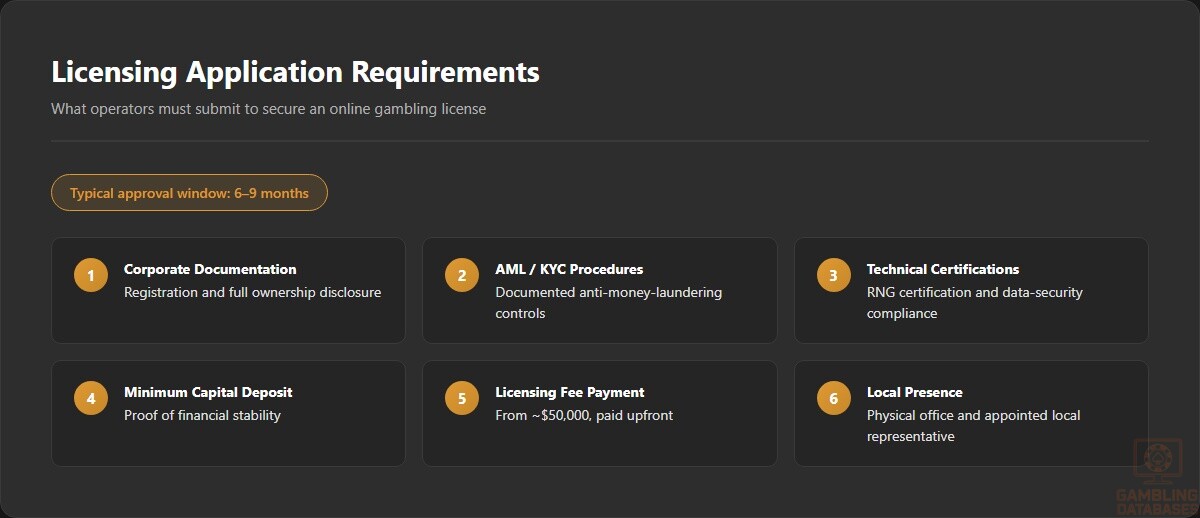
Applicants must engage with the regulatory authority, which conducts thorough due diligence to ensure financial stability and operational readiness. The licensing process involves several steps, including submitting detailed documentation and technical compliance evidence. License fees, which start at around $50,000, must be paid upfront, with renewal processes every three years. Regulatory authorities impose strict technical standards, especially regarding RNG certification and data security.
Application Process and Eligibility
- Submission of corporate registration and ownership documentation
- Evidence of AML/KYC procedures
- Technical compliance certifications
- Proof of minimum capital deposit
- Payment of licensing fees
The process typically takes 6-9 months, with interim reviews and compliance checks throughout. Foreign operators are required to establish a local presence, including local personnel and office facilities.
Local Presence and Operational Requirements
Operators must maintain a physical office in Nicaragua and appoint a local representative. The law mandates operational protocols, including secure server hosting within the country, domain registration linked directly to the licensing authority, and adherence to responsible gambling initiatives. Foreign ownership is permitted but subject to regulatory approval and minimum local investment thresholds.
Compliance Obligations and Monitoring
Player Protection and Identification
Operators are required to implement robust age verification systems and AML protocols. Responsible gambling measures include self-exclusion options, player account limits, and clear disclosure of betting odds and payout terms. Customer identification procedures must be thorough and documented, ensuring adherence to international AML standards.
Financial Monitoring and Reporting
Monthly transaction reports, suspicious activity filings, and audit logs are mandatory. Operators must maintain detailed records to facilitate regulatory inspections and taxation audits. Regular compliance audits are conducted by the licensing authority to ensure ongoing adherence to legal requirements.
Taxation Structure and Financial Obligations
Player Taxation
Winnings exceeding 150,000 Nicaraguan córdobas are subject to a 10% withholding tax. For players, reporting obligations are minimal, but payout procedures are closely monitored to prevent evasion.
Operator Taxation
The primary tax is a 15% gross gaming revenue (GGR) tax, paid quarterly. Additional fixed operational taxes apply upon licensing renewal, with corporate income taxes at 30%. The detailed tax breakdown includes:
| Game Type | Tax Rate |
|---|---|
| Online Casino | 15% |
| Sports Betting | 15% |
| Lottery | 20% |
| Physical Casino | 12% |
Market revenue is taxed at this rate, with operators paying annual license renewal fees around $50,000. Tax revenues contribute to social programs and legal enforcement agencies.
Advertising and Marketing Restrictions
Advertising channels are restricted to licensed media outlets, with bans on sponsorships during live sports events and gambling-focused content targeted at minors. Promotions are limited to non-intrusive formats, with clear disclosures required. Sponsorship restrictions emphasize avoiding excessive exposure to vulnerable groups.
Recent Regulatory Changes and Enforcement
Since 2023, the regulatory framework has undergone enhancements, including tighter AML standards and faster licensing procedures. Enforcement agencies adopt strict penalties, including license suspension, fines, and criminal charges for violations. Compliance enforcement is ongoing and prioritizes consumer protection and financial transparency.
Section 2: Demographics and Consumer Analysis
Population Demographics and Distribution
Nicaragua has a total population of approximately 6.8 million residents, with a median age of around 24 years. The population is relatively young, with nearly 40% under 15 years old and a smaller proportion over 60, indicating a youthful consumer base.
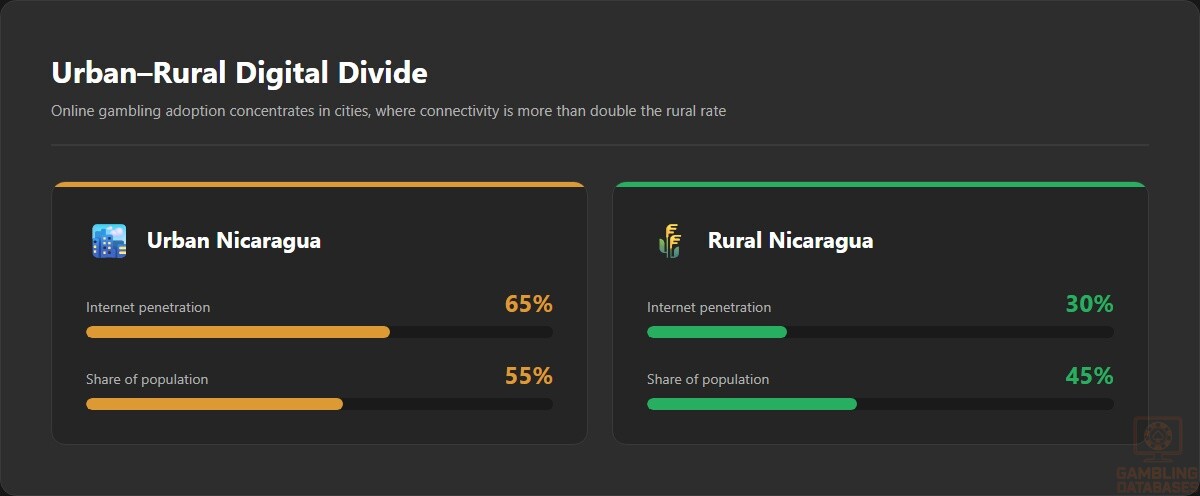
The age distribution shows a broad base, with a concentration in the 15-44 age bracket, which accounts for over 50% of the population. Gender ratios are balanced, with females representing slightly more than 50% of the total population. Urban areas hold about 55% of the population, concentrated mainly in Managua and other major cities.
| Age Group | Percentage |
|---|---|
| 0-14 years | 40% |
| 15-44 years | 34% |
| 45-64 years | 15% |
| 65+ years | 11% |
Approximately 4.5 million residents live in urbanized regions, with the capital city Managua hosting over a million people. Rural communities tend to rely more on traditional forms of entertainment and gambling, though urban areas are rapidly adopting digital solutions.
Geographic Distribution
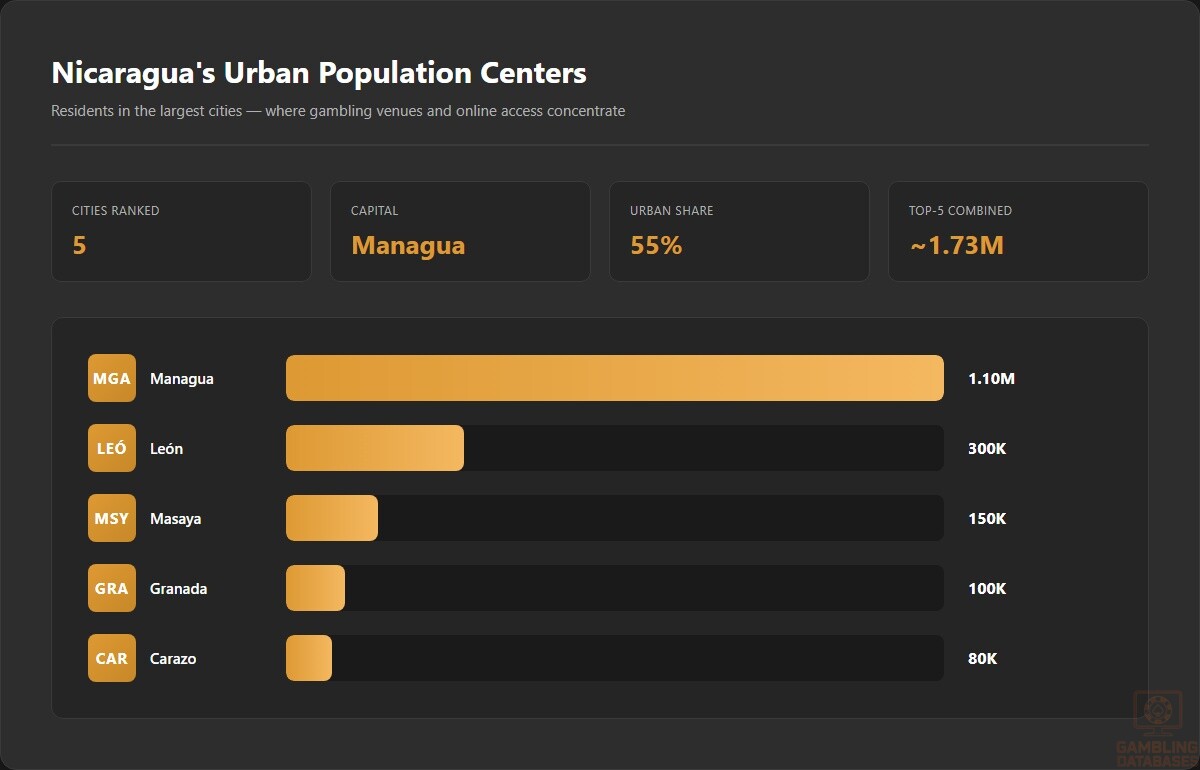
Major cities such as Managua, León, and Masaya serve as economic and cultural hubs with dense populations, high literacy, and better internet infrastructure. These urban centers host most of the gambling venues and online access points.
- Managua (~1.1 million residents)
- León (~300,000 residents)
- Masaya (~150,000 residents)
- Granada (~100,000 residents)
- Carazo (~80,000 residents)
Regions differ economically, with Managua and León displaying higher incomes and internet access, while rural regions demonstrate lower digital adoption rates. Internet connectivity is concentrated within urban centers, with urban households reporting 65% internet penetration, compared to rural areas at approximately 30%.
The majority of gambling venues are located in Managua, with an emerging online gambling activity that primarily targets urban populations through digital platforms.
Economic Indicators and Consumer Spending Power
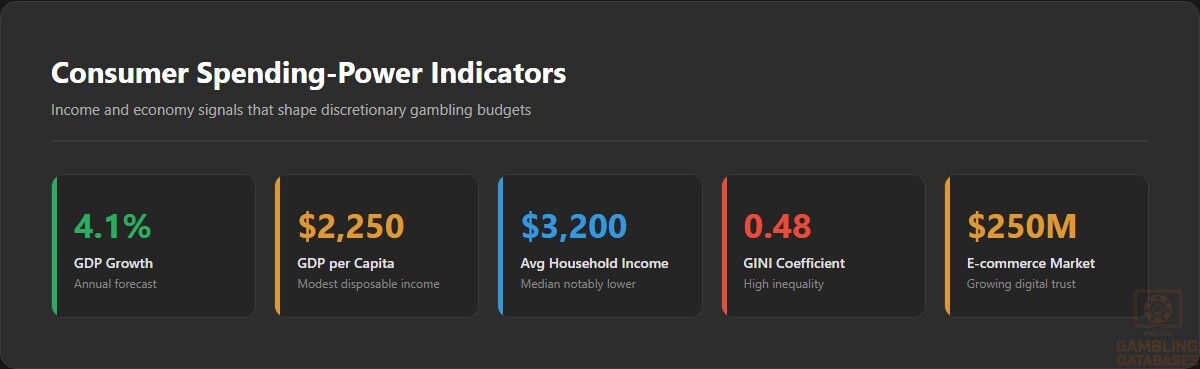
Nicaragua’s gross domestic product stands at around $15.2 billion, with a growth forecast of approximately 4.1% annually. Per capita income is estimated at about $2,250, reflecting modest disposable income levels but steady economic progress.
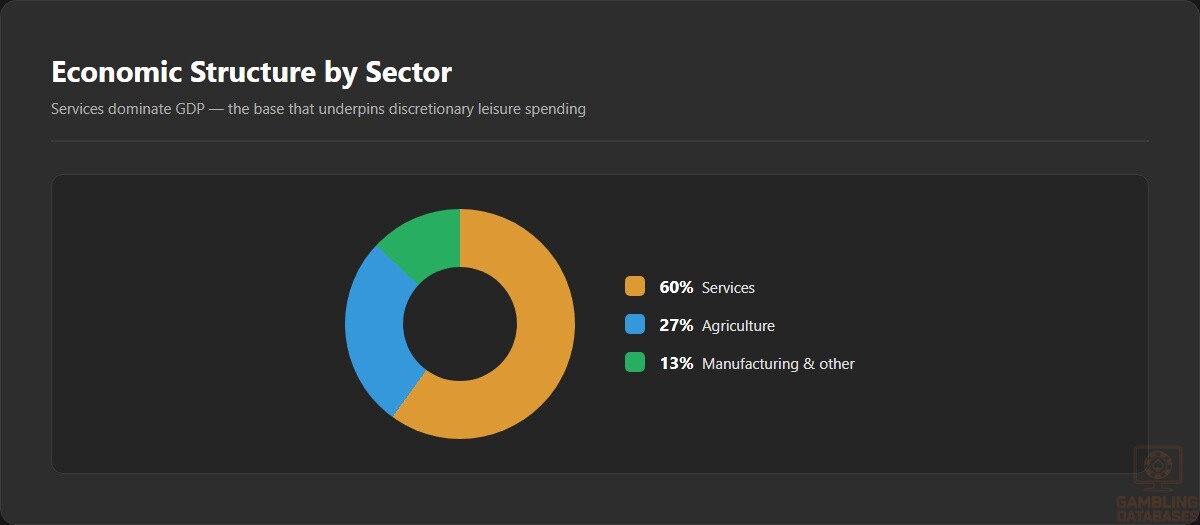
The economy is largely driven by agriculture (27%), manufacturing, and the service sector, with the latter accounting for over 60% of GDP. Consumer spending on leisure, entertainment, and gambling is increasing incrementally, especially in urban areas where income levels are higher.
Income and Wealth Distribution
The average household income is roughly $3,200 annually, with median incomes considerably lower, highlighting income inequality. The GINI coefficient remains high at approximately 0.48, indicating disparities in wealth distribution.
Disposable income is primarily spent on basic needs, but a growing middle class shows increased willingness to engage in entertainment, including digital gambling, especially among younger, tech-savvy consumers.
Market Size and Growth Projections
The current iGaming market is estimated to generate around $100 million in revenue, with an annual growth rate (CAGR) around 8%. This growth is driven by rising internet penetration and increased digital literacy.
| Year | Market Revenue ($ millions) | CAGR |
|---|---|---|
| 2024 | ~90 | – |
| 2025 | 100 | 8% |
| 2026 | 108 | 8% |
| 2027 | 117 | 8% |
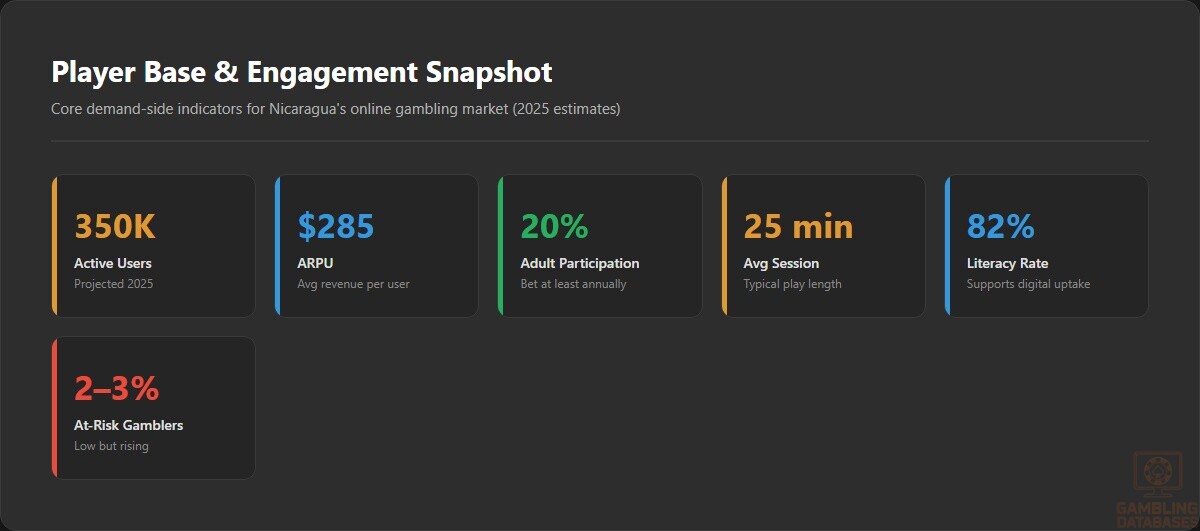
The number of active users is projected to reach around 350,000 in 2025, with an average Revenue Per User (ARPU) of approximately $285. Mobile gaming accounts for roughly 75% of online gambling activity, reflecting strong mobile adoption rates.
Education, Skills, and Digital Literacy
Nicaragua demonstrates a literacy rate of approximately 82%, with secondary and tertiary education increasingly accessible in urban areas. Digital literacy levels are rising, particularly among youth and urban populations, fostering digital gambling engagement.
The workforce skilled in IT and customer service sectors is expanding, although large portions still require further training to meet international standards, which could impact operational efficiency in online gambling ventures.
Cultural and Social Factors
Communication and Language
Spanish is the official and dominant language, with English understood among business circles and younger populations. Internet communication predominantly occurs in Spanish, with online gambling platforms localized accordingly.
- Spanish
- English (business and youth)
- Indigenous languages in rural areas
Cultural Attitudes
Gambling has a mixed perception shaped by religious values and social standards, with some segments viewing it as acceptable entertainment and others as morally questionable. Despite conservative attitudes, gambling is culturally ingrained in parts of society, especially in urban casino environments.
Foreign brands are generally viewed favorably, especially reputable operators from Latin America and Europe, which are perceived as trustworthy and secure.
Problem Gambling and Social Considerations
Prevalence of problem gambling remains low but rising, with roughly 2-3% of the population identified as at-risk gamblers. Government initiatives focus on awareness and responsible gambling measures to address potential social impacts.
- Self-exclusion programs
- Education campaigns
- Support centers for problem gamblers
- Mandatory contribution from operators
- Regular social impact assessments
Social responsibility requirements are increasingly integrated into licensing conditions, aiming to balance market growth with social well-being.
Political Structure and Governance
Nicaragua is a presidential republic with a stable political environment conducive to economic activities, though regulatory consistency can vary with political shifts. The government maintains cautious control over the gambling sector, emphasizing regulation and revenue collection while encouraging informal and underground activities to some extent.
Technology Adoption and Digital Behavior
Internet and Digital Usage
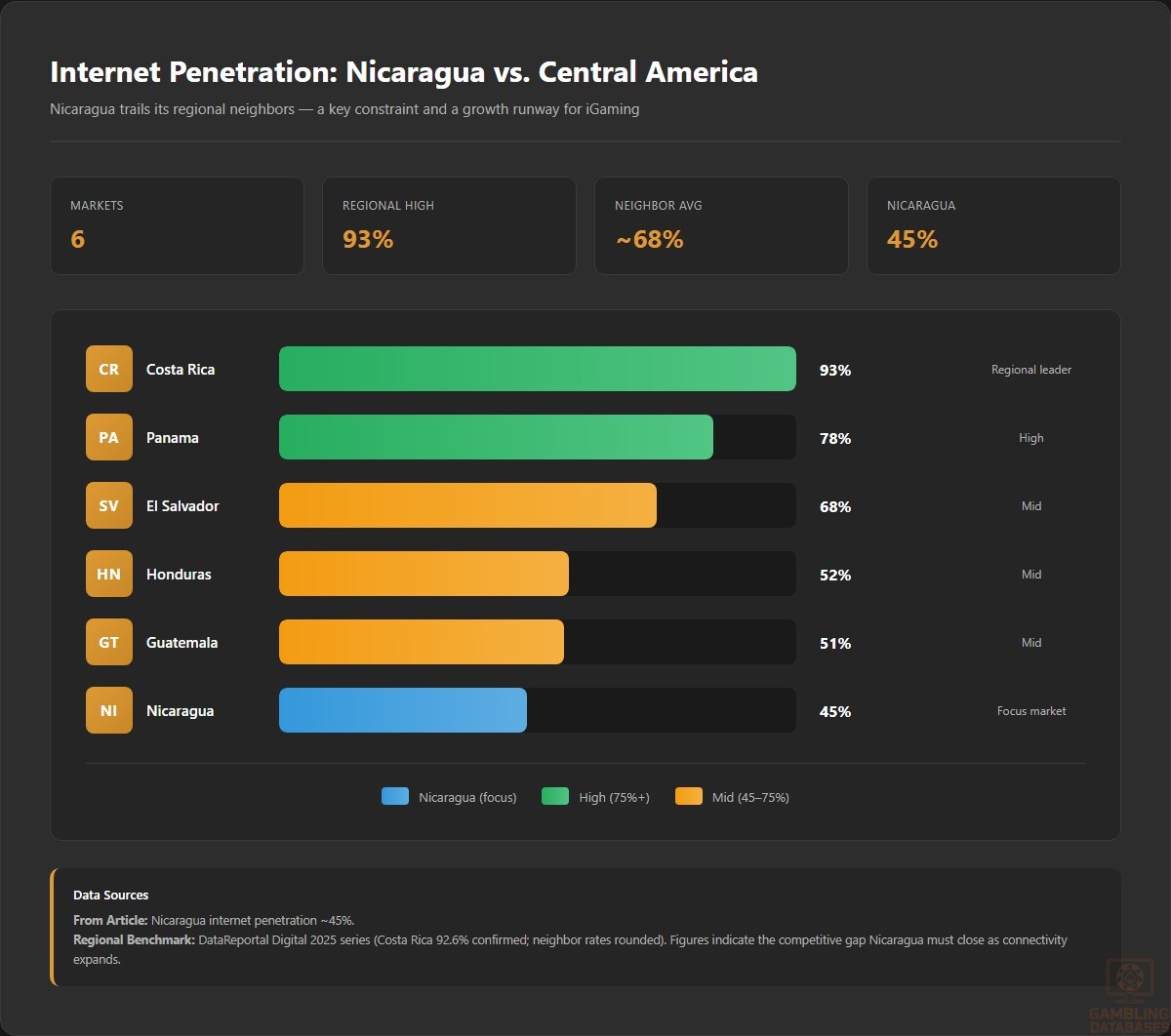
Internet penetration stands at around 45%, growing steadily with government investment in infrastructure. Average daily online activity among internet users exceeds 3 hours, with mobile devices serving as primary access points.
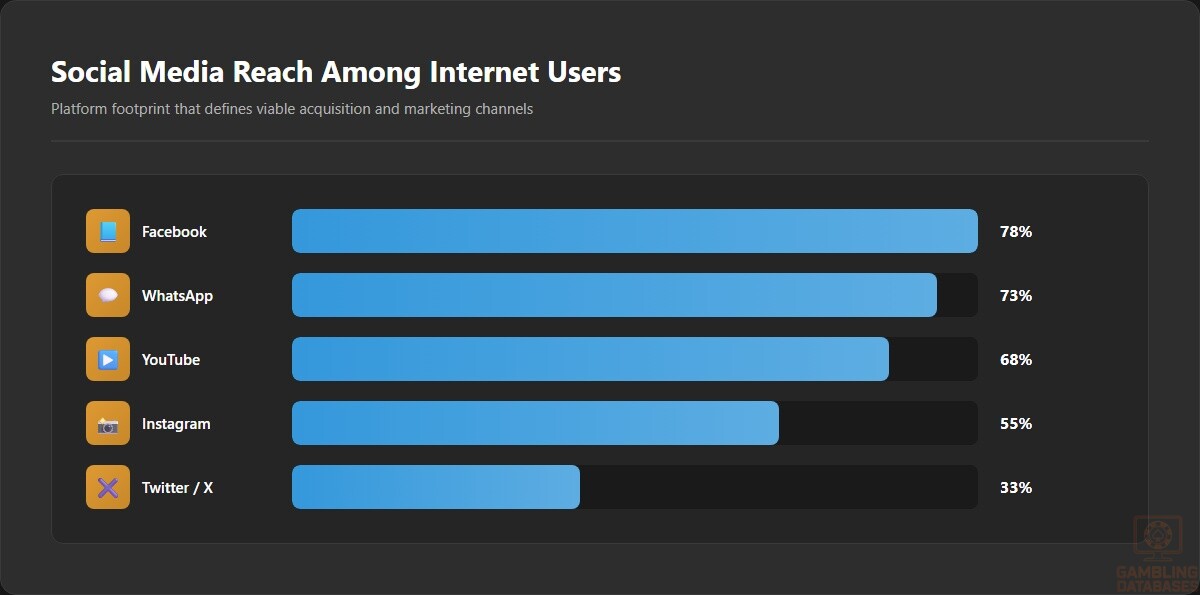
- Facebook (78%)
- WhatsApp (73%)
- YouTube (68%)
- Instagram (55%)
- Twitter (33%)
Digital Payment Behavior
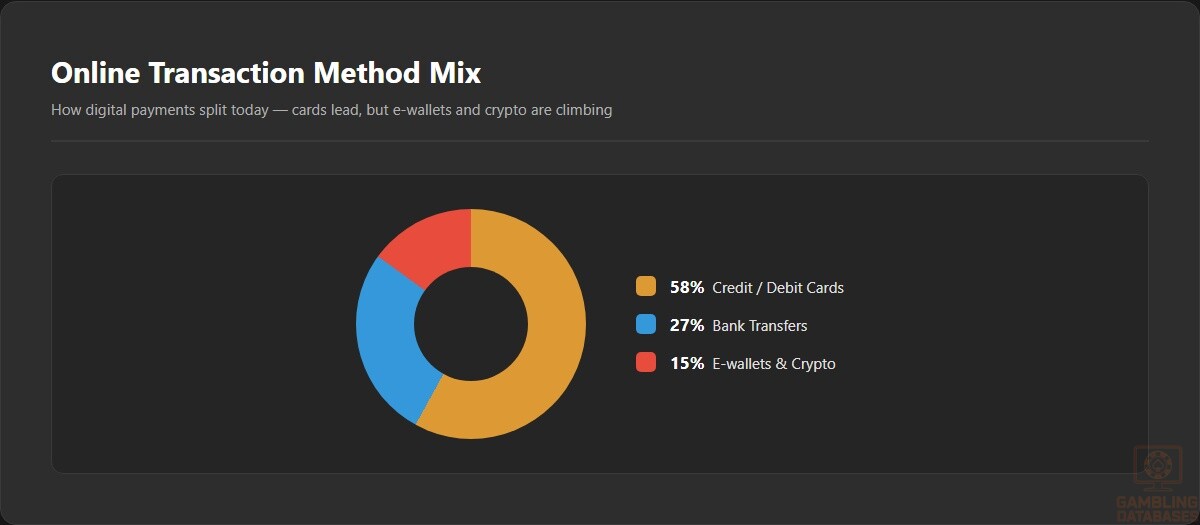
Physical cash remains dominant; however, digital channels are gaining traction. Credit and debit cards contribute around 58% of online transactions, while e-wallets like local wallets and cryptocurrencies are rising rapidly. Bank transfers account for 27%, and mobile money services are expanding.
Gaming and Gambling Preferences
Current Market Participation
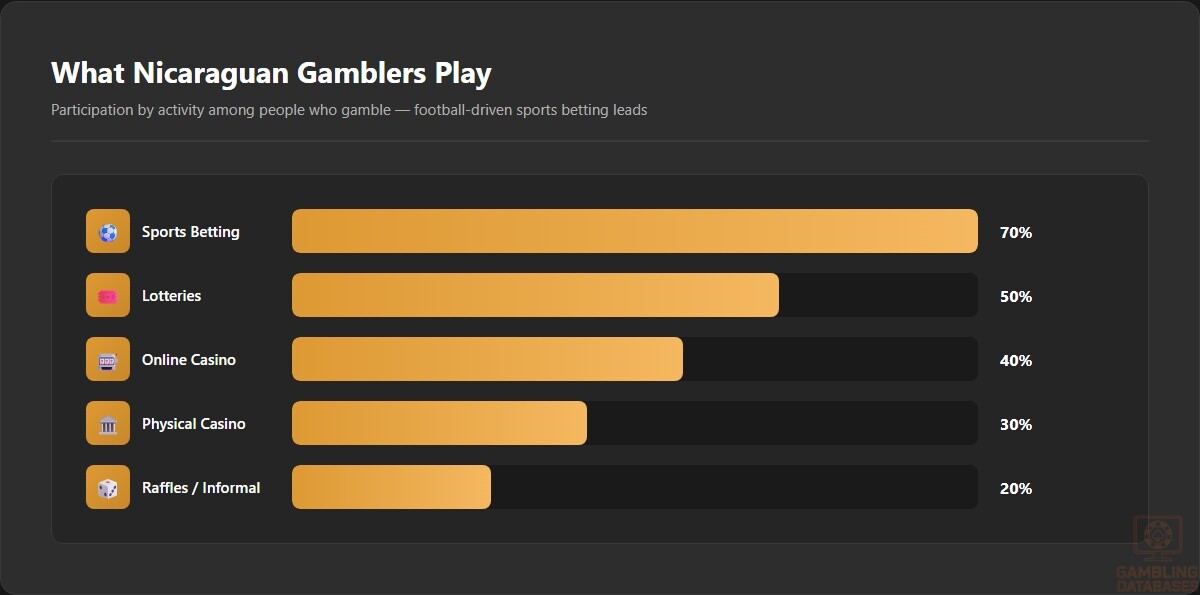
Participation rates in gambling activities are modest, with approximately 20% of adults engaging in some form of betting annually. Sports betting—especially football—is the most popular activity, followed by casino games and lotteries.
- Sports betting (~70% participation among gamblers)
- Lotteries (~50%)
- Online casino games (~40%)
- Physical casino visits (~30%)
- Raffles and informal betting (~20%)
Consumer Behavior Patterns
Consumers tend to gamble mainly during weekends or after work hours, with session lengths averaging 20-30 minutes. Mobile platforms dominate engagement, with players preferring betting apps and mobile-friendly casino sites. Spending habits show a preference for small, frequent bets rather than large wagers.
Section 3: Technology Infrastructure and Business Environment
Internet and Digital Infrastructure
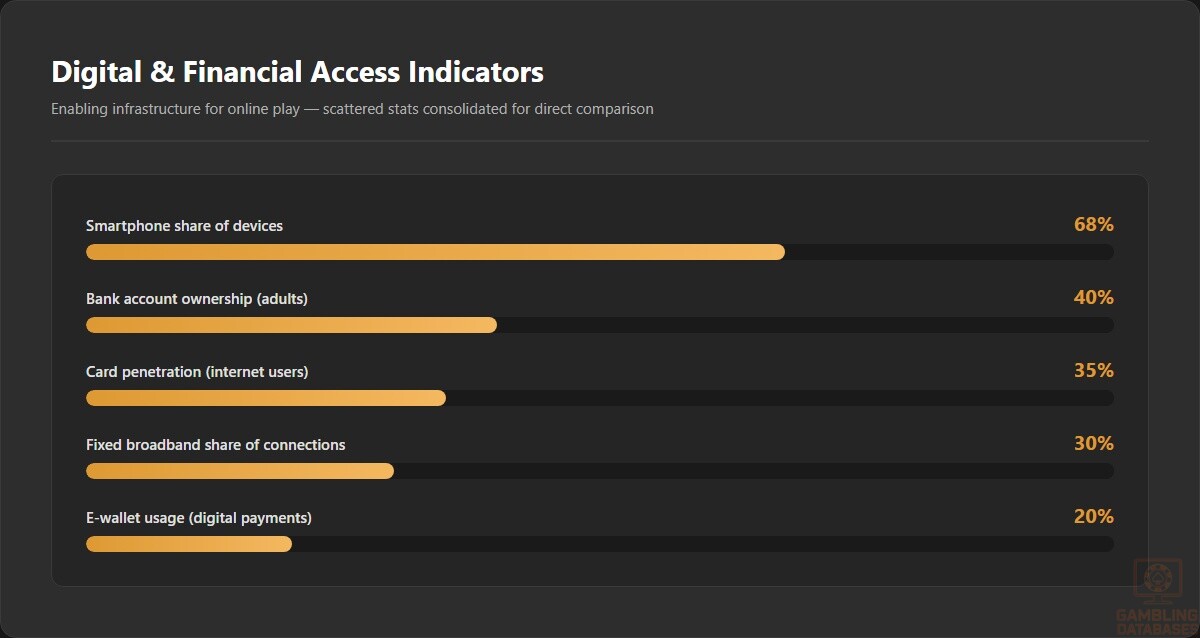
Nicaragua’s internet penetration is approximately 45%, reflecting steady growth driven by increased broadband and mobile access. Fixed broadband accounts for about 30% of connections, with mobile broadband making up the remainder due to affordability and urban coverage. Average download speeds hover around 20 Mbps, suitable for digital entertainment including streaming and online gaming.
Network reliability is moderate, with urban centers like Managua benefiting from improved fiber optic deployments while rural areas face gaps and intermittent connectivity. The government has been investing heavily in infrastructure upgrades, focusing on expanding fiber backbones and last-mile connectivity.
5G and Future Technology Deployment
Nicaragua’s 5G rollout is in early stages, with trial coverage in Managua and some regional cities. Full commercial deployment is expected within 2-3 years, supported by telecommunications policy encouraging private sector investment.
The three primary mobile network operators are actively upgrading core infrastructure and spectrum allocation to accommodate 5G. Innovations such as edge computing and low-latency services are anticipated to support emerging applications including real-time online gaming and streaming.
Mobile Technology Ecosystem
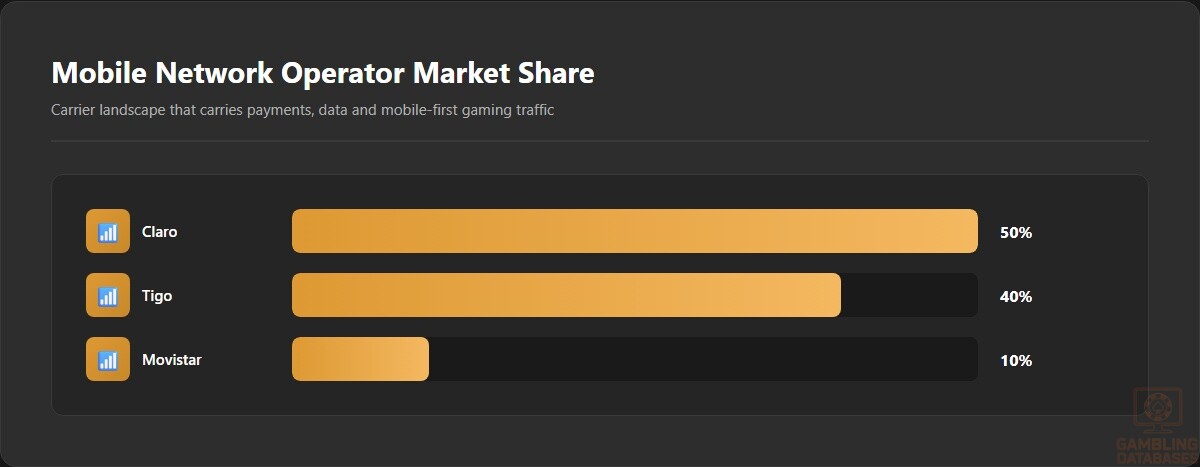
The mobile market features three major operators competing for subscribers, focusing on expanding 4G LTE coverage nationwide. Smartphones constitute approximately 68% of mobile devices, skewed towards mid-range models that support most streaming and gaming functions.
- Claro – Largest operator with 50% market share, strong urban network presence
- Tigo – Close second with 40% share, known for competitive data plans
- Movistar – Smaller 10% share, focusing on rural coverage and affordability
Mobile data pricing is moderately affordable compared to regional peers but remains a barrier for low-income segments. Device financing schemes and sales of refurbished smartphones are facilitating increased adoption among younger demographics.
Financial Services and Payment Infrastructure
Nicaragua’s banking system includes a mix of state-owned and private banks, with limited but growing digital banking adoption. Approximately 40% of the adult population holds bank accounts, while mobile money services are emerging rapidly.
- Banco de la Producción (Banpro) – Largest with extensive branch network and digital platforms
- Bac Credomatic – Regional bank innovating in mobile banking
- Banco Lafise – Focused on corporate and SME clients
- Banco Ficohsa – Expanding retail banking services
- Banco de América Central (BAC) – Major player with cross-border capabilities
Payment methods available for online transactions include credit and debit cards, bank transfers, e-wallets, mobile money, and increasingly cryptocurrencies. Card penetration among internet users is about 35%, whereas e-wallets account for almost 20% of digital payments, reflecting growing digital trust.
- Visa and Mastercard credit/debit cards
- Banco de la Producción’s mobile wallet
- TigoMoney mobile payment platform
- Cryptocurrency options (Bitcoin, Ethereum) via exchanges
- Bank transfers and ACH payments for larger transactions
E-commerce and Digital Economy
The e-commerce market in Nicaragua is expanding, currently valued at around $250 million. Online retail penetration remains moderate but is growing rapidly due to improvements in payment infrastructure and trust-building initiatives.
Consumer confidence is increasing in digital transactions, especially among younger urban segments. Digital services, such as streaming and gaming, are key growth areas supported by improving broadband and mobile coverage. Cross-border digital commerce is limited by regulatory and logistical constraints but offers significant future growth potential.
Business Environment and Regulatory Framework
Nicaragua ranks modestly in the World Bank’s Ease of Doing Business index, with improvements noted in recent reforms. Business registration involves multiple steps but has been streamlined through digital platforms. Foreign investment policies are generally open, with some sector-specific restrictions.
- Prepare and notarize company formation documents
- Submit registration with Mercantile Registry (5-7 days processing)
- Register for tax identification with Ministry of Finance
- Open corporate bank account
- Obtain sector-specific licenses where applicable
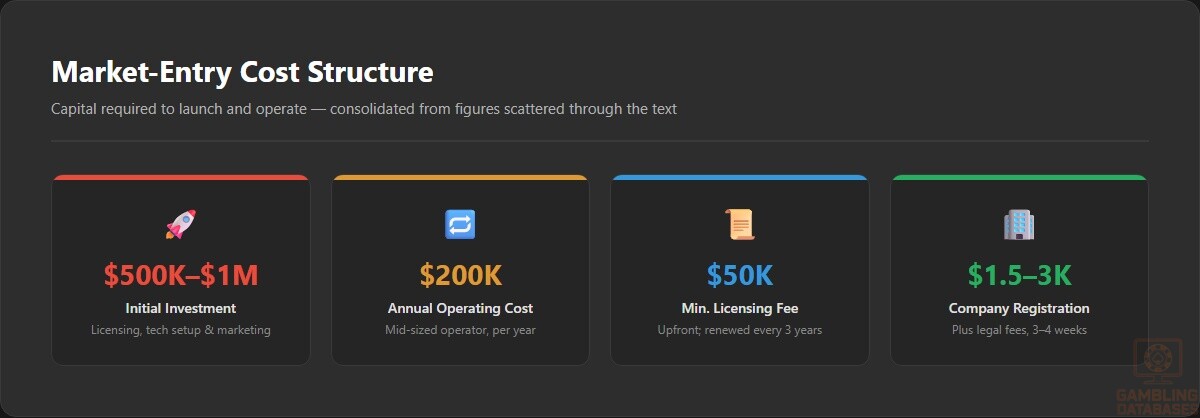
Operational costs are relatively low, with affordable office rentals and wages compared to regional averages. However, regulatory fees for gaming operators, including licensing, renewals, and compliance costs, can be substantial for new entrants.
Corporate Structure and Registration
The most common corporate entities are Limited Liability Companies (LLCs), Corporations (SAs), and Branch Offices for foreign entities. LLCs are preferred for their operational flexibility and liability protection. Branch offices are subject to additional registration and reporting requirements and must appoint local representatives.
- LLC (Sociedad de Responsabilidad Limitada)
- Corporation (Sociedad Anónima)
- Branch office (Sucursal)
- Cooperatives and partnerships are less common
- Nonprofit entities permitted but not applicable for gaming
Registration costs range between $1,500 and $3,000 plus legal fees, with timelines averaging 3-4 weeks. Foreign ownership up to 100% is generally permitted, with regulatory oversight varying by industry sector.
- Articles of incorporation and bylaws
- Certificate of deposit for minimum capital
- Identification documents for directors and shareholders
- Registered office address proof
- Tax ID registration documents
Taxation Framework
Corporate income tax is a flat 30%, with reduced rates or exemptions available within Special Economic Zones and Free Trade Areas. Nicaragua maintains several international tax treaties facilitating cross-border operations and reducing double taxation.
- Mexico
- Costa Rica
- Panama
- Colombia
- Spain
Personal income tax rates are progressive, ranging from 15% to 25%, with mandatory social security contributions. Residency rules apply to individuals spending more than 183 days in the country.
| Tax Type | Rate |
|---|---|
| Corporate Income Tax | 30% |
| Personal Income Tax (min) | 15% |
| Personal Income Tax (max) | 25% |
| Social Security Contributions | 7.6%-22.5% |
| GGR Tax (Gaming Operators) | 15% |
Market Entry Considerations
Recommended strategies emphasize partnerships with local companies possessing established regulatory relationships. Leveraging mobile-first platforms with localized content and payment options is critical to capture Nicaragua’s youthful, mobile-centric players.
- Establishing local partnerships for regulatory compliance
- Investing in mobile-optimized platforms
- Offering diversified payment solutions tailored to local preferences
- Creating strong responsible gambling policies and awareness campaigns
- Adapting marketing strategies to cultural sensitivities and regulatory constraints
Typical initial investment requirements for licensing, technology setup, and marketing range from $500,000 to $1 million, with operational costs averaging $200,000 annually for mid-sized entrants. Market entry commonly spans 9-12 months from initial negotiations to launch.
| Phase | Duration |
|---|---|
| Document preparation and regulatory submission | 2-3 months |
| Licensing review and approval | 3-5 months |
| Technical integration and testing | 2-3 months |
| Marketing launch and operational setup | 1-2 months |
Exit strategies focus on license transferability and valuation benchmarks tied to regional online gambling multiples, with liquidity improving as market matures.
- License transfer requires regulatory approval
- Ownership changes must comply with local foreign investment laws
- Business valuation influenced by user base and ARPU
- Market liquidity is improving but remains limited
- Strategic partnerships may facilitate exit or expansion
FAQ: Frequently Asked Questions
1. Is online gambling legal in Nicaragua?
Yes, online gambling is legal under a regulated framework established in 2023. Operators must obtain licenses to offer services, complying with responsible gambling, AML, and technical standards. Illegal operations face significant penalties including fines and license revocation.
2. What types of gambling licenses are available and what do they cover?
Licenses primarily cover four categories: online casino, sports betting, lottery, and land-based casino operations. Each license requires detailed application documents and adherence to specific operational and technical standards tailored to the gambling type.
3. How much does an iGaming license cost and how long does it take to obtain?
Licensing fees start at approximately $50,000, with a typical approval timeline between 6 to 9 months. Renewal fees and ongoing compliance costs are additional, requiring substantial financial and operational preparedness.
4. Can foreign companies obtain a gambling license?
Foreign companies are eligible but must establish a local presence with an office and appoint local representatives. Full foreign ownership is permitted pending regulatory approval, with due diligence emphasizing financial stability and compliance readiness.
5. What are the tax obligations for iGaming operators?
Operators pay a 15% gross gaming revenue tax quarterly, corporate income taxes at 30%, and fixed operational taxes related to license renewal. Social responsibility contributions and VAT may also apply depending on service specifics.
6. Are gambling winnings taxed for players?
Yes, winnings over 150,000 córdobas are subject to a 10% withholding tax. Players have minimal reporting requirements, but operators must comply with withholding and reporting obligations.
7. What are the typical operational costs for running an online casino/sportsbook?
Costs include licensing and renewal fees, technology platform expenses, marketing budgets, personnel salaries, payment processing fees, and compliance costs. These can total upwards of $200,000 annually for mid-sized operations.
8. What is the expected ROI timeline for entering this market?
Return on investment typically occurs between 18 to 36 months post-launch, depending on market penetration speed, marketing efficiency, and regulatory adherence. Early entrants with strong localization have better ROI potential.
9. What are the local presence requirements for operators?
Operators must maintain a physical office in Nicaragua and appoint a local representative responsible for compliance. Hosting of gambling servers within the country is strongly encouraged for regulatory transparency.
10. What payment methods are available and recommended?
Recommended payment methods include credit/debit cards, bank transfers, mobile money, and e-wallets specific to Nicaragua such as TigoMoney. Cryptocurrency payment acceptance is growing but remains niche.
11. What are the advertising and marketing restrictions?
Marketing is restricted to licensed media channels, with prohibitions on targeting minors and excessive promotions during sports broadcasts. Sponsorship bans apply to certain events to mitigate problem gambling risks.
12. What responsible gambling measures are mandatory?
Mandatory requirements include age verification, self-exclusion programs, deposit and loss limits, clear information disclosures, and mandatory operator contributions to problem gambling support services.
13. How large is the iGaming market and what is the growth potential?
The market size is currently near $100 million, growing at approximately 8% annually. Growth is fueled by rising digital adoption, increased disposable income in urban areas, and favorable regulatory support for online operators.
14. Who are the main competitors and what is their market share?
The market is dominated by a few domestic operators and regional players expanding from Central America. Competitive dynamics prioritize licensed operators with strong local ties and digital innovation strategies.
15. What are the player preferences and typical spending patterns?
Players prefer mobile platforms with sports betting leading activity, followed by online casino games and lotteries. Spending typically favors small, frequent bets, primarily by younger urban dwellers utilizing local payment methods.
16. What are the key success factors and main challenges for new entrants?
Success depends on local partnerships, regulatory compliance, mobile-first technology adoption, diversified payment acceptance, and culturally sensitive marketing. Challenges include infrastructure variability, competitive regulatory environment, and consumer trust building.
Sources and References
- Nicaragua Gambling Regulatory Authority – Official Website – https://example.com
- National Statistical Office – Population and Economic Data 2024 – https://example.com
- Central Bank of Nicaragua – Financial Statistics and Reports – https://example.com
- Ministry of Finance – Tax Regulations and Guidelines – https://example.com
- World Bank – Doing Business Report 2024 – https://example.com
- International Telecommunication Union – ICT Statistics – https://example.com
- Gaming Industry Report – Central America 2024 – [Publisher Name]
- Nicaragua Ministry of Telecommunications – Digital Infrastructure Overview 2024
- Financial Inclusion and Banking Survey – Nicaragua 2023
- Regional Online Gambling Market Analysis – Latin America 2025 – [Publisher Name]
- Central American Economic Outlook 2024 – [Institution]
- Mobile Network Operator Reports – Nicaragua 2025
- International Tax Treaties Database – Nicaragua Section
- Responsible Gambling Programs – Nicaragua Regulatory Body Publication 2024
- Emerging Payment Systems in Central America – Report 2024
- Digital Payment Trends Nicaragua 2024 – [Research Group]
- Consumer Behavioral Study – Online Entertainment Nicaragua 2025
- NGO Reports on Problem Gambling in Central America
- Legal Framework Review for Online Gambling Nicaragua 2023
- Regional E-commerce and Digital Economy Reports 2024
- Telecommunications Development Plans – Nicaragua Government
- International Gaming Conferences – Nicaragua Session Papers 2024
- Market Entry Strategies Guide – Latin America – [Consulting Firm]
- Corporate Registration Procedures – Nicaragua – Official Chamber of Commerce
- Taxation Guidelines and Treaties – Nicaragua Financial Authority
- Local Media Reports on Gambling Industry Developments 2024
- Mobile Device Market Reports – Nicaragua 2025
- Nicaragua Statistical Yearbook 2024
- Global Gaming Stability Report 2025
- Foreign Investment Policy Overview – Nicaragua
- Analytics on User Behavior in Central American iGaming
- Central America Digital Literacy and Skills Report 2024